
利用肿瘤坏死因子α实现有效的癌症免疫治疗。
Harnessing Tumor Necrosis Factor Alpha to Achieve Effective Cancer Immunotherapy.
作者信息
Mercogliano María Florencia, Bruni Sofía, Mauro Florencia, Elizalde Patricia Virginia, Schillaci Roxana
机构信息
Laboratorio de Biofisicoquímica de Proteínas, Instituto de Química Biológica de la Facultad de Ciencias Exactas y Naturales-Consejo Nacional de Investigaciones Científicas y Técnicas (IQUIBICEN-CONICET), Buenos Aires 1428, Argentina.
Laboratory of Molecular Mechanisms of Carcinogenesis, Instituto de Biología y Medicina Experimental (IBYME-CONICET), Buenos Aires 1428, Argentina.
出版信息
Cancers (Basel). 2021 Feb 2;13(3):564. doi: 10.3390/cancers13030564.
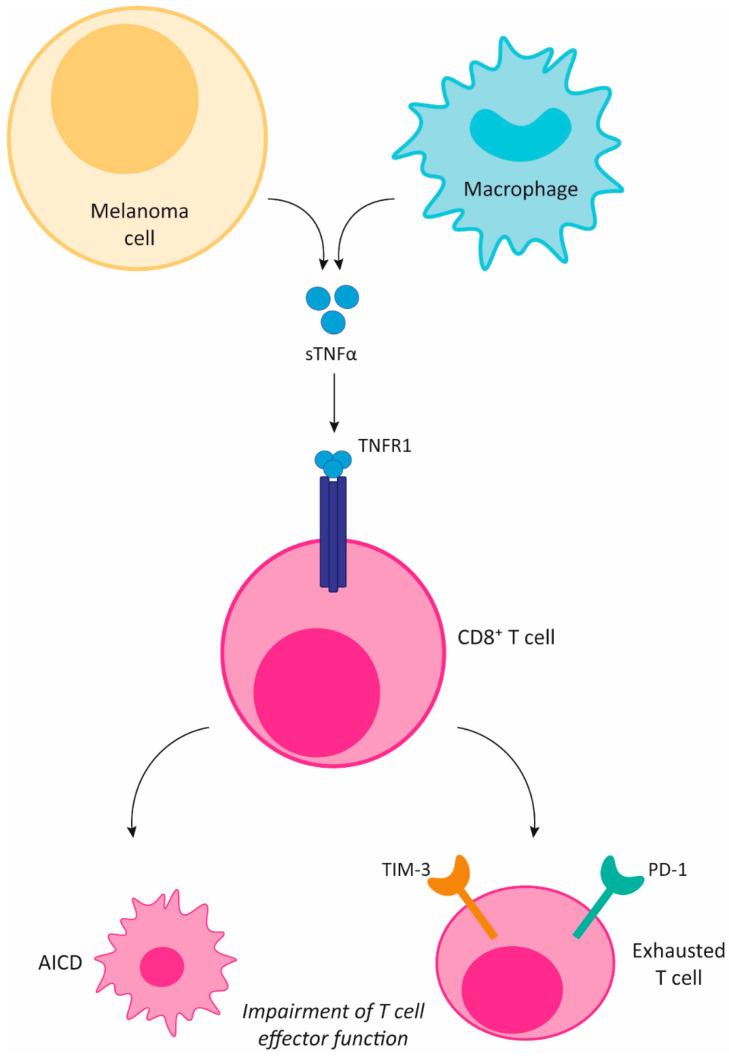
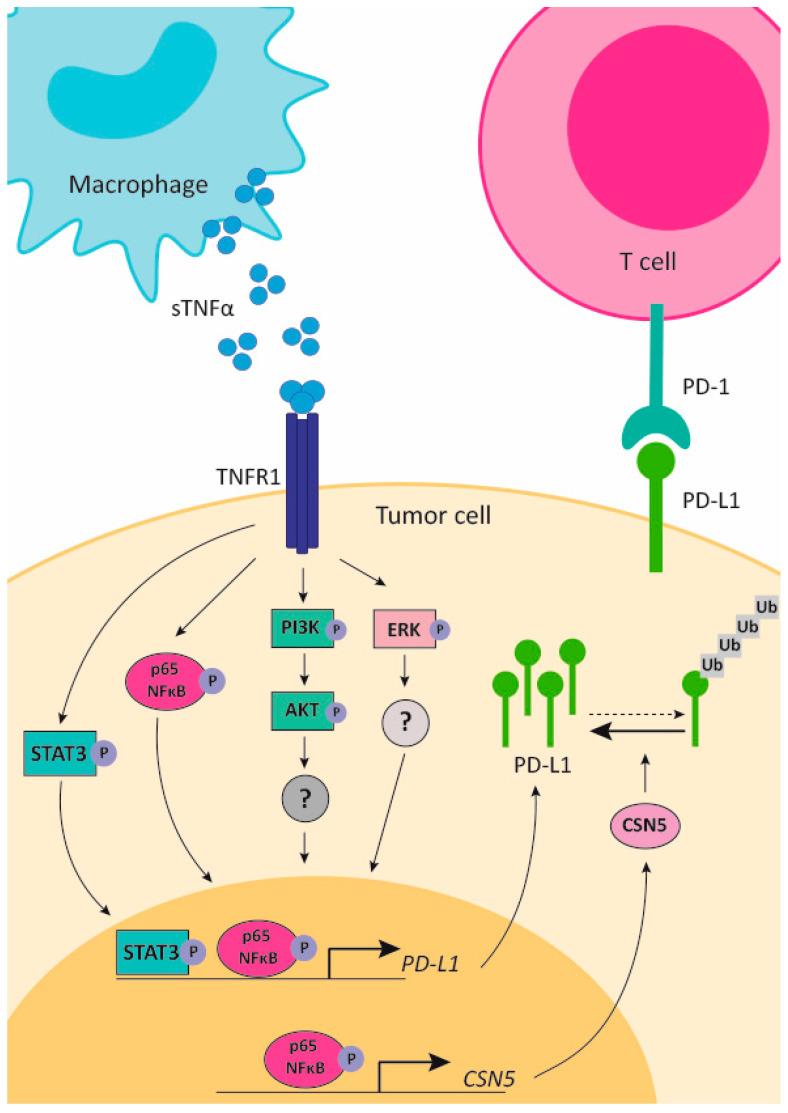
Tumor necrosis factor alpha (TNFα) is a pleiotropic cytokine known to have contradictory roles in oncoimmunology. Indeed, TNFα has a central role in the onset of the immune response, inducing both activation and the effector function of macrophages, dendritic cells, natural killer (NK) cells, and B and T lymphocytes. Within the tumor microenvironment, however, TNFα is one of the main mediators of cancer-related inflammation. It is involved in the recruitment and differentiation of immune suppressor cells, leading to evasion of tumor immune surveillance. These characteristics turn TNFα into an attractive target to overcome therapy resistance and tackle cancer. This review focuses on the diverse molecular mechanisms that place TNFα as a source of resistance to immunotherapy such as monoclonal antibodies against cancer cells or immune checkpoints and adoptive cell therapy. We also expose the benefits of TNFα blocking strategies in combination with immunotherapy to improve the antitumor effect and prevent or treat adverse immune-related effects.
肿瘤坏死因子α(TNFα)是一种多效性细胞因子,已知在肿瘤免疫学中具有矛盾的作用。事实上,TNFα在免疫反应的启动中起着核心作用,可诱导巨噬细胞、树突状细胞、自然杀伤(NK)细胞以及B和T淋巴细胞的激活和效应功能。然而,在肿瘤微环境中,TNFα是癌症相关炎症的主要介质之一。它参与免疫抑制细胞的募集和分化,导致肿瘤免疫监视的逃避。这些特性使TNFα成为克服治疗耐药性和治疗癌症的一个有吸引力的靶点。本综述重点关注多种分子机制,这些机制使TNFα成为免疫治疗耐药的一个来源,如针对癌细胞或免疫检查点的单克隆抗体以及过继性细胞治疗。我们还阐述了TNFα阻断策略与免疫治疗联合使用的益处,以提高抗肿瘤效果并预防或治疗不良免疫相关效应。
 Zotero 插件