
白细胞介素-33介导的嗜酸性粒细胞增多可预防急性肺损伤。
IL-33-mediated Eosinophilia Protects against Acute Lung Injury.
作者信息
Krishack Paulette A, Hollinger Maile K, Kuzel Timothy G, Decker Trevor S, Louviere Tyler J, Hrusch Cara L, Sperling Anne I, Verhoef Philip A
机构信息
Section of Pulmonary and Critical Care, Department of Medicine.
Committee on Immunology, and.
出版信息
Am J Respir Cell Mol Biol. 2021 May;64(5):569-578. doi: 10.1165/rcmb.2020-0166OC.
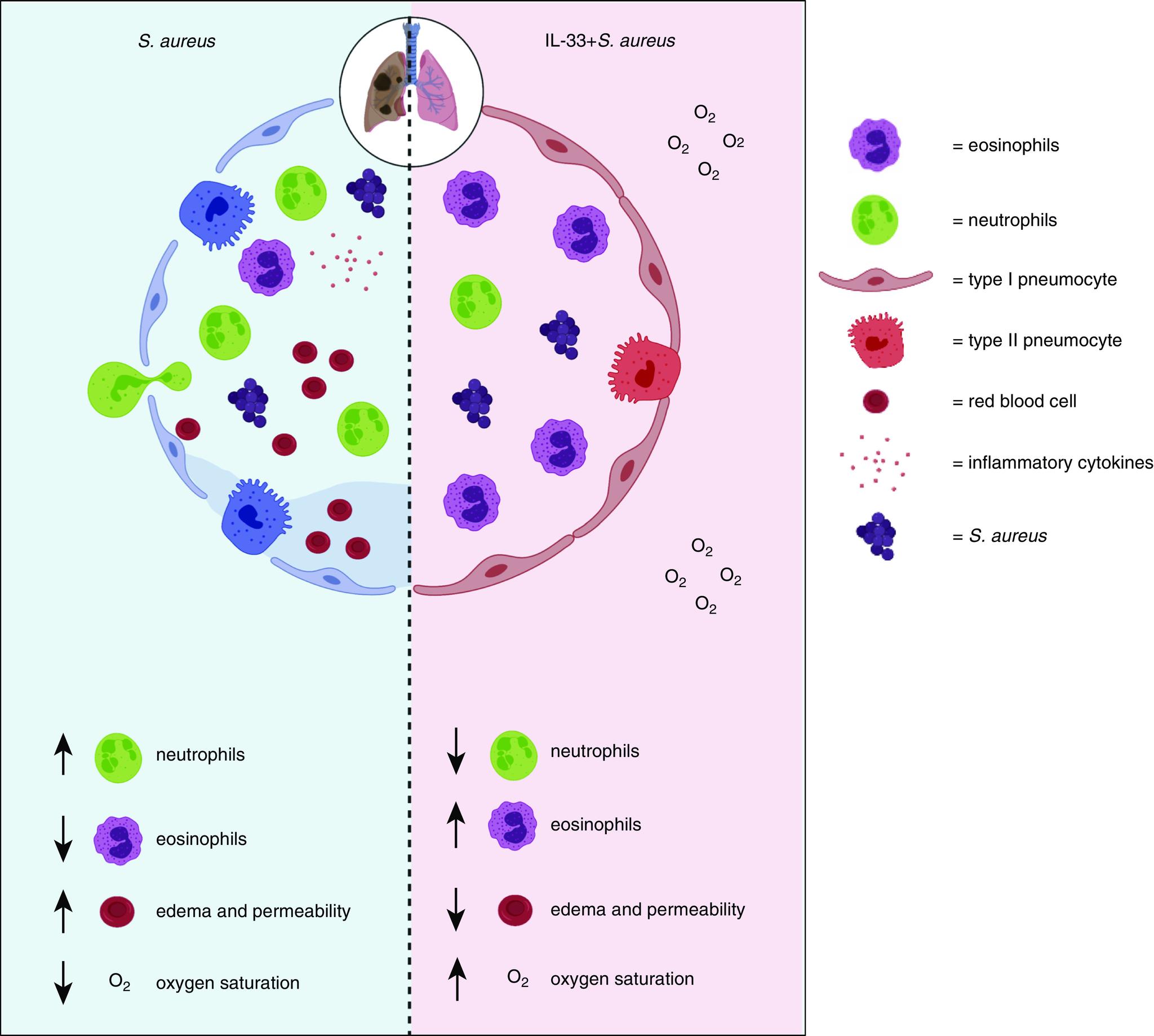
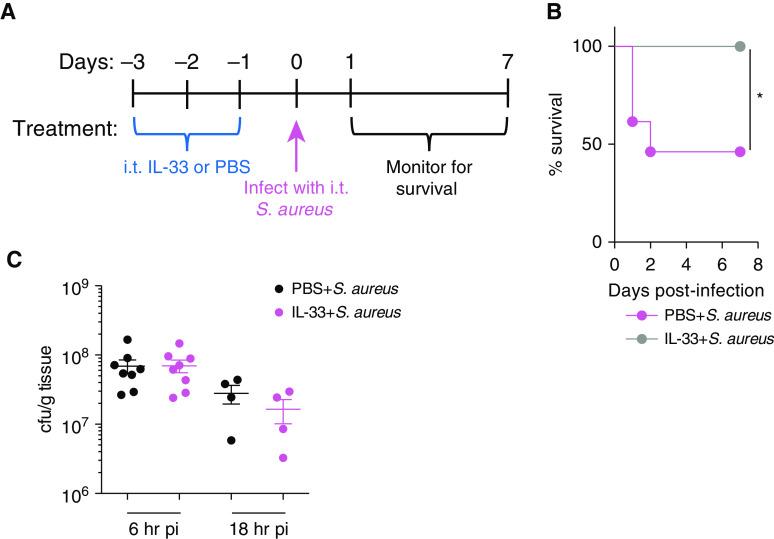
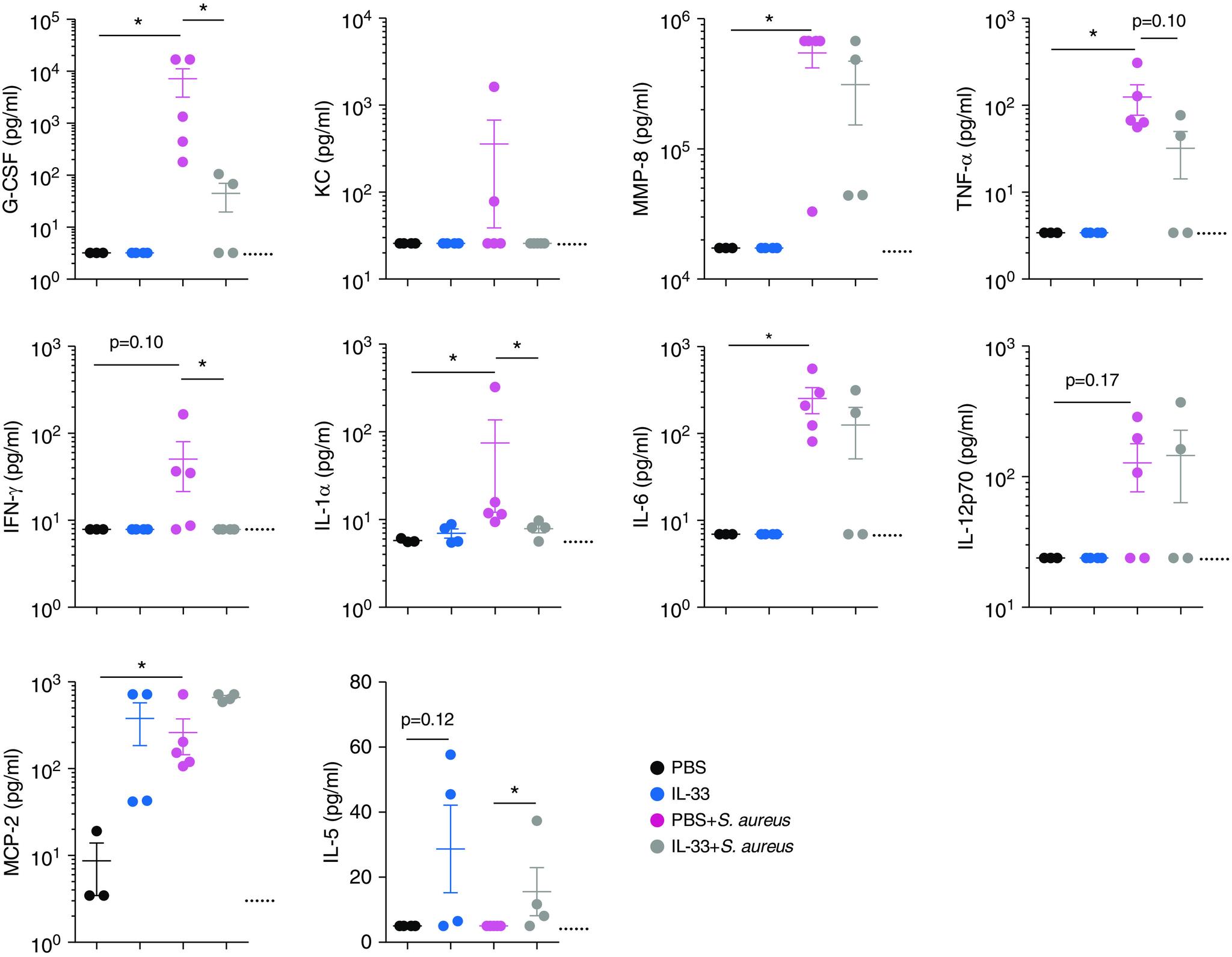
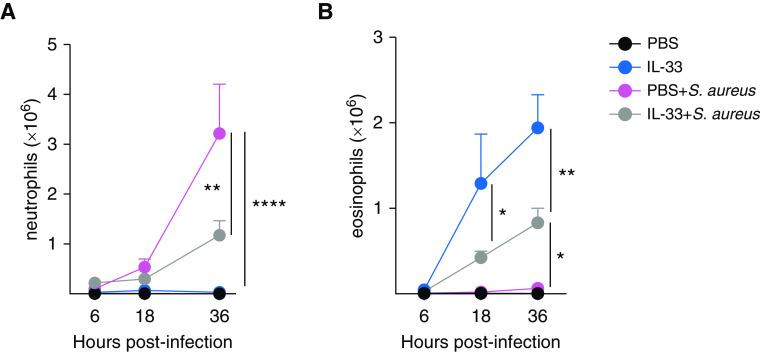
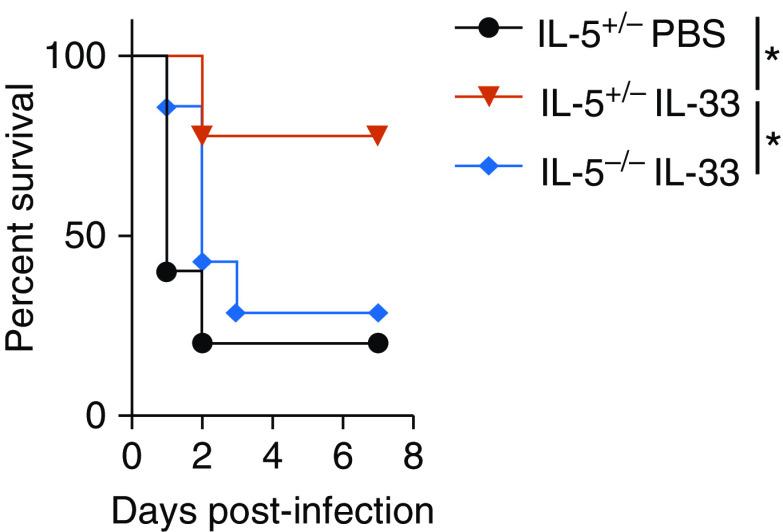
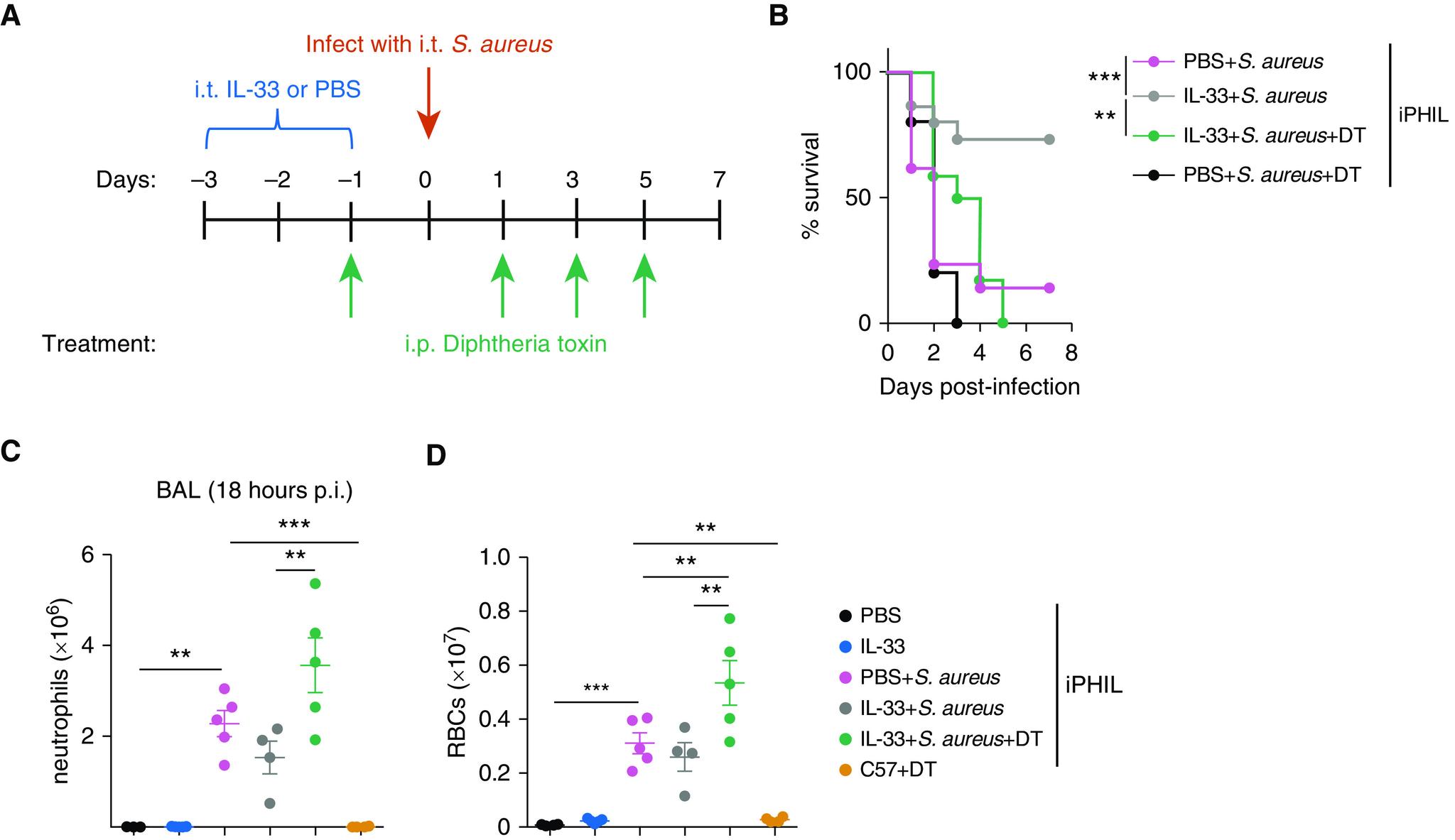
Pneumonia-induced lung injury and acute respiratory distress syndrome can develop because of an inappropriate inflammatory response to acute infections, leading to a compromised alveolar barrier. Recent work suggests that hospitalized patients with allergies/asthma are less likely to die of pulmonary infections and that there is a correlation between survival from acute respiratory distress syndrome and higher eosinophil counts; thus, we hypothesized that eosinophils associated with a type 2 immune response may protect against pneumonia-induced acute lung injury. To test this hypothesis, mice were treated with the type 2-initiating cytokine IL-33 intratracheally 3 days before induction of pneumonia with airway administration of a lethal dose of . Interestingly, IL-33 pretreatment promoted survival by inhibiting acute lung injury: amount of BAL fluid proinflammatory cytokines and pulmonary edema were both reduced, with an associated increase in oxygen saturation. Pulmonary neutrophilia was also reduced, whereas eosinophilia was strongly increased. This eosinophilia was key to protection; eosinophil reduction eliminated both IL-33-mediated protection against mortality and inhibition of neutrophilia and pulmonary edema. Together, these data reveal a novel role for eosinophils in protection against lung injury and suggest that modulation of pulmonary type 2 immunity may represent a novel therapeutic strategy.
肺炎诱导的肺损伤和急性呼吸窘迫综合征可能由于对急性感染的不适当炎症反应而发生,导致肺泡屏障受损。最近的研究表明,患有过敏/哮喘的住院患者死于肺部感染的可能性较小,并且急性呼吸窘迫综合征的存活与较高的嗜酸性粒细胞计数之间存在相关性;因此,我们假设与2型免疫反应相关的嗜酸性粒细胞可能预防肺炎诱导的急性肺损伤。为了验证这一假设,在用致死剂量的气道给药诱导肺炎前3天,对小鼠进行气管内给予2型起始细胞因子白细胞介素-33治疗。有趣的是,白细胞介素-33预处理通过抑制急性肺损伤促进了存活:支气管肺泡灌洗液促炎细胞因子的量和肺水肿均减少,同时氧饱和度增加。肺部嗜中性粒细胞增多也减少,而嗜酸性粒细胞增多显著增加。这种嗜酸性粒细胞增多是保护的关键;嗜酸性粒细胞减少消除了白细胞介素-33介导的对死亡率的保护以及对嗜中性粒细胞增多和肺水肿的抑制。总之,这些数据揭示了嗜酸性粒细胞在预防肺损伤中的新作用,并表明调节肺部2型免疫可能代表一种新的治疗策略。

 Zotero 插件