
自然杀伤细胞与抗癌疗法:对免疫功能和治疗反应的相互影响
Natural Killer Cells and Anti-Cancer Therapies: Reciprocal Effects on Immune Function and Therapeutic Response.
作者信息
Toffoli Elisa C, Sheikhi Abdolkarim, Höppner Yannick D, de Kok Pita, Yazdanpanah-Samani Mahsa, Spanholtz Jan, Verheul Henk M W, van der Vliet Hans J, de Gruijl Tanja D
机构信息
Cancer Center Amsterdam, Department of Medical Oncology, Amsterdam UMC, Vrije Universiteit Amsterdam, De Boelelaan 1117, 1081 HV Amsterdam, The Netherlands.
Department of Immunology, School of Medicine, Dezful University of Medical Sciences, Dezful 64616-43993, Iran.
出版信息
Cancers (Basel). 2021 Feb 9;13(4):711. doi: 10.3390/cancers13040711.
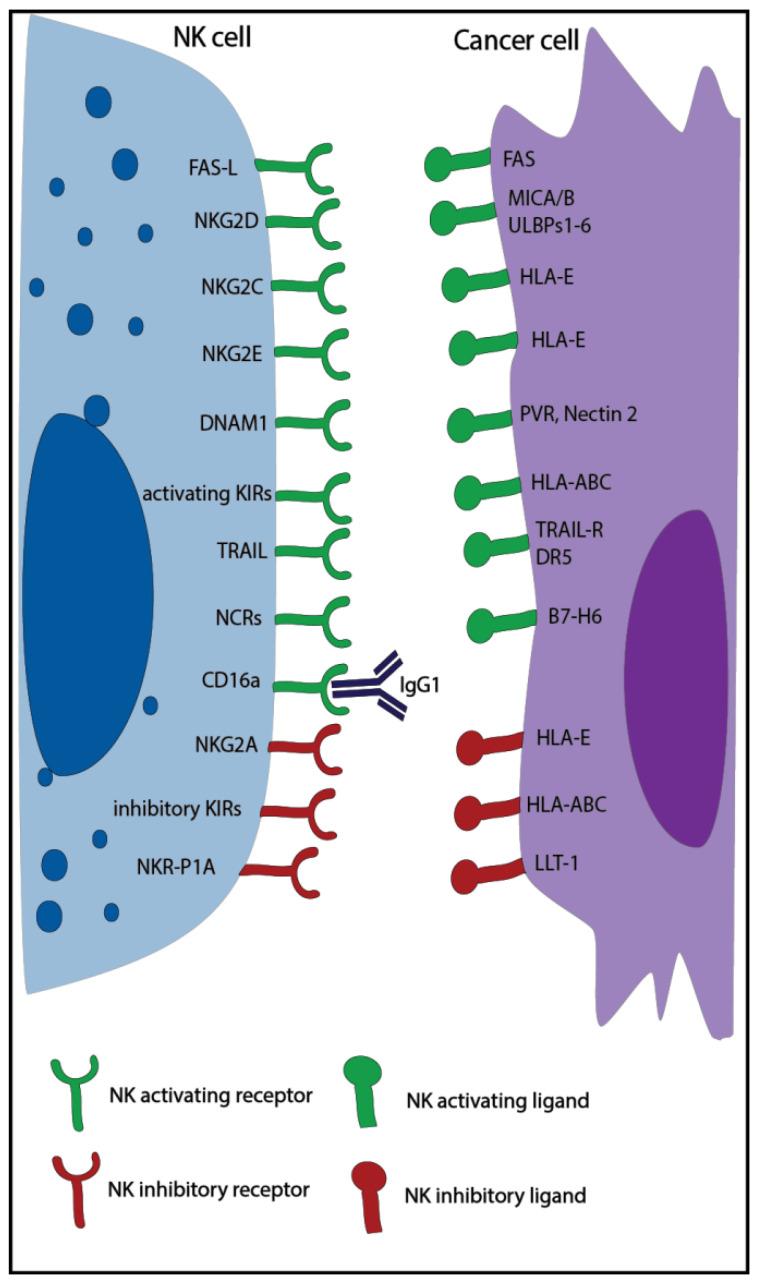
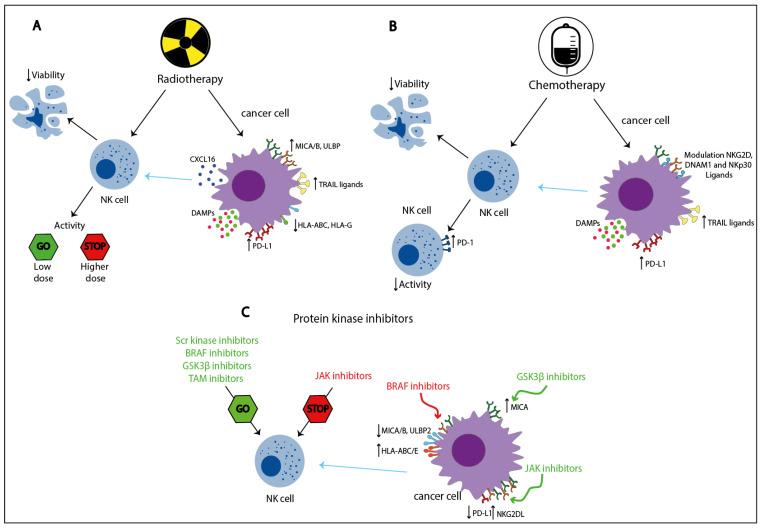
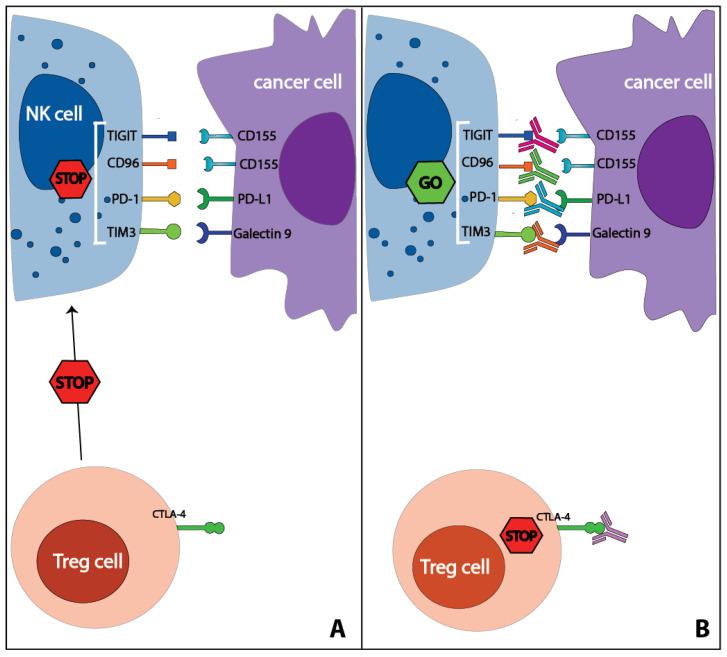
Natural Killer (NK) cells are innate immune cells with the unique ability to recognize and kill virus-infected and cancer cells without prior immune sensitization. Due to their expression of the Fc receptor CD16, effector NK cells can kill tumor cells through antibody-dependent cytotoxicity, making them relevant players in antibody-based cancer therapies. The role of NK cells in other approved and experimental anti-cancer therapies is more elusive. Here, we review the possible role of NK cells in the efficacy of various anti-tumor therapies, including radiotherapy, chemotherapy, and immunotherapy, as well as the impact of these therapies on NK cell function.
自然杀伤(NK)细胞是先天性免疫细胞,具有独特的能力,能够在无需预先免疫致敏的情况下识别并杀死病毒感染细胞和癌细胞。由于效应性NK细胞表达Fc受体CD16,它们可以通过抗体依赖性细胞毒性作用杀死肿瘤细胞,这使得它们在基于抗体的癌症治疗中发挥重要作用。NK细胞在其他已批准和实验性抗癌治疗中的作用则更为难以捉摸。在此,我们综述了NK细胞在各种抗肿瘤治疗(包括放疗、化疗和免疫治疗)疗效中可能发挥的作用,以及这些治疗对NK细胞功能的影响。

 Zotero 插件