
血清神经酰胺作为ST段抬高型心肌梗死患者大血栓负荷的预后生物标志物:一项微计算机断层扫描研究
Serum Ceramides as Prognostic Biomarkers of Large Thrombus Burden in Patients with STEMI: A Micro-Computed Tomography Study.
作者信息
Karagiannidis Efstratios, Papazoglou Andreas S, Stalikas Nikolaos, Deda Olga, Panteris Eleftherios, Begou Olga, Sofidis Georgios, Moysidis Dimitrios V, Kartas Anastasios, Chatzinikolaou Evangelia, Keklikoglou Kleoniki, Bompoti Andreana, Gika Helen, Theodoridis Georgios, Sianos Georgios
机构信息
First Department of Cardiology, AHEPA University Hospital, Aristotle University of Thessaloniki, St. Kiriakidi 1, 54636 Thessaloniki, Greece.
Laboratory of Forensic Medicine and Toxicology, School of Medicine, Aristotle University of Thessaloniki, 54124 Thessaloniki, Greece.
出版信息
J Pers Med. 2021 Jan 31;11(2):89. doi: 10.3390/jpm11020089.
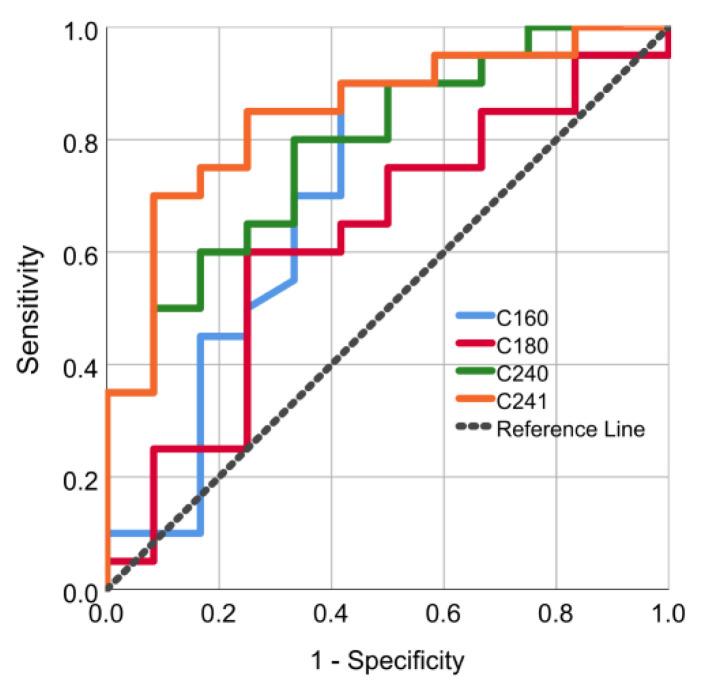
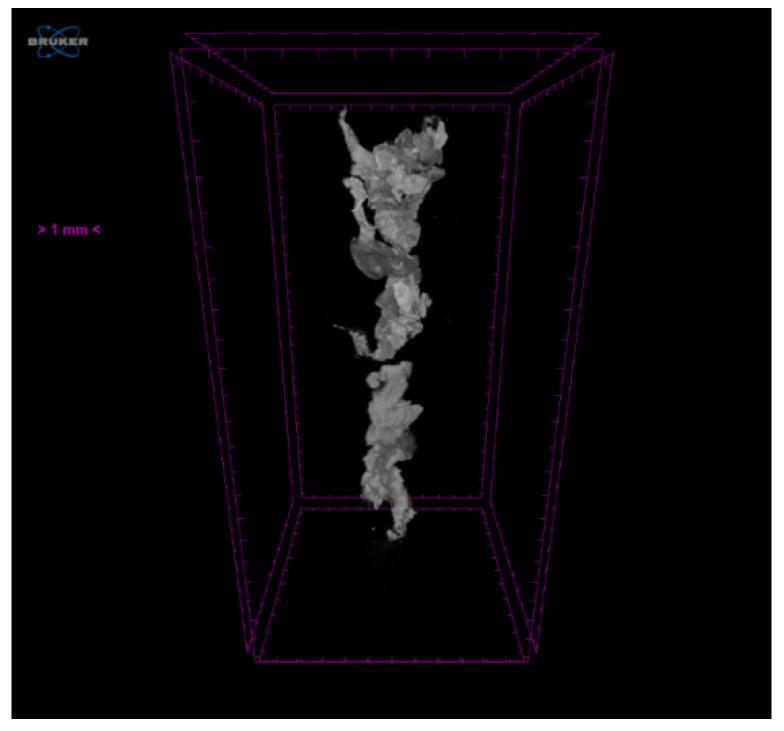
ST-elevation myocardial infarction (STEMI) remains one of the leading causes of mortality worldwide. The identification of novel metabolic and imaging biomarkers could unveil key pathophysiological mechanisms at the molecular level and promote personalized care in patients with acute coronary syndromes. We studied 38 patients with STEMI who underwent primary percutaneous coronary intervention and thrombus aspiration. We sought to correlate serum ceramide levels with micro-CT quantified aspirated thrombus volume and relevant angiographic outcomes, including modified TIMI thrombus grade and pre- or post-procedural TIMI flow. Higher ceramide C16:0 levels were significantly but weakly correlated with larger aspirated thrombus volume (Spearman r = 0.326, = 0.046), larger intracoronary thrombus burden (TB; = 0.030) and worse pre- and post-procedural TIMI flow ( = 0.049 and = 0.039, respectively). Ceramides C24:0 and C24:1 were also significantly associated with larger intracoronary TB ( = 0.008 and = 0.001, respectively). Receiver operating characteristic analysis demonstrated that ceramides C24:0 and C24:1 could significantly predict higher intracoronary TB (area under the curve: 0.788, 95% CI: 0.629-0.946 and 0.846, 95% CI: 0.706-0.985, respectively). In conclusion, serum ceramide levels were higher among patients with larger intracoronary and aspirated TB. This suggests that quantification of serum ceramides might improve risk-stratification of patients with STEMI and facilitate an individualized approach in clinical practice.
ST段抬高型心肌梗死(STEMI)仍是全球主要的死亡原因之一。新型代谢和成像生物标志物的识别可以揭示分子水平上的关键病理生理机制,并促进急性冠状动脉综合征患者的个性化治疗。我们研究了38例接受直接经皮冠状动脉介入治疗和血栓抽吸的STEMI患者。我们试图将血清神经酰胺水平与微型计算机断层扫描(micro-CT)定量的抽吸血栓体积以及相关血管造影结果相关联,包括改良的心肌梗死溶栓治疗(TIMI)血栓分级和术前或术后TIMI血流。较高的神经酰胺C16:0水平与较大的抽吸血栓体积显著但微弱相关(Spearman相关系数r = 0.326,P = 0.046)、较大的冠状动脉内血栓负荷(TB;P = 0.030)以及术前和术后较差的TIMI血流(分别为P = 0.049和P = 0.039)。神经酰胺C24:0和C24:1也与较大的冠状动脉内TB显著相关(分别为P = 0.008和P = 0.001)。受试者工作特征分析表明,神经酰胺C24:0和C24:1可以显著预测较高的冠状动脉内TB(曲线下面积:分别为0.788,95%置信区间:0.629 - 0.946和0.846,95%置信区间:0.706 - 0.985)。总之,冠状动脉内和抽吸TB较大的患者血清神经酰胺水平较高。这表明血清神经酰胺的定量可能会改善STEMI患者的风险分层,并有助于临床实践中的个体化治疗方法。

 Zotero 插件