
SK2表达上调和CaMKII磷酸化受损是16p11.2缺失小鼠和129S突变小鼠共有的突触缺陷。
Upregulated SK2 Expression and Impaired CaMKII Phosphorylation Are Shared Synaptic Defects Between 16p11.2del and 129S: Mutant Mice.
作者信息
Sultana Razia, Ghandi Tanya, M Davila Alexandra, Lee Charles C, Ogundele Olalekan M
机构信息
Department of Comparative Biomedical Sciences, Louisiana State University School of Veterinary Medicine, Baton Rouge, LA, USA.
出版信息
ASN Neuro. 2018 Jan-Dec;10:1759091418817641. doi: 10.1177/1759091418817641.
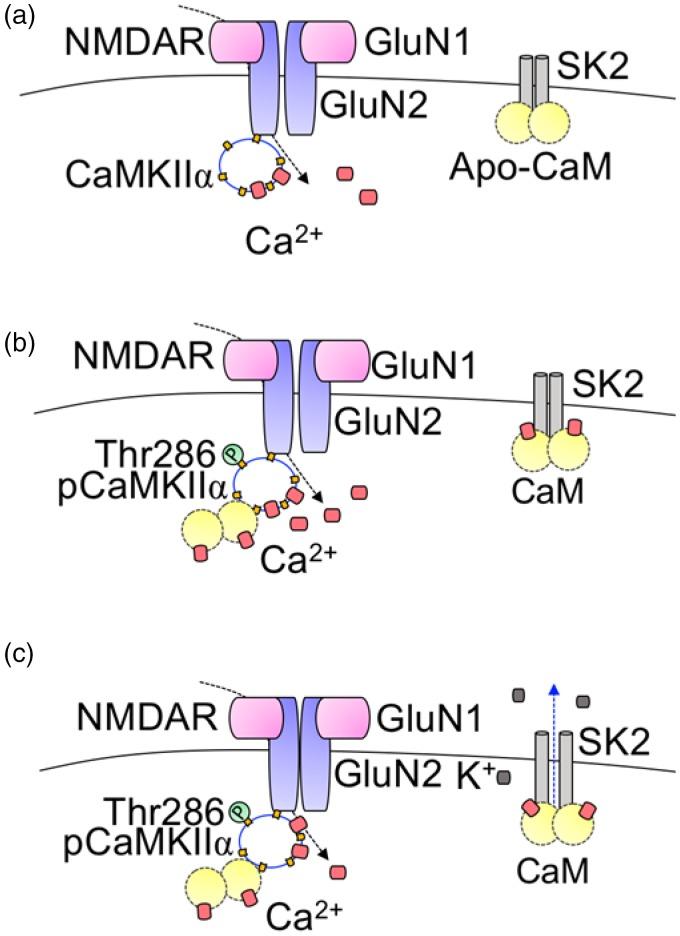
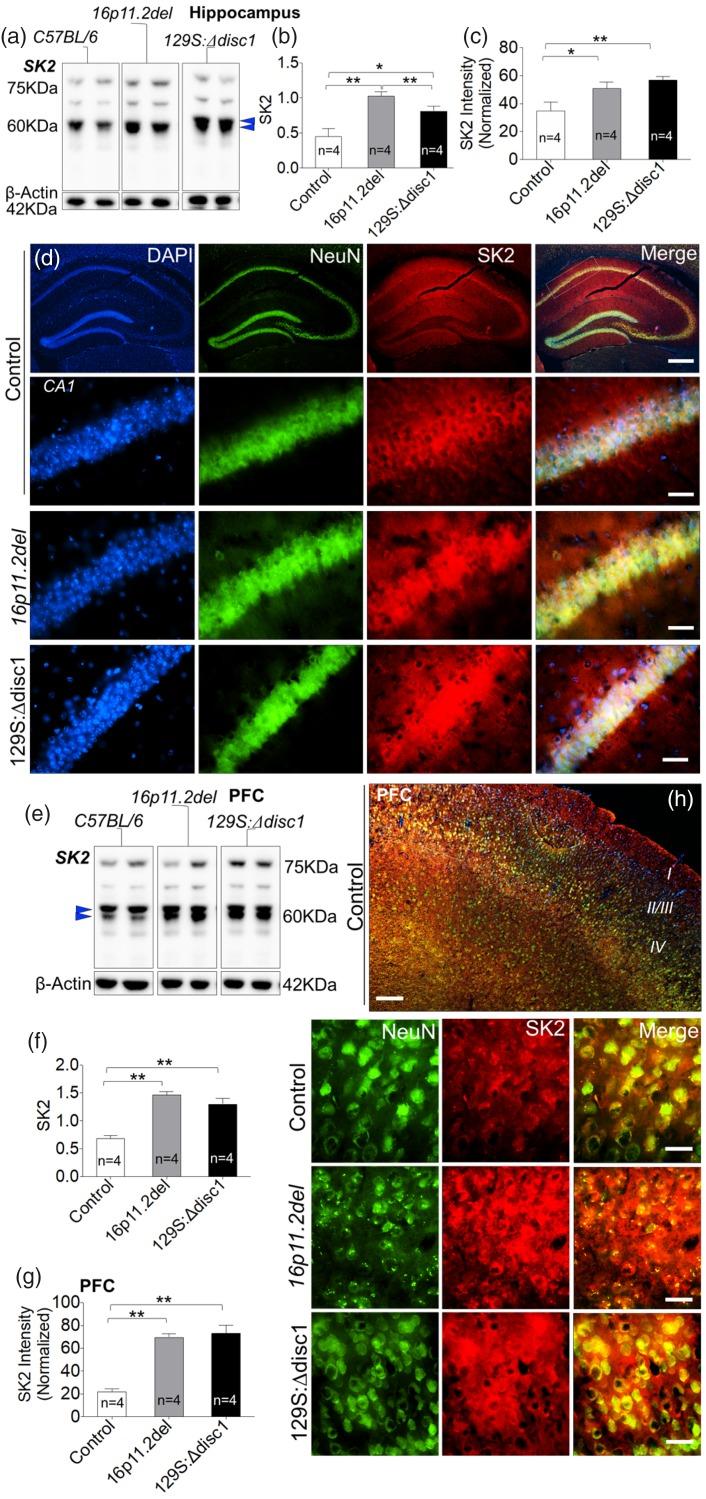
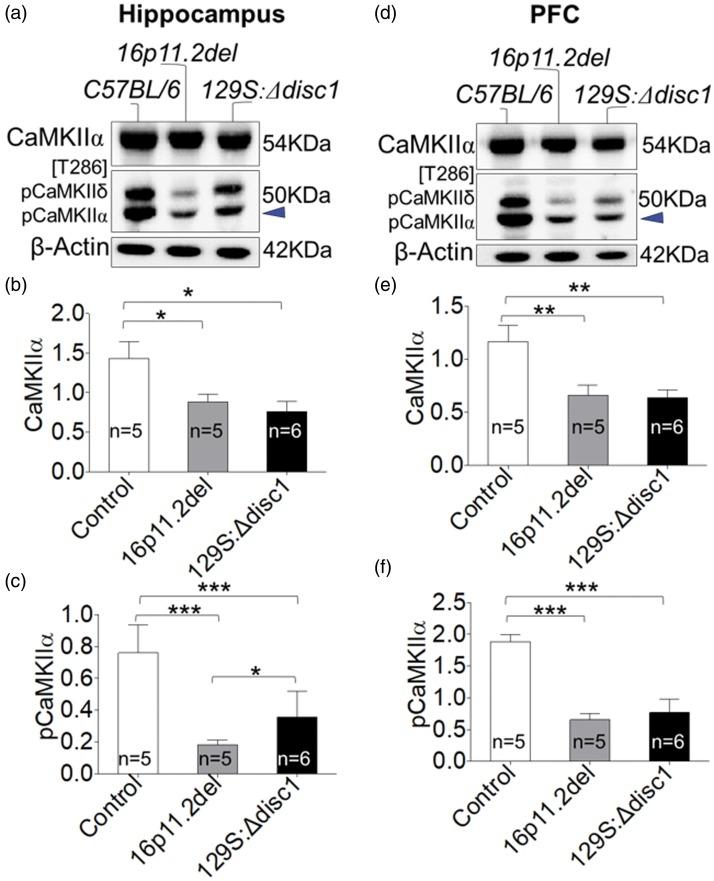
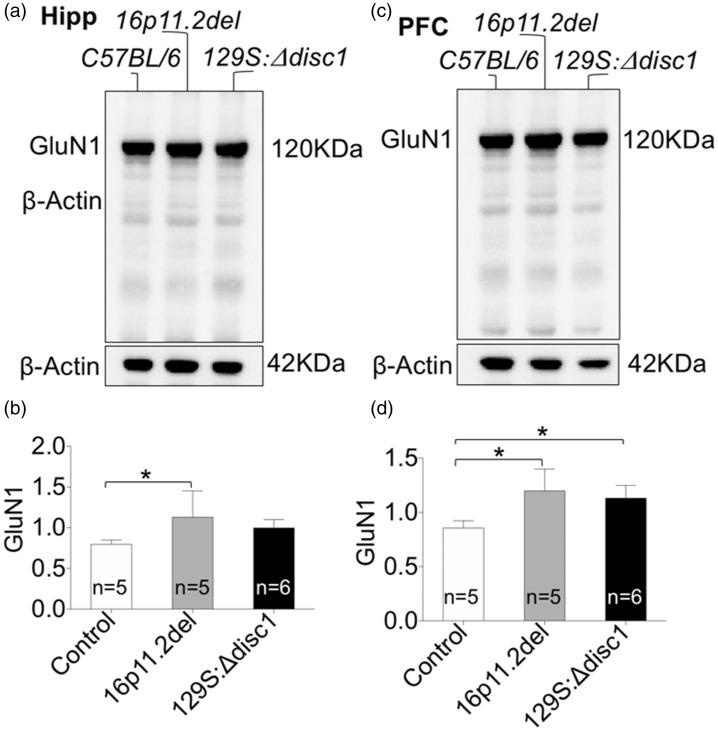
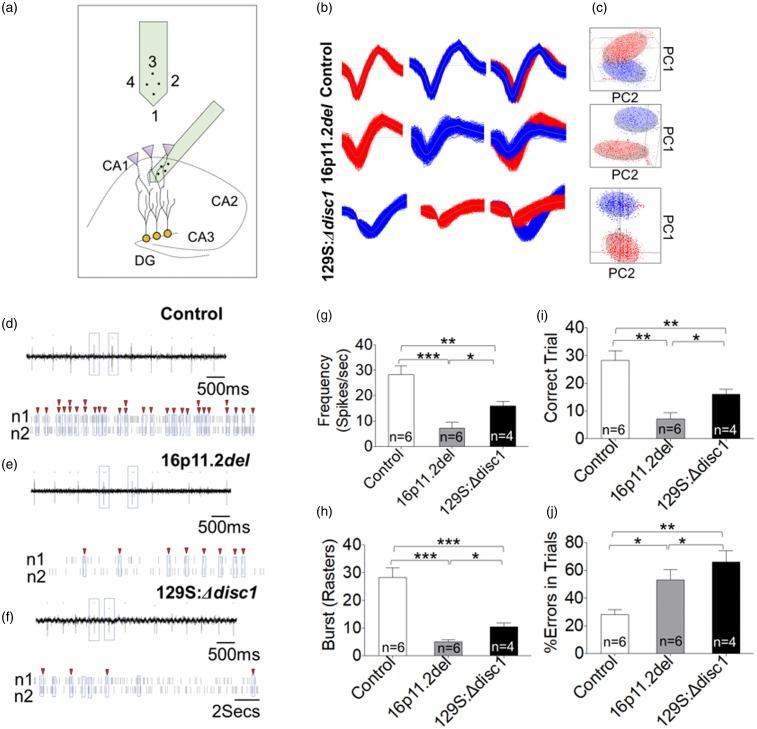
Ion channel gating and kinase regulation of N-methyl-D-aspartate receptor 1 activity are fundamental mechanisms that govern synaptic plasticity. In this study, we showed that two mutant models (16p11.2del and ) that recapitulate aspects of human cognitive disorders shared a similar defect in N-methyl-D-aspartate receptor 1-dependent synaptic function. Our results demonstrate that the expression of small-conductance potassium channels (SK2 or KCa2.2) was significantly upregulated in the hippocampus and prefrontal cortex of 16p11.2del and 129S: mutant mice. Likewise, both mutant strains exhibited an impairment of T286 phosphorylation of calcium-calmodulin-dependent kinase II (CaMKII) in the hippocampus and prefrontal cortex. neural recordings revealed that increased SK2 expression and impaired T286 phosphorylation of CaMKII coincide with a prolonged interspike interval in the hippocampal cornu ammonis-1 (CA1) field for both 16p11.2del and 129S: mutant mice. These findings suggest that alteration of small conductance channels and T286 phosphorylation of CaMKII are likely shared factors underlying behavioral changes in these two genetic mouse models.
离子通道门控和N-甲基-D-天冬氨酸受体1活性的激酶调节是控制突触可塑性的基本机制。在本研究中,我们表明,两种重现人类认知障碍某些方面的突变模型(16p11.2缺失和)在依赖N-甲基-D-天冬氨酸受体1的突触功能上存在类似缺陷。我们的结果表明,小电导钾通道(SK2或KCa2.2)的表达在16p11.2缺失和129S突变小鼠的海马体和前额叶皮质中显著上调。同样,两种突变株在海马体和前额叶皮质中均表现出钙调蛋白依赖性激酶II(CaMKII)的T286磷酸化受损。神经记录显示,对于16p11.2缺失和129S突变小鼠,SK2表达增加和CaMKII的T286磷酸化受损与海马体齿状回-1(CA1)区的峰间间隔延长同时出现。这些发现表明,小电导通道的改变和CaMKII的T286磷酸化可能是这两种基因小鼠模型行为变化的共同潜在因素。

 Zotero 插件