
骨连接蛋白在人黄韧带中的表达及其功能。
Biglycan expression and its function in human ligamentum flavum.
机构信息
Department of Orthopaedic Surgery, Osaka City University Graduate School of Medicine, 1-4-3 Asahi Machi, Abeno-Ku, Osaka, 545-8585, Japan.
出版信息
Sci Rep. 2021 Mar 1;11(1):4867. doi: 10.1038/s41598-021-84363-x.
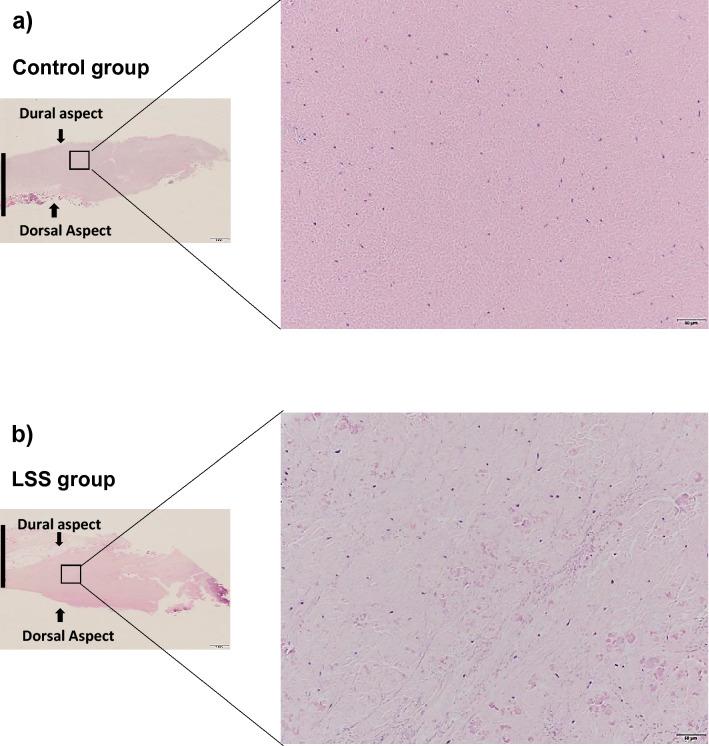
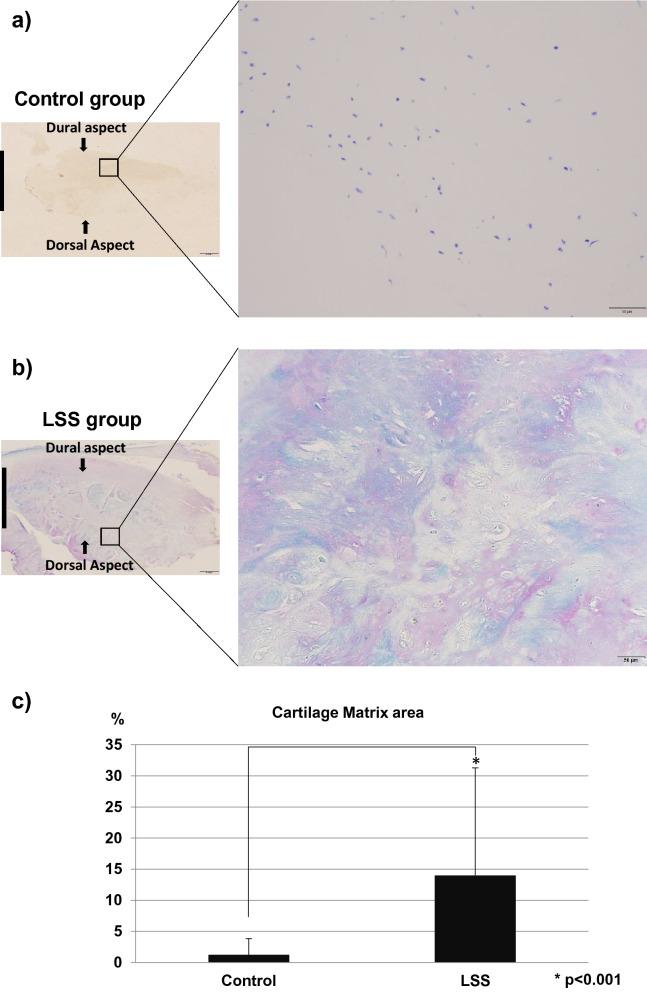
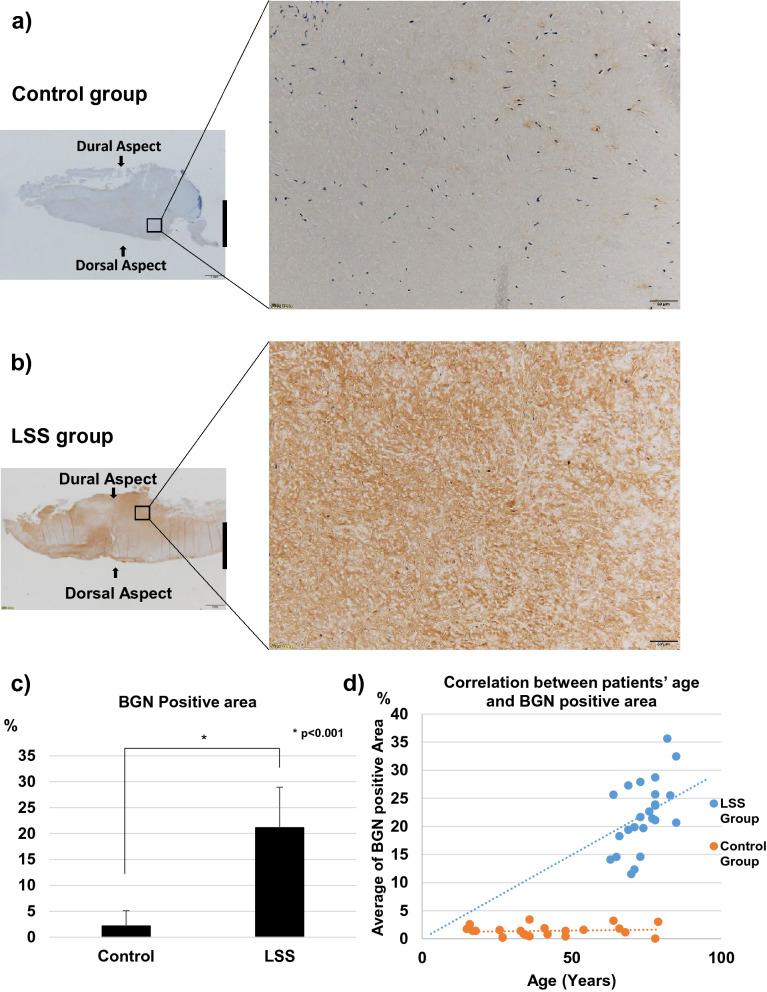
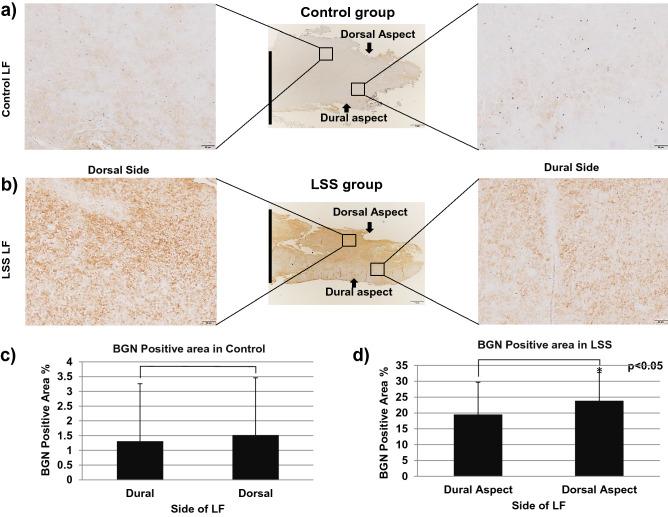
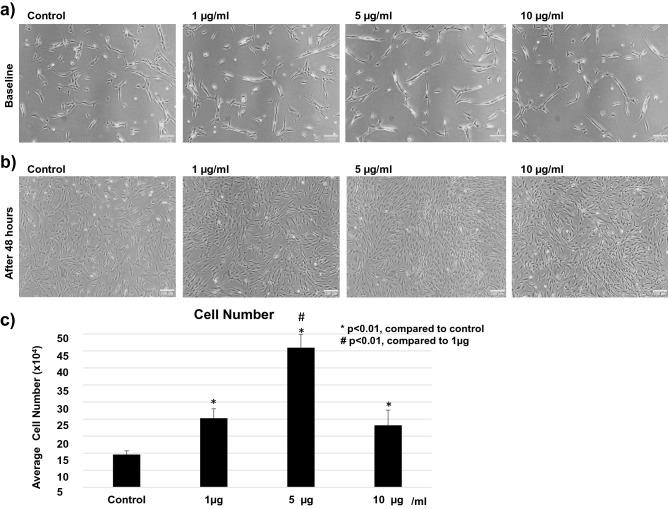
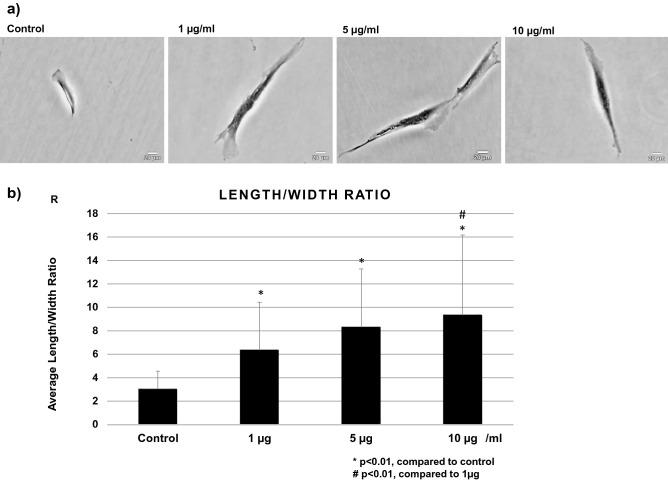
Hypertrophy of the ligamentum flavum (LF) is a major cause of lumbar spinal stenosis (LSS), and the pathology involves disruption of elastic fibers, fibrosis with increased cellularity and collagens, and/or calcification. Previous studies have implicated the increased expression of the proteoglycan family in hypertrophied LF. Furthermore, the gene expression profile in a rabbit experimental model of LF hypertrophy revealed that biglycan (BGN) is upregulated in hypertrophied LF by mechanical stress. However, the expression and function of BGN in human LF has not been well elucidated. To investigate the involvement of BGN in the pathomechanism of human ligamentum hypertrophy, first we confirmed increased expression of BGN by immunohistochemistry in the extracellular matrix of hypertrophied LF of LSS patients compared to LF without hypertrophy. Experiments using primary cell cultures revealed that BGN promoted cell proliferation. Furthermore, BGN induces changes in cell morphology and promotes myofibroblastic differentiation and cell migration. These effects are observed for both cells from hypertrophied and non-hypertrophied LF. The present study revealed hyper-expression of BGN in hypertrophied LF and function of increased proteoglycan in LF cells. BGN may play a crucial role in the pathophysiology of LF hypertrophy through cell proliferation, myofibroblastic differentiation, and cell migration.
黄韧带肥厚(LF)是腰椎管狭窄症(LSS)的主要原因,其病理学涉及弹性纤维的破坏、细胞增多和胶原纤维纤维化和/或钙化。先前的研究表明,糖胺聚糖家族在肥厚的 LF 中表达增加。此外,在 LF 肥厚的兔实验模型中的基因表达谱显示,机械应力使肥厚的 LF 中 biglycan(BGN)上调。然而,BGN 在人 LF 中的表达和功能尚未得到很好的阐明。为了研究 BGN 在人韧带肥厚发病机制中的作用,我们首先通过免疫组织化学证实了与无肥厚 LF 相比,LSS 患者肥厚 LF 的细胞外基质中 BGN 的表达增加。原代细胞培养实验表明,BGN 促进细胞增殖。此外,BGN 诱导细胞形态变化并促进成肌纤维细胞分化和细胞迁移。这些作用在肥厚和非肥厚 LF 的细胞中均观察到。本研究揭示了 BGN 在肥厚 LF 中的高表达和 LF 细胞中增加的蛋白聚糖的功能。BGN 可能通过细胞增殖、成肌纤维细胞分化和细胞迁移在 LF 肥厚的病理生理学中发挥关键作用。


 Zotero 插件