
外骨骼辅助步行对脊髓损伤肠道功能的影响:一项随机试验的结果及与其他物理干预措施的比较
The Effect of Exoskeletal-Assisted Walking on Spinal Cord Injury Bowel Function: Results from a Randomized Trial and Comparison to Other Physical Interventions.
作者信息
Gorman Peter H, Forrest Gail F, Asselin Pierre K, Scott William, Kornfeld Stephen, Hong Eunkyoung, Spungen Ann M
机构信息
Department of Neurology, University of Maryland School of Medicine, Baltimore, MD 21201, USA.
Division of Rehabilitation Medicine, University of Maryland Rehabilitation and Orthopaedic Institute, Baltimore, MD 21207, USA.
出版信息
J Clin Med. 2021 Mar 2;10(5):964. doi: 10.3390/jcm10050964.
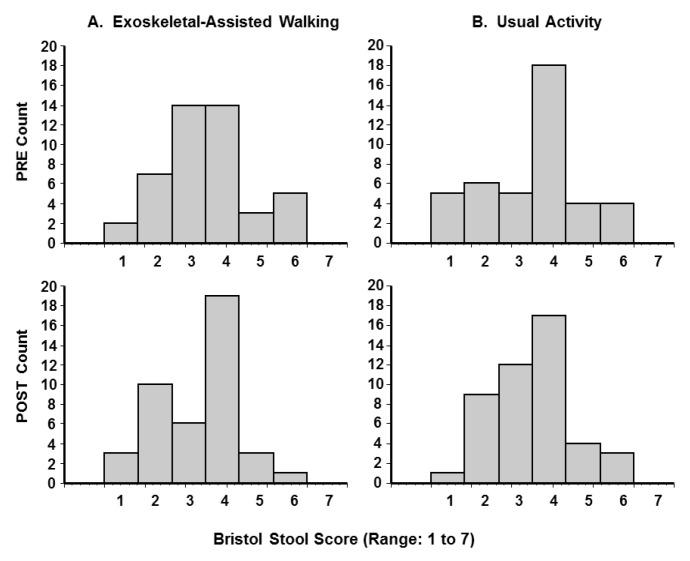
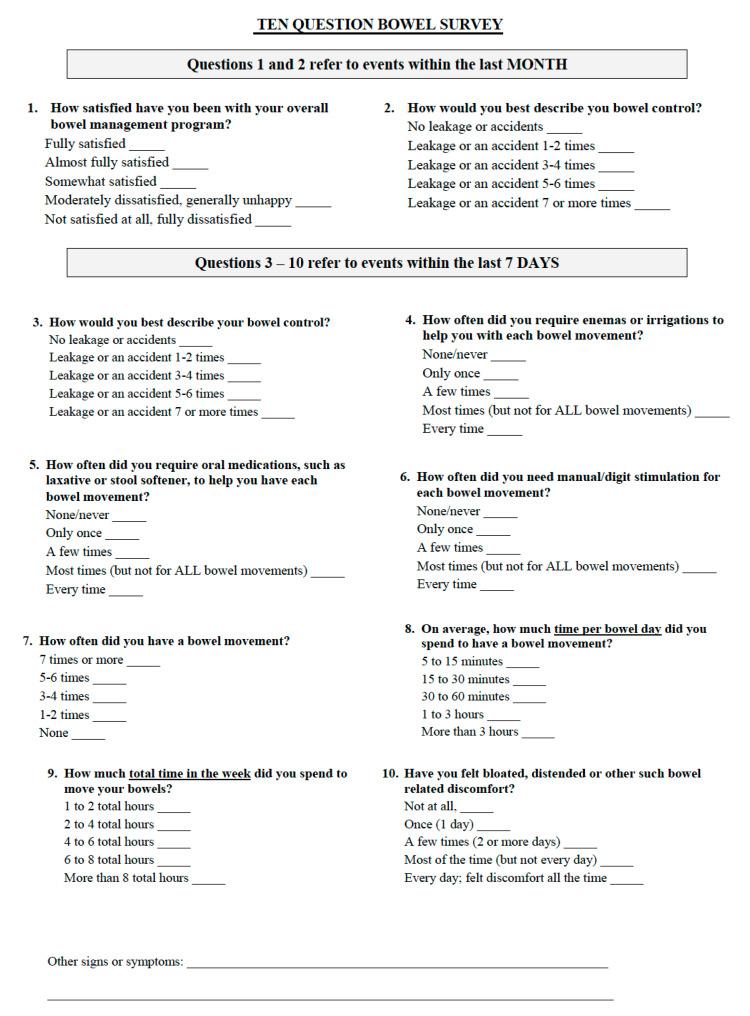
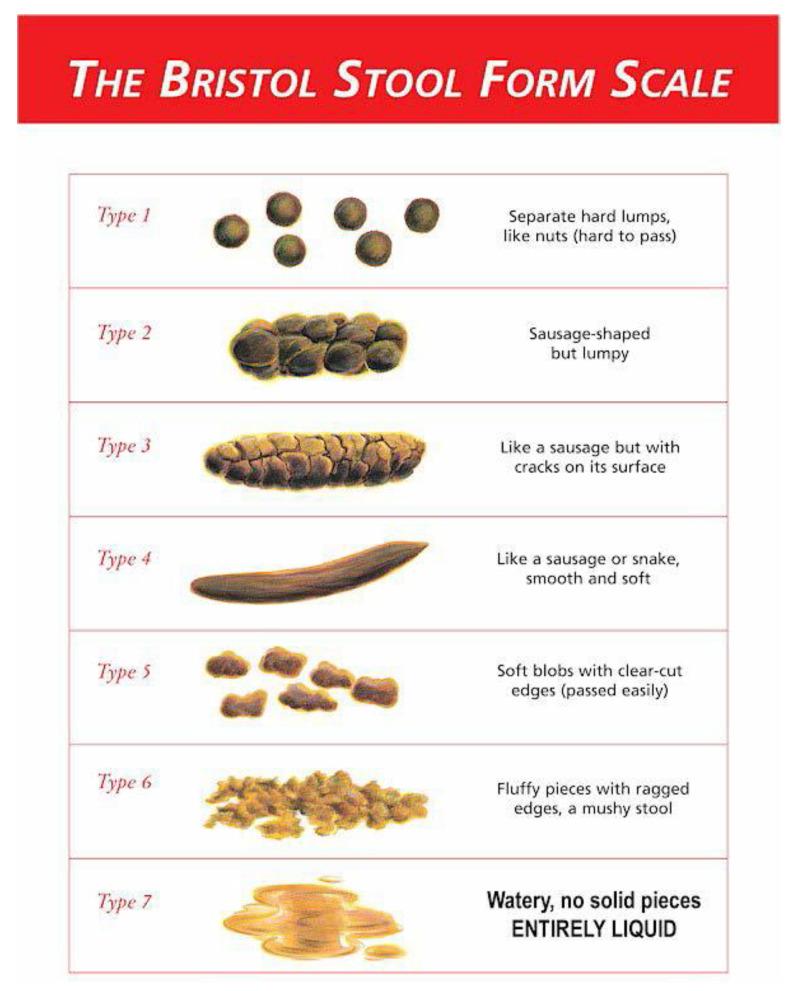
Bowel function after spinal cord injury (SCI) is compromised because of a lack of voluntary control and reduction in bowel motility, often leading to incontinence and constipation not easily managed. Physical activity and upright posture may play a role in dealing with these issues. We performed a three-center, randomized, controlled, crossover clinical trial of exoskeletal-assisted walking (EAW) compared to usual activity (UA) in people with chronic SCI. As a secondary outcome measure, the effect of this intervention on bowel function was assessed using a 10-question bowel function survey, the Bristol Stool Form Scale (BSS) and the Spinal Cord Injury Quality of Life (SCI-QOL) Bowel Management Difficulties instrument. Fifty participants completed the study, with bowel data available for 49. The amount of time needed for the bowel program on average was reduced in 24% of the participants after EAW. A trend toward normalization of stool form was noted. There were no significant effects on patient-reported outcomes for bowel function for the SCI-QOL components, although the time since injury may have played a role. Subset analysis suggested that EAW produces a greater positive effect in men than women and may be more effective in motor-complete individuals with respect to stool consistency. EAW, along with other physical interventions previously investigated, may be able to play a previously underappreciated role in assisting with SCI-related bowel dysfunction.
脊髓损伤(SCI)后肠道功能受损,原因是缺乏自主控制且肠道蠕动减弱,常导致大小便失禁和便秘,难以处理。身体活动和直立姿势可能有助于解决这些问题。我们开展了一项三中心、随机、对照、交叉临床试验,比较慢性SCI患者进行外骨骼辅助行走(EAW)与日常活动(UA)的效果。作为次要结局指标,使用一份包含10个问题的肠道功能调查问卷、布里斯托大便分类法(BSS)以及脊髓损伤生活质量(SCI-QOL)肠道管理困难量表来评估该干预措施对肠道功能的影响。50名参与者完成了研究,49人有肠道数据。EAW后,24%的参与者平均肠道程序所需时间减少。大便形状有趋于正常的趋势。虽然受伤时间可能起了作用,但SCI-QOL各组成部分中患者报告的肠道功能结局并无显著影响。亚组分析表明,EAW对男性的积极作用大于女性,且在改善运动完全性个体的大便稠度方面可能更有效。EAW与之前研究的其他物理干预措施一起,可能在辅助解决SCI相关肠道功能障碍方面发挥此前未被充分认识的作用。
 Zotero 插件