
心脏氧化信号和生理肥大在高亲和力心脏毒素甾体的 Na/K-ATPase α1α2 小鼠模型中。
Cardiac Oxidative Signaling and Physiological Hypertrophy in the Na/K-ATPase α1α2 Mouse Model of High Affinity for Cardiotonic Steroids.
机构信息
Marshall Institute for Interdisciplinary Research, Huntington, WV 25703, USA.
Department of Biomedical Sciences, Marshall University Joan C. Edwards School of Medicine, Huntington, WV 25755, USA.
出版信息
Int J Mol Sci. 2021 Mar 27;22(7):3462. doi: 10.3390/ijms22073462.
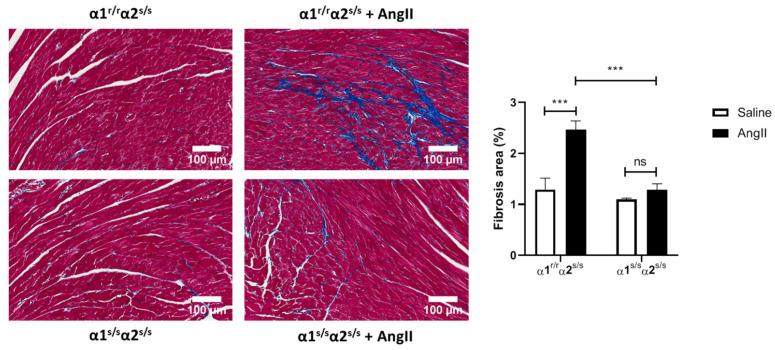
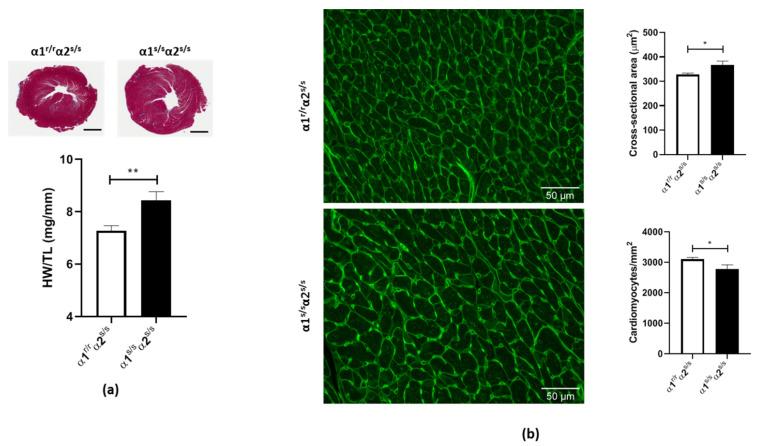
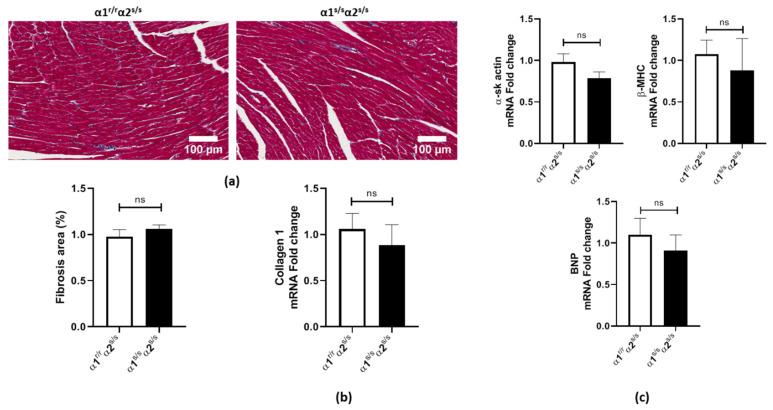
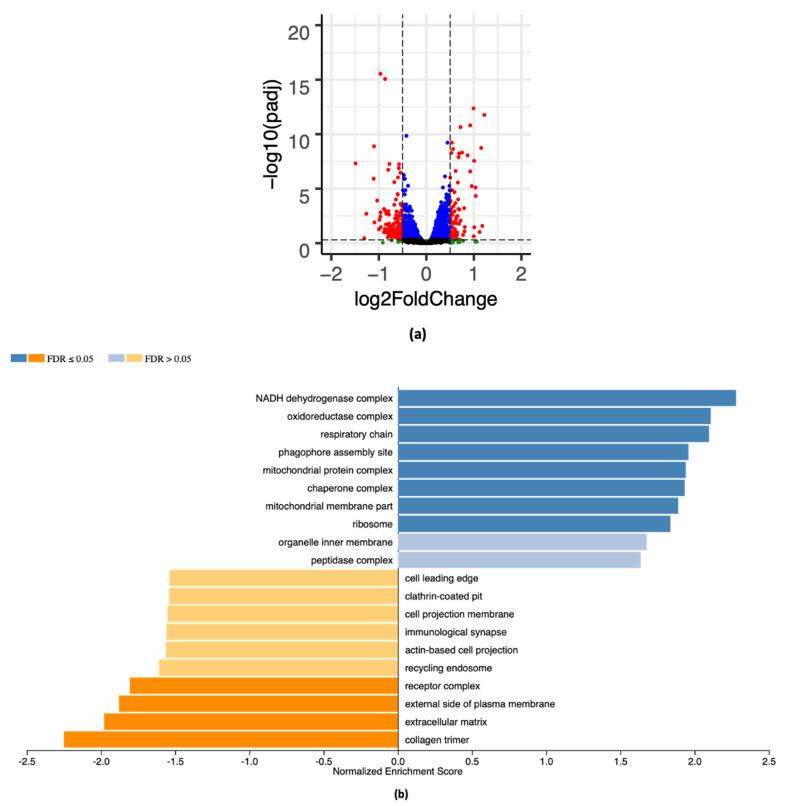
The Na/K-ATPase is the specific receptor for cardiotonic steroids (CTS) such as ouabain and digoxin. At pharmacological concentrations used in the treatment of cardiac conditions, CTS inhibit the ion-pumping function of Na/K-ATPase. At much lower concentrations, in the range of those reported for endogenous CTS in the blood, they stimulate hypertrophic growth of cultured cardiac myocytes through initiation of a Na/K-ATPase-mediated and reactive oxygen species (ROS)-dependent signaling. To examine a possible effect of endogenous concentrations of CTS on cardiac structure and function in vivo, we compared mice expressing the naturally resistant Na/K-ATPase α1 and age-matched mice genetically engineered to express a mutated Na/K-ATPase α1 with high affinity for CTS. In this model, total cardiac Na/K-ATPase activity, α1, α2, and β1 protein content remained unchanged, and the cardiac Na/K-ATPase dose-response curve to ouabain shifted to the left as expected. In males aged 3-6 months, increased α1 sensitivity to CTS resulted in a significant increase in cardiac carbonylated protein content, suggesting that ROS production was elevated. A moderate but significant increase of about 15% of the heart-weight-to-tibia-length ratio accompanied by an increase in the myocyte cross-sectional area was detected. Echocardiographic analyses did not reveal any change in cardiac function, and there was no fibrosis or re-expression of the fetal gene program. RNA sequencing analysis indicated that pathways related to energy metabolism were upregulated, while those related to extracellular matrix organization were downregulated. Consistent with a functional role of the latter, an angiotensin-II challenge that triggered fibrosis in the α1α2 mouse failed to do so in the α1α2. Taken together, these results are indicative of a link between circulating CTS, Na/K-ATPase α1, ROS, and physiological cardiac hypertrophy in mice under baseline laboratory conditions.
钠钾-ATP 酶是强心甾(CTS)如哇巴因和地高辛的特定受体。在治疗心脏疾病时使用的药理学浓度下,CTS 抑制钠钾-ATP 酶的离子泵功能。在低得多的浓度下,即在血液中报告的内源性 CTS 浓度范围内,它们通过启动钠钾-ATP 酶介导和活性氧(ROS)依赖性信号来刺激培养的心肌细胞的肥大生长。为了研究内源性 CTS 浓度对体内心脏结构和功能的可能影响,我们比较了表达天然抗性钠钾-ATP 酶α1 的小鼠和基因工程表达对 CTS 具有高亲和力的突变型钠钾-ATP 酶α1 的年龄匹配的小鼠。在该模型中,总心脏钠钾-ATP 酶活性、α1、α2 和β1 蛋白含量保持不变,哇巴因对钠钾-ATP 酶的心脏剂量反应曲线如预期那样向左移位。在 3-6 月龄雄性中,CTS 对α1 敏感性增加导致心脏羰基化蛋白含量显著增加,表明 ROS 产生增加。约 15%的心脏重量-胫骨长度比的适度但显著增加伴随着心肌横截面积的增加被检测到。超声心动图分析未显示任何心脏功能变化,也没有纤维化或胎儿基因程序的再表达。RNA 测序分析表明,与能量代谢相关的途径上调,而与细胞外基质组织相关的途径下调。与后者的功能作用一致,血管紧张素-II 挑战在α1α2 小鼠中引发纤维化,但在α1α2 小鼠中没有引发纤维化。总之,这些结果表明在基线实验室条件下,循环 CTS、钠钾-ATP 酶α1、ROS 和生理性心脏肥大之间存在联系。


 Zotero 插件