
添加玄武岩纤维的水泥砂浆的弯曲性能
Flexural Behaviour of Cementitious Mortars with the Addition of Basalt Fibres.
作者信息
Wydra Małgorzata, Dolny Piotr, Sadowski Grzegorz, Fangrat Jadwiga
机构信息
Faculty of Civil Engineering, Mechanics and Petrochemistry, Warsaw University of Technology, 09-400 Płock, Poland.
Building Research Institute, 00-611 Warsaw, Poland.
出版信息
Materials (Basel). 2021 Mar 10;14(6):1334. doi: 10.3390/ma14061334.
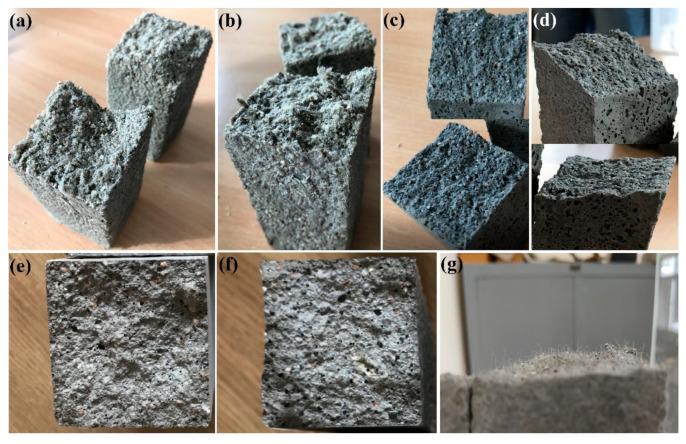
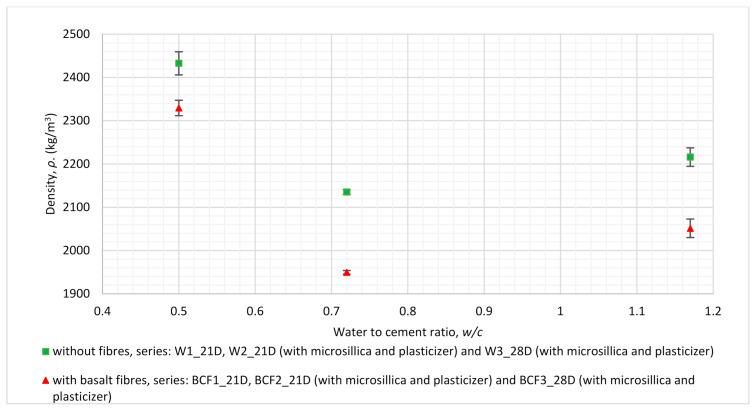
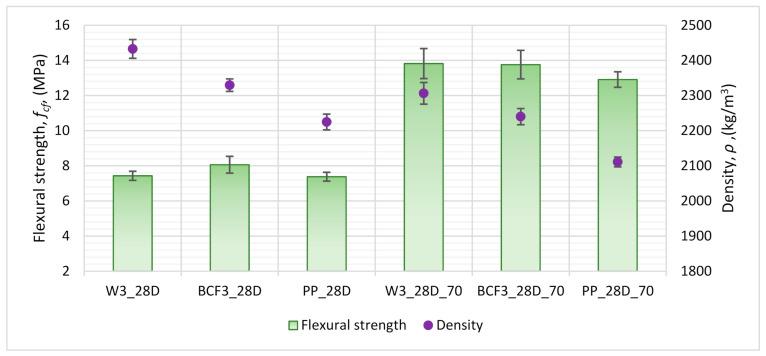
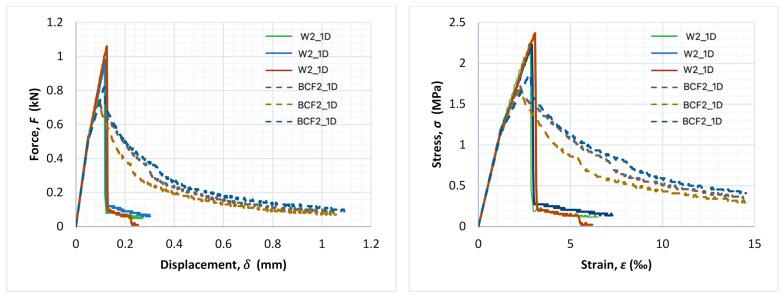
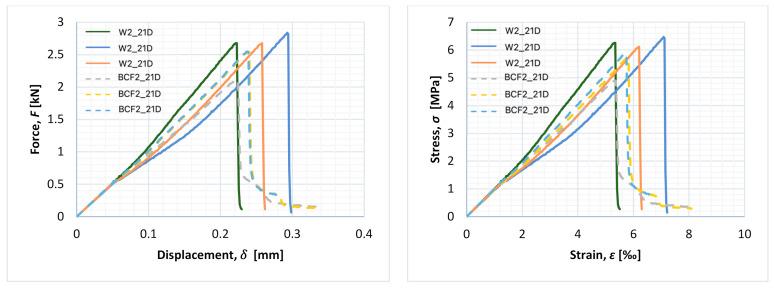
The results of flexural tests of basalt fibre-reinforced cementitious mortars in terms of flexural strength and the occurrence of the bridging effect are summarised. Mixture proportions and curing conditions were altered for various series. The main parameters concerning mixture proportions were water to cement ratio (), micro-silica and plasticiser addition and fibre dosage (1%, 3% and 6.2% by binder's mass). Various curing conditions were defined by different temperatures, humidity and time. The influence of the amount of water inside the pores of the hardened cementitious matrix on the flexural strength values, as far as the impact of the alkaline environment on basalt fibres' performance is concerned, was underlined. The designation of flexural strength and the analysis of post-critical deformations were also performed on the reference series without fibres and with the addition of more common polypropylene fibres. The bridging effect was observed only for the basalt fibre-reinforced mortar specimens with a relatively low amount of cement and high ratio, especially after a short time of hardening. For the lowest value of ratio (equalling 0.5), the bridging effect did not occur, but flexural strength was higher than in the case of non-reinforced specimens. Comparing mortars with the addition of basalt and polypropylene fibres, the former demonstrated higher values of flexural strength (assuming the same percentage dosage by the mass of the binder). Nevertheless, the bridging effect in that case was obtained only for polypropylene fibres.
总结了玄武岩纤维增强水泥基砂浆弯曲试验在弯曲强度和桥接效应出现方面的结果。针对不同系列改变了配合比和养护条件。与配合比有关的主要参数是水灰比()、微硅粉和增塑剂的添加量以及纤维用量(按胶凝材料质量计为1%、3%和6.2%)。不同的温度、湿度和时间定义了各种养护条件。强调了硬化水泥基基体孔隙内水量对弯曲强度值的影响,以及碱性环境对玄武岩纤维性能的影响。还对不含纤维以及添加了更常见的聚丙烯纤维的参考系列进行了弯曲强度的测定和临界后变形分析。仅在水泥用量相对较低且水灰比高的玄武岩纤维增强砂浆试件中观察到桥接效应,尤其是在短时间硬化后。对于最低水灰比值(等于0.5),未出现桥接效应,但弯曲强度高于未增强试件的情况。比较添加玄武岩纤维和聚丙烯纤维的砂浆,前者表现出更高的弯曲强度值(假设按胶凝材料质量计的百分比用量相同)。然而,在那种情况下仅聚丙烯纤维出现了桥接效应。



 Zotero 插件