
膜生物反应器处理生活污水中新兴药物的生物降解:固体停留时间的影响。
Biodegradation of Emerging Pharmaceuticals from Domestic Wastewater by Membrane Bioreactor: The Effect of Solid Retention Time.
机构信息
Department of Environmental Engineering, Faculty of Civil Engineering, Yildiz Technical University, Istanbul 34220, Turkey.
Ministry of Health and Environment, Baghdad, Iraq.
出版信息
Int J Environ Res Public Health. 2021 Mar 25;18(7):3395. doi: 10.3390/ijerph18073395.
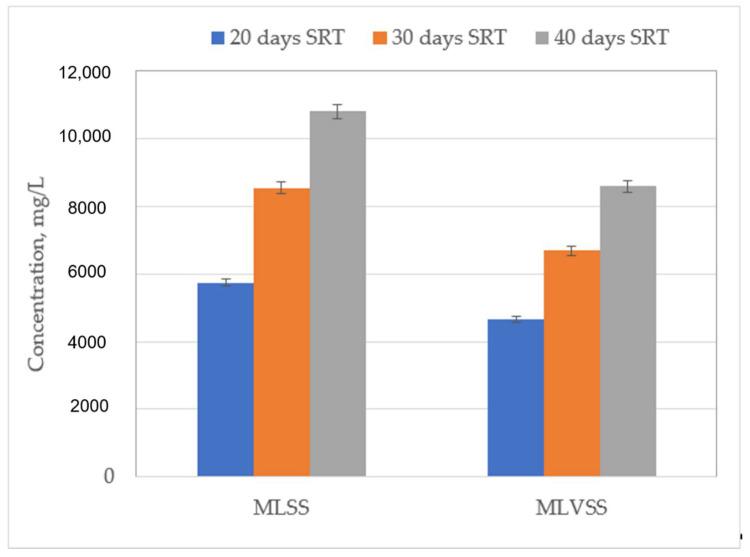
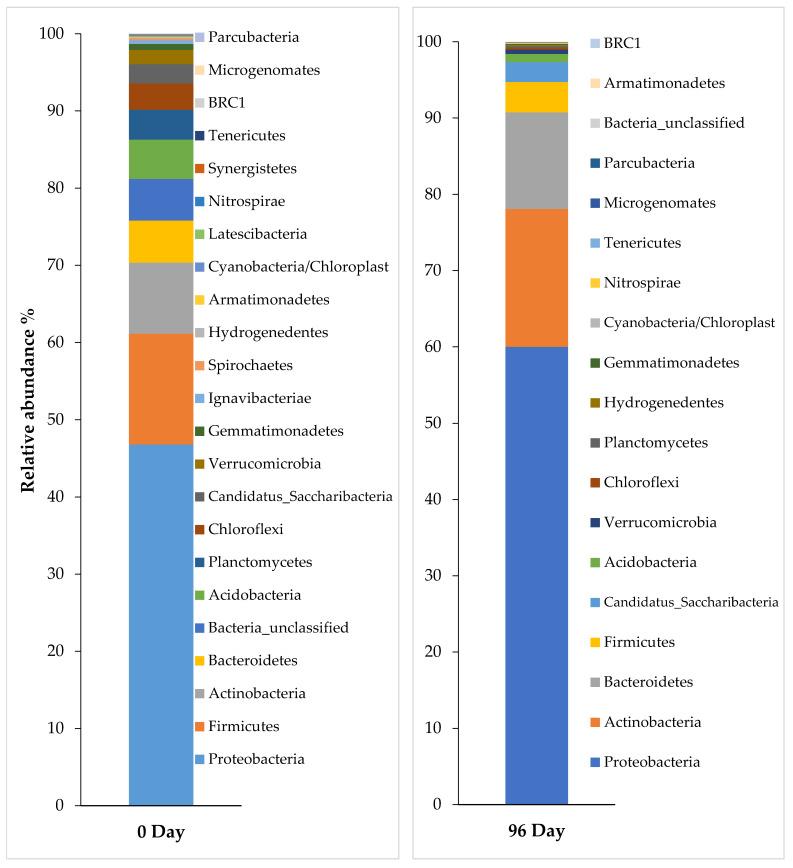
Although conventional biological treatment plants can remove basic pollutants, they are ineffective at removing recalcitrant pollutants. Membrane bioreactors contain promising technology and have the advantages of better effluent quality and lower sludge production compared to those of conventional biological treatment processes. In this study, the removal of pharmaceutical compounds by membrane bioreactors under different solid retention times (SRTs) was investigated. To study the effect of SRT on the removal of emerging pharmaceuticals, the levels of pharmaceuticals were measured over 96 days for the following retention times: 20, 30, and 40-day SRT. It was found that the 40-day SRT had the optimum performance in terms of the pharmaceuticals' elimination. The removal efficiencies of the chemical oxygen demand (COD) for each selected SRT were higher than 96% at steady-state conditions. The highest degradation efficiency was observed for paracetamol. Paracetamol was the most removed compound followed by ranitidine, atenolol, bezafibrate, diclofenac, and carbamazepine. The microbial community at the phylum level was also analyzed to understand the biodegradability of pharmaceuticals. It was noticed that the Proteobacteria phylum increased from 46.8% to 60.0% after 96 days with the pharmaceuticals. The Actinobacteria class, which can metabolize paracetamol, carbamazepine, and atenolol, was also increased from 9.1% to 17.9% after adding pharmaceuticals. The by-products of diclofenac, bezafibrate, and carbamazepine were observed in the effluent samples.
虽然传统的生物处理厂可以去除基本污染物,但它们对去除难降解污染物无效。膜生物反应器包含有前途的技术,与传统的生物处理工艺相比,具有更好的出水质量和更低的污泥产量。本研究考察了不同固体停留时间(SRT)下膜生物反应器对药物化合物的去除效果。为了研究 SRT 对新兴药物去除的影响,在以下停留时间下测量了 96 天内药物的水平:20、30 和 40 天 SRT。结果发现,40 天 SRT 在药物消除方面表现出最佳性能。在稳定条件下,每个选定 SRT 的化学需氧量(COD)去除率均高于 96%。对乙酰氨基酚的降解效率最高。对乙酰氨基酚是去除率最高的化合物,其次是雷尼替丁、阿替洛尔、苯扎贝特、双氯芬酸和卡马西平。还分析了微生物群落的门水平,以了解药物的可生物降解性。结果发现,在添加药物 96 天后,变形菌门从 46.8%增加到 60.0%。能够代谢对乙酰氨基酚、卡马西平和阿替洛尔的放线菌门也从添加药物前的 9.1%增加到 17.9%。在出水样品中观察到双氯芬酸、苯扎贝特和卡马西平的副产物。




 Zotero 插件