
一种用于高速原子力显微镜分析的无损、可调谐活细胞分离方法。
A Non-Destructive, Tuneable Method to Isolate Live Cells for High-Speed AFM Analysis.
作者信息
Evans Christopher T, Baldock Sara J, Hardy John G, Payton Oliver, Picco Loren, Allen Michael J
机构信息
Plymouth Marine Laboratory, Plymouth PL1 3DH, UK.
Interface Analysis Centre, Wills Physics Laboratory, University of Bristol, Bristol BS8 1TL, UK.
出版信息
Microorganisms. 2021 Mar 25;9(4):680. doi: 10.3390/microorganisms9040680.
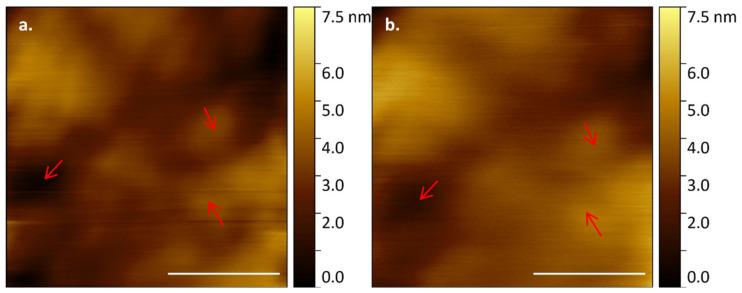
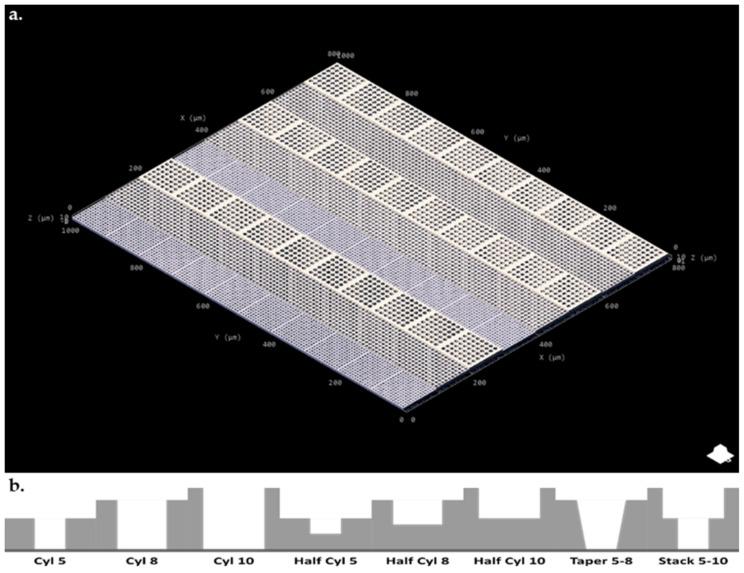
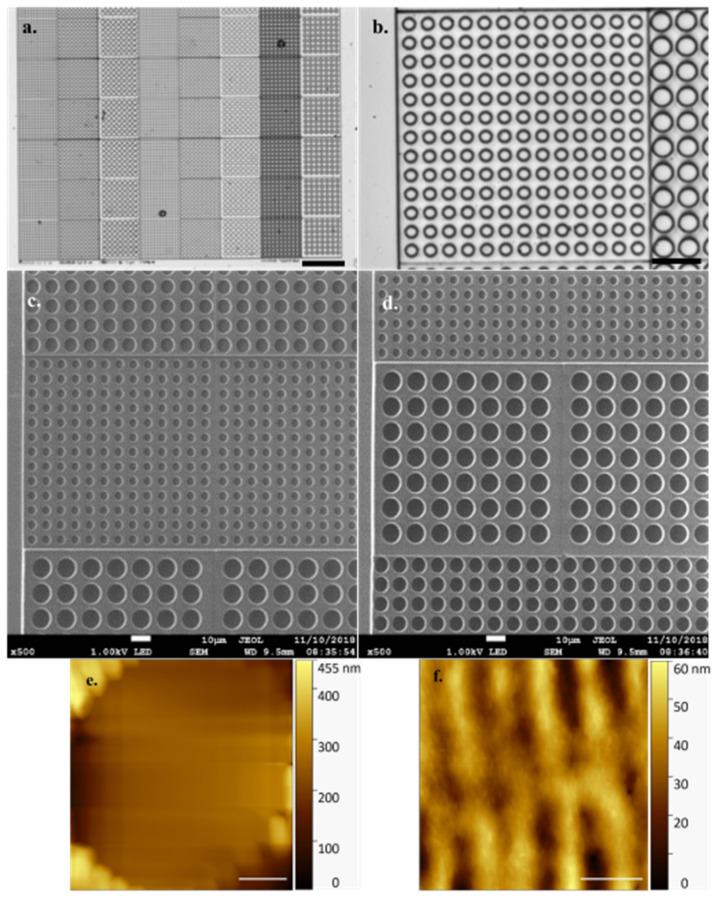
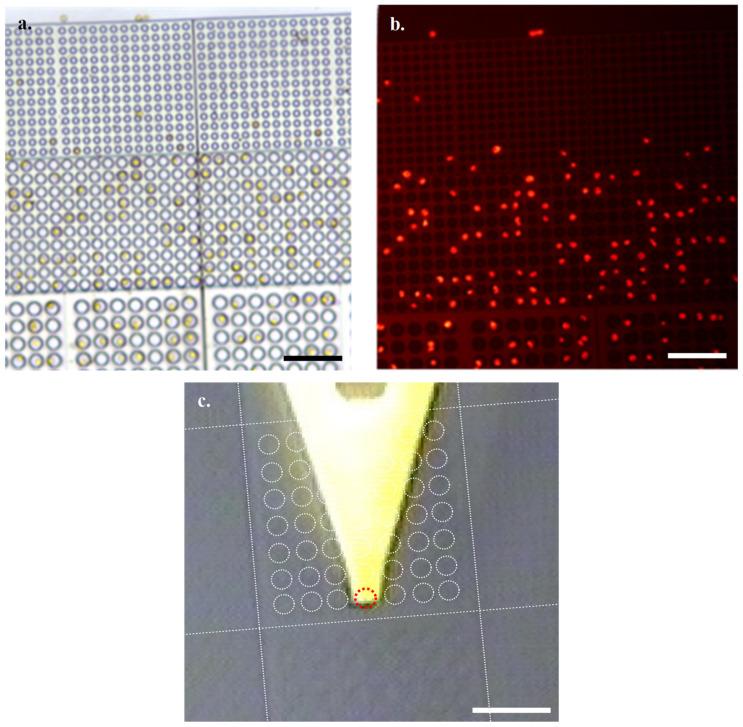
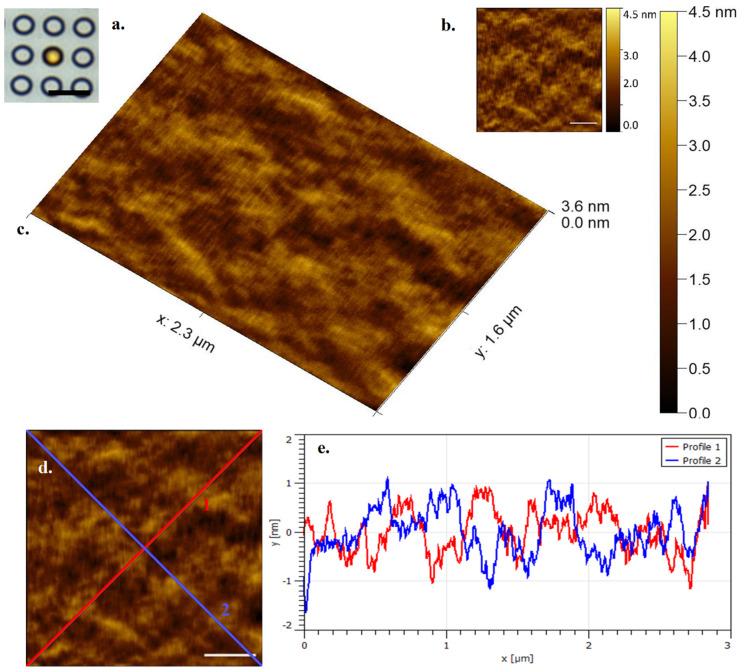
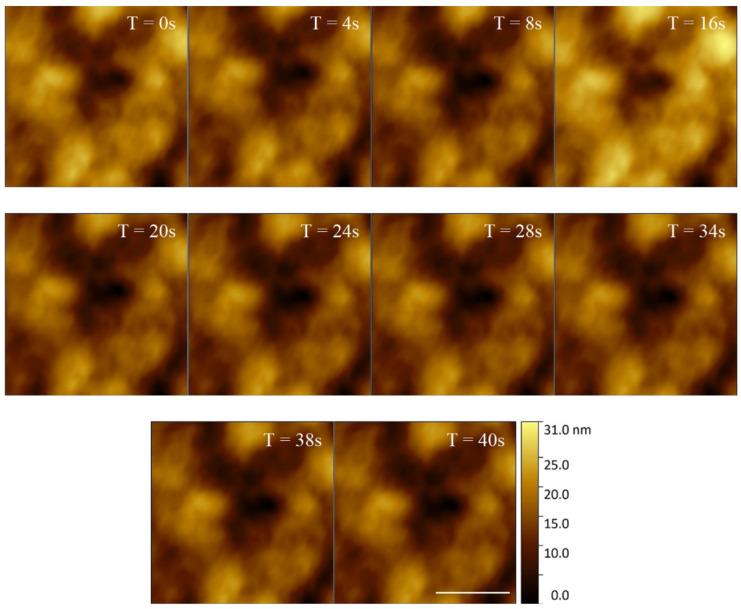
Suitable immobilisation of microorganisms and single cells is key for high-resolution topographical imaging and study of mechanical properties with atomic force microscopy (AFM) under physiologically relevant conditions. Sample preparation techniques must be able to withstand the forces exerted by the Z range-limited cantilever tip, and not negatively affect the sample surface for data acquisition. Here, we describe an inherently flexible methodology, utilising the high-resolution three-dimensional based printing technique of multiphoton polymerisation to rapidly generate bespoke arrays for cellular AFM analysis. As an example, we present data collected from live cells, unicellular microalgae, imaged by contact mode High-Speed Atomic Force Microscopy (HS-AFM), including one cell that was imaged continuously for over 90 min.
在生理相关条件下,对微生物和单细胞进行适当固定是利用原子力显微镜(AFM)进行高分辨率形貌成像和机械性能研究的关键。样品制备技术必须能够承受Z范围受限的悬臂尖端施加的力,并且不会对用于数据采集的样品表面产生负面影响。在此,我们描述了一种本质上灵活的方法,利用基于多光子聚合的高分辨率三维打印技术,快速生成用于细胞AFM分析的定制阵列。作为一个例子,我们展示了通过接触模式高速原子力显微镜(HS-AFM)对活细胞、单细胞微藻成像收集的数据,包括一个连续成像超过90分钟的细胞。
 Zotero 插件