
黄酮类化合物在癌症中的特征
The Hallmarks of Flavonoids in Cancer.
机构信息
Multidisciplinary Laboratory of Food and Health (LabMAS), School of Applied Sciences (FCA), University of Campinas (UNICAMP), Limeira, São Paulo 13484-350, Brazil.
Laboratory of Signal Mechanisms (LMS), School of Pharmaceutical Sciences (FCF), University of Campinas (UNICAMP), Campinas, São Paulo 13083-871, Brazil.
出版信息
Molecules. 2021 Apr 2;26(7):2029. doi: 10.3390/molecules26072029.
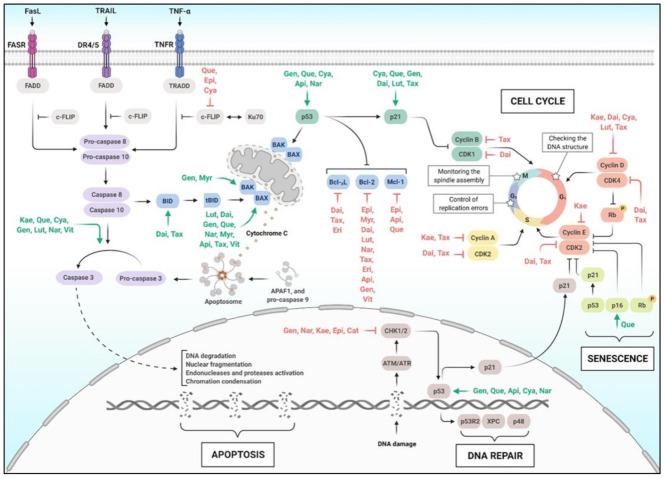
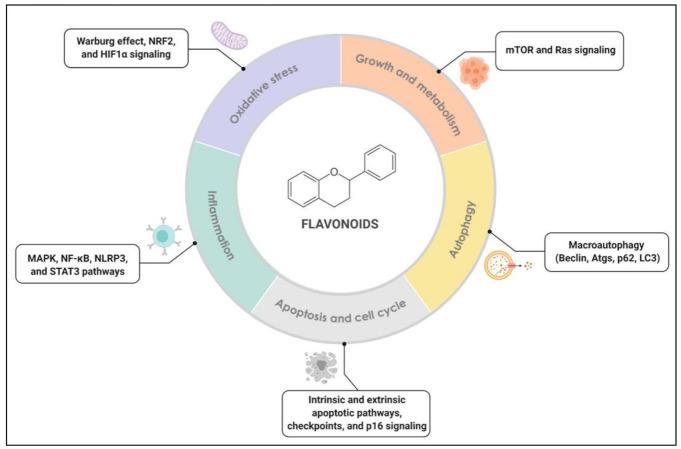
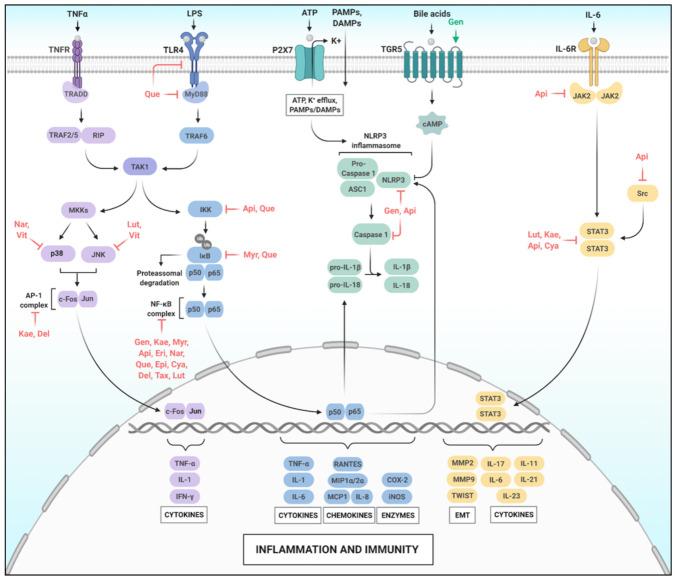
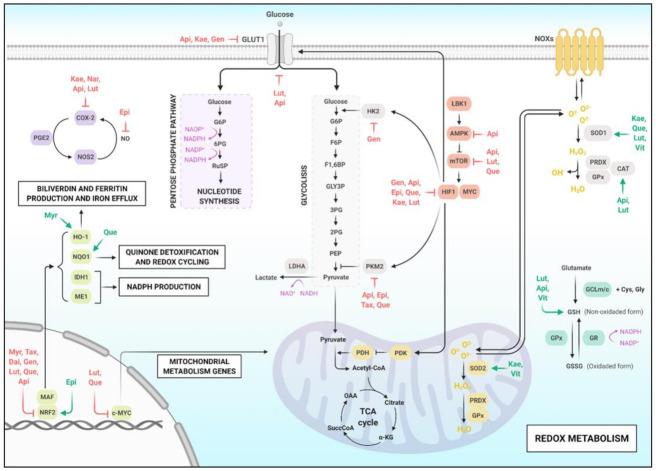
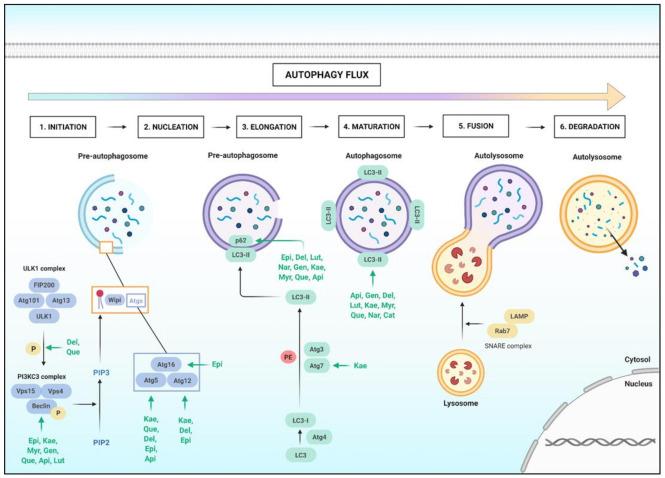
Flavonoids represent an important group of bioactive compounds derived from plant-based foods and beverages with known biological activity in cells. From the modulation of inflammation to the inhibition of cell proliferation, flavonoids have been described as important therapeutic adjuvants against several diseases, including diabetes, arteriosclerosis, neurological disorders, and cancer. Cancer is a complex and multifactor disease that has been studied for years however, its prevention is still one of the best known and efficient factors impacting the epidemiology of the disease. In the molecular and cellular context, some of the mechanisms underlying the oncogenesis and the progression of the disease are understood, known as the hallmarks of cancer. In this text, we review important molecular signaling pathways, including inflammation, immunity, redox metabolism, cell growth, autophagy, apoptosis, and cell cycle, and analyze the known mechanisms of action of flavonoids in cancer. The current literature provides enough evidence supporting that flavonoids may be important adjuvants in cancer therapy, highlighting the importance of healthy and balanced diets to prevent the onset and progression of the disease.
类黄酮是一类重要的生物活性化合物,来源于植物性食物和饮料,具有已知的细胞内生物学活性。类黄酮已被描述为多种疾病(包括糖尿病、动脉粥样硬化、神经紊乱和癌症)的重要治疗辅助剂,其作用包括调节炎症到抑制细胞增殖等。癌症是一种复杂的多因素疾病,多年来一直受到研究,但预防仍然是影响疾病流行病学的最著名和有效的因素之一。在分子和细胞层面,癌症发生和疾病进展的一些机制已经被理解,这些机制被称为癌症的标志。在本文中,我们综述了重要的分子信号通路,包括炎症、免疫、氧化还原代谢、细胞生长、自噬、细胞凋亡和细胞周期,并分析了类黄酮在癌症中的已知作用机制。目前的文献提供了足够的证据支持类黄酮可能是癌症治疗的重要辅助剂,突出了健康均衡饮食在预防疾病发生和进展方面的重要性。

 Zotero 插件