
抗阻训练在衰弱和肌肉减少症早期及晚期的益处:一项随机对照研究的系统评价和荟萃分析
Benefits of Resistance Training in Early and Late Stages of Frailty and Sarcopenia: A Systematic Review and Meta-Analysis of Randomized Controlled Studies.
作者信息
Talar Karolina, Hernández-Belmonte Alejandro, Vetrovsky Tomas, Steffl Michal, Kałamacka Ewa, Courel-Ibáñez Javier
机构信息
Faculty of Motor Rehabilitation, University of Physical Education, 31-571 Krakow, Poland.
Human Performance and Sports Science Laboratory, Faculty of Sport Sciences, University of Murcia, 30730 Murcia, Spain.
出版信息
J Clin Med. 2021 Apr 12;10(8):1630. doi: 10.3390/jcm10081630.
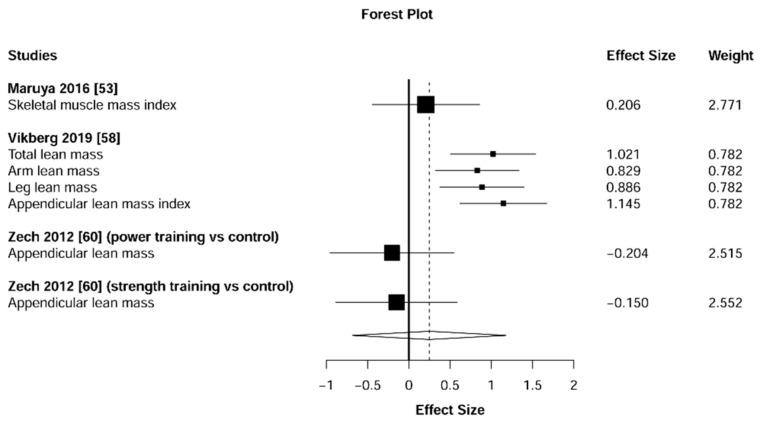
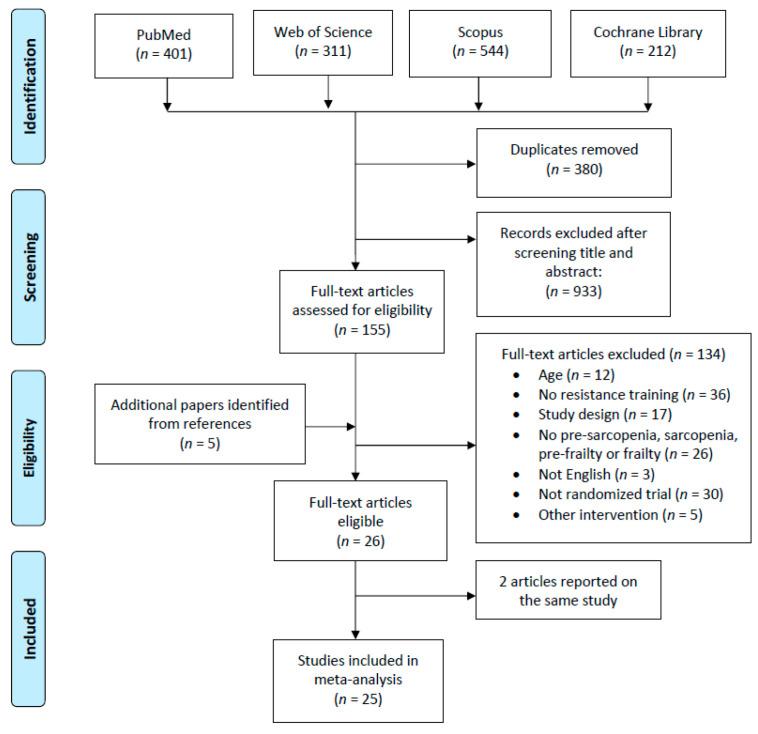
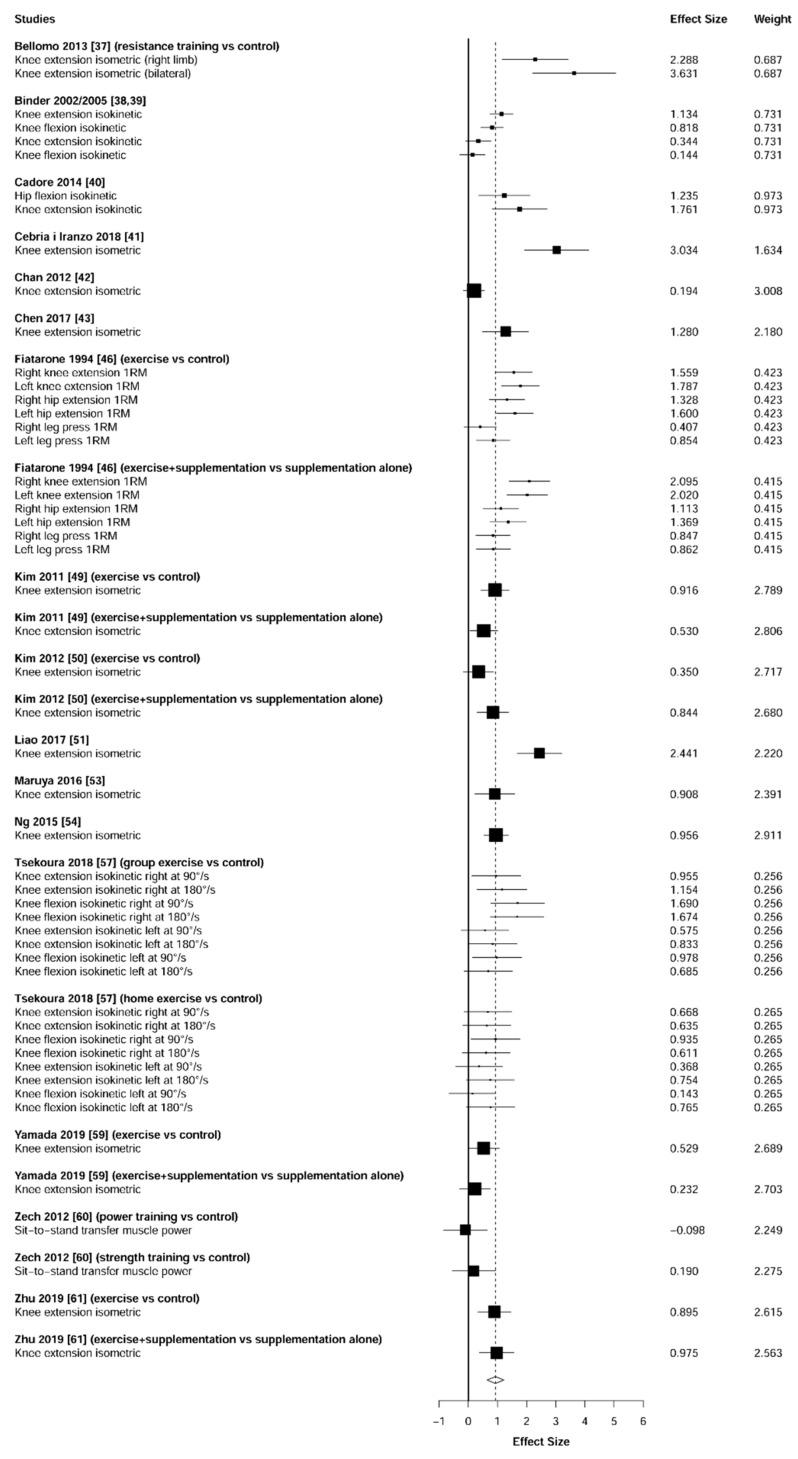
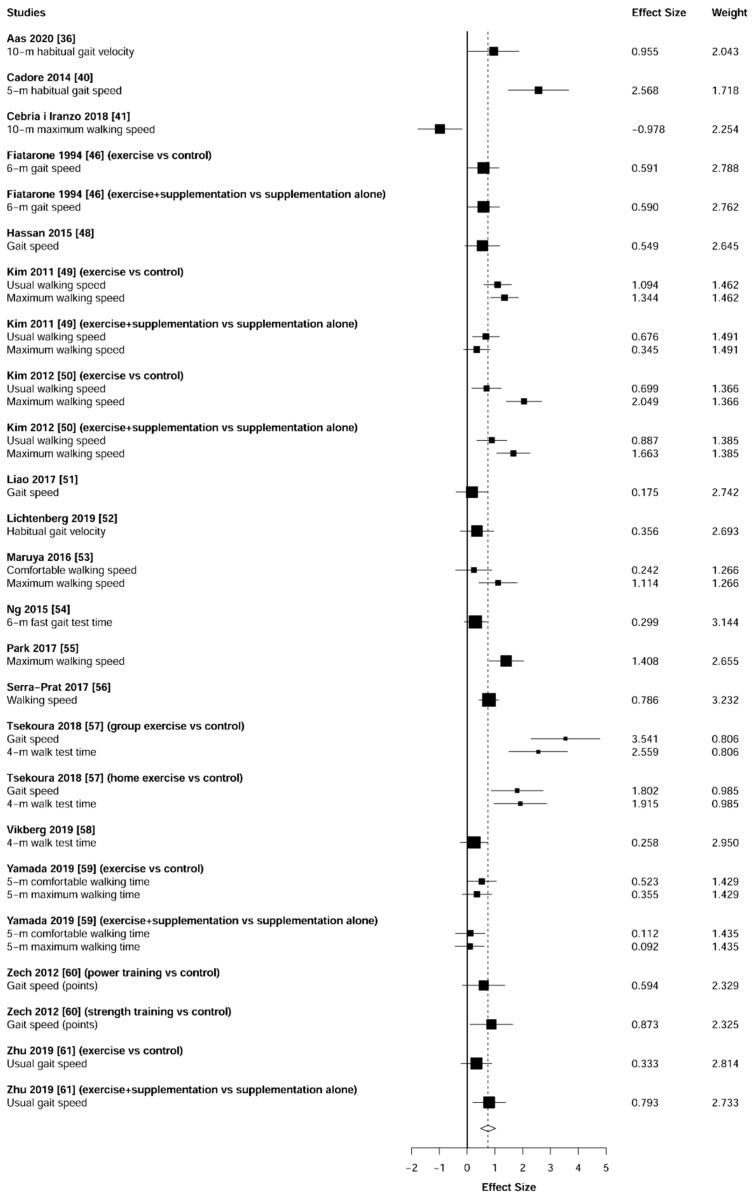
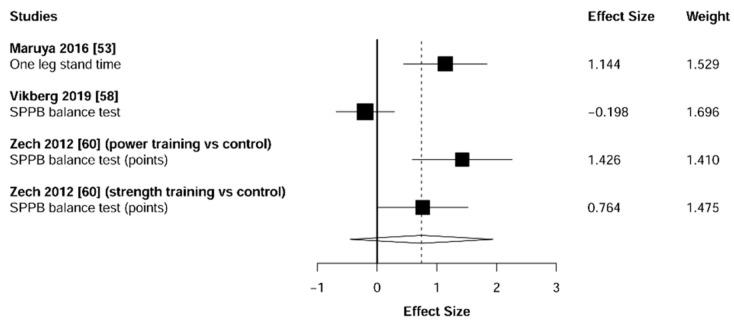
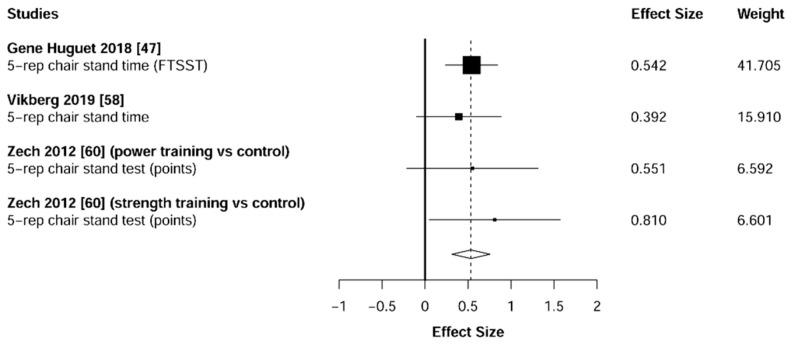
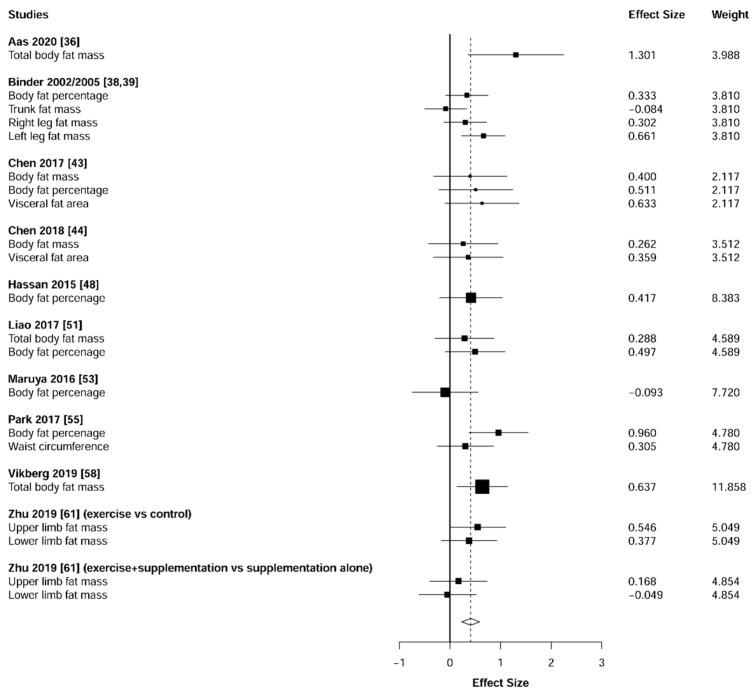
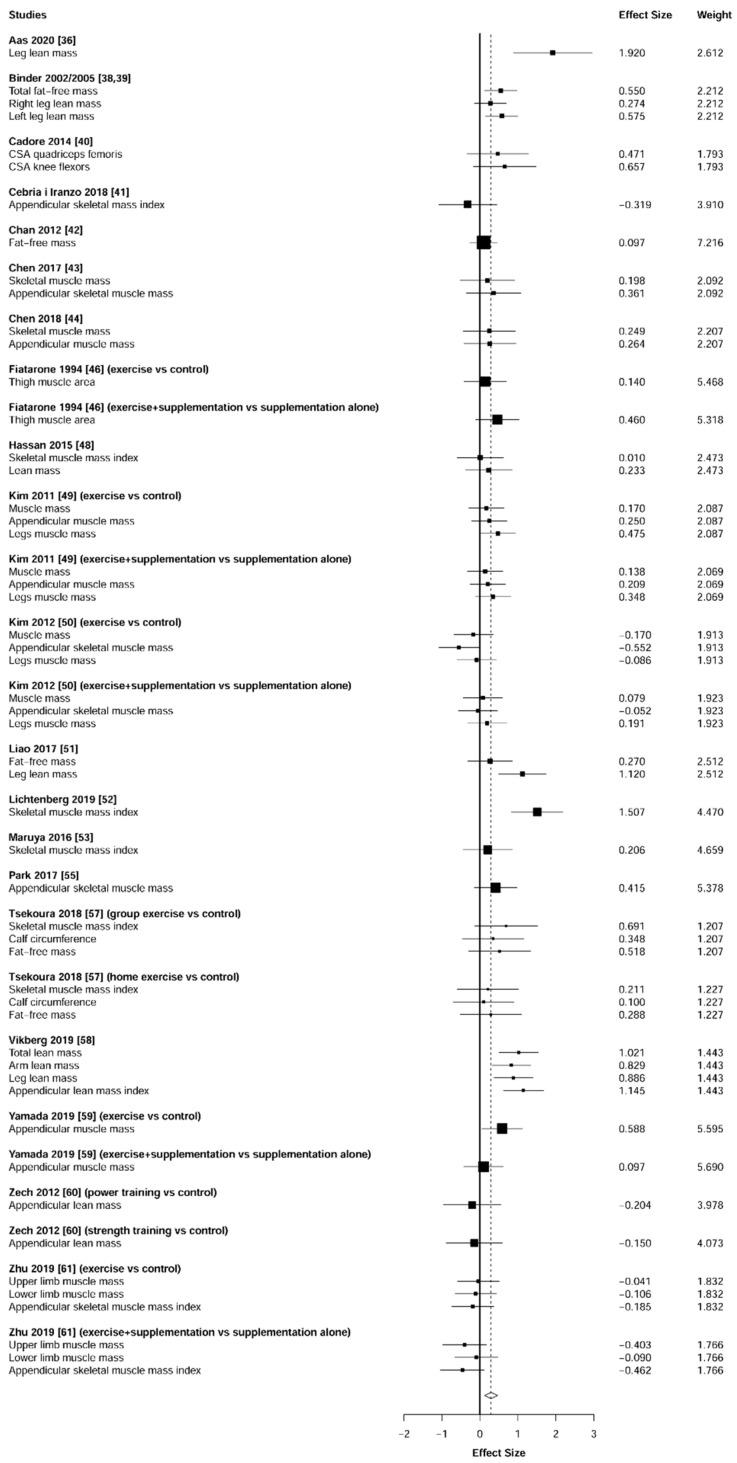
Sarcopenia and frailty are age-related syndromes with negative effects on the quality of life of older people and on public health costs. Although extensive research has been carried out on the effects of physical exercise and physical syndromes, there is a knowledge gap when it comes to the effect of resistance training on muscular strength, physical performance, and body composition at early (prevention) and late (treatment) stages in both syndromes combined. We conducted this systematic review and meta-analysis (CRD42019138253) to gather the evidence of randomized controlled trials examining the effects of resistance training programs lasting ≥8 weeks on strength, physical function, and body composition of adults ≥65 years old diagnosed with pre-sarcopenia, sarcopenia, pre-frailty, or frailty. A search from the earliest record up to and including December 2020 was carried out using the PubMed, Scopus, Web of Science, and Cochrane Library databases. A total of 25 studies ( = 2267 participants) were included. Meta-analysis showed significant changes in favour of resistance training for handgrip (ES = 0.51, = 0.001) and lower-limb strength (ES = 0.93, < 0.001), agility (ES = 0.78, = 0.003), gait speed (ES = 0.75, < 0.001), postural stability (ES = 0.68, = 0.007), functional performance (ES = 0.76, < 0.001), fat mass (ES = 0.41, = 0.001), and muscle mass (ES = 0.29, = 0.002). Resistance training during early stages had positive effects in all variables during early stages (ES > 0.12), being particularly effective in improving gait speed (ES = 0.63, = 0.016) and functional strength (ES = 0.53, = 0.011). Based on these results, resistance training should be considered as a highly effective preventive strategy to delay and attenuate the negative effects of sarcopenia and frailty in both early and late stages.
肌肉减少症和衰弱是与年龄相关的综合征,对老年人的生活质量和公共卫生成本有负面影响。尽管已经对体育锻炼和身体综合征的影响进行了广泛研究,但在两种综合征合并的早期(预防)和晚期(治疗)阶段,抗阻训练对肌肉力量、身体机能和身体成分的影响方面仍存在知识空白。我们进行了这项系统评价和荟萃分析(CRD42019138253),以收集随机对照试验的证据,这些试验考察了持续≥8周的抗阻训练计划对诊断为肌肉减少症前期、肌肉减少症、衰弱前期或衰弱的65岁及以上成年人的力量、身体功能和身体成分的影响。使用PubMed、Scopus、科学网和考克兰图书馆数据库进行了从最早记录到2020年12月(包括该月)的检索。共纳入25项研究(n = 2267名参与者)。荟萃分析显示,抗阻训练有利于握力(效应量=0.51,P = 0.001)、下肢力量(效应量=0.93,P < 0.001)、敏捷性(效应量=0.78,P = 0.003)、步速(效应量=0.75,P < 0.001)、姿势稳定性(效应量=0.68,P = 0.007)、功能表现(效应量=0.76,P < 0.001)、脂肪量(效应量=−0.41,P = 0.001)和肌肉量(效应量=0.29,P = 0.002)的显著变化。早期阶段的抗阻训练在所有早期变量中都有积极影响(效应量>0.12),在改善步速(效应量=0.63,P = 0.016)和功能力量(效应量=0.53,P = 0.011)方面尤其有效。基于这些结果,抗阻训练应被视为一种高度有效的预防策略,以延缓和减轻肌肉减少症和衰弱在早期和晚期的负面影响。







 Zotero 插件