
利用 SWI/SNF 染色质重塑复合物的漏洞进行癌症治疗。
Exploiting vulnerabilities of SWI/SNF chromatin remodelling complexes for cancer therapy.
机构信息
Institute of Pharmaceutical Chemistry, Goethe University Frankfurt, Frankfurt am Main, Germany.
Structural Genomics Consortium (SGC), Buchmann Institute for Molecular Life Sciences (BMLS), Frankfurt am Main, Germany.
出版信息
Oncogene. 2021 May;40(21):3637-3654. doi: 10.1038/s41388-021-01781-x. Epub 2021 May 3.
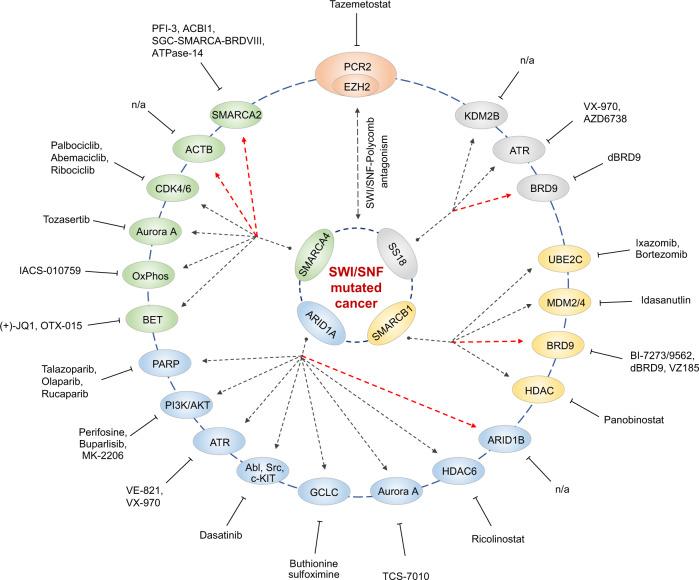
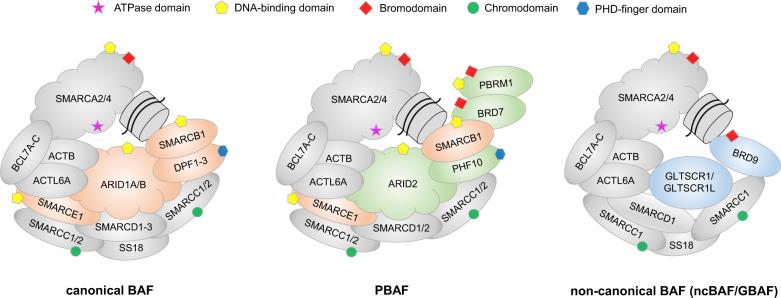
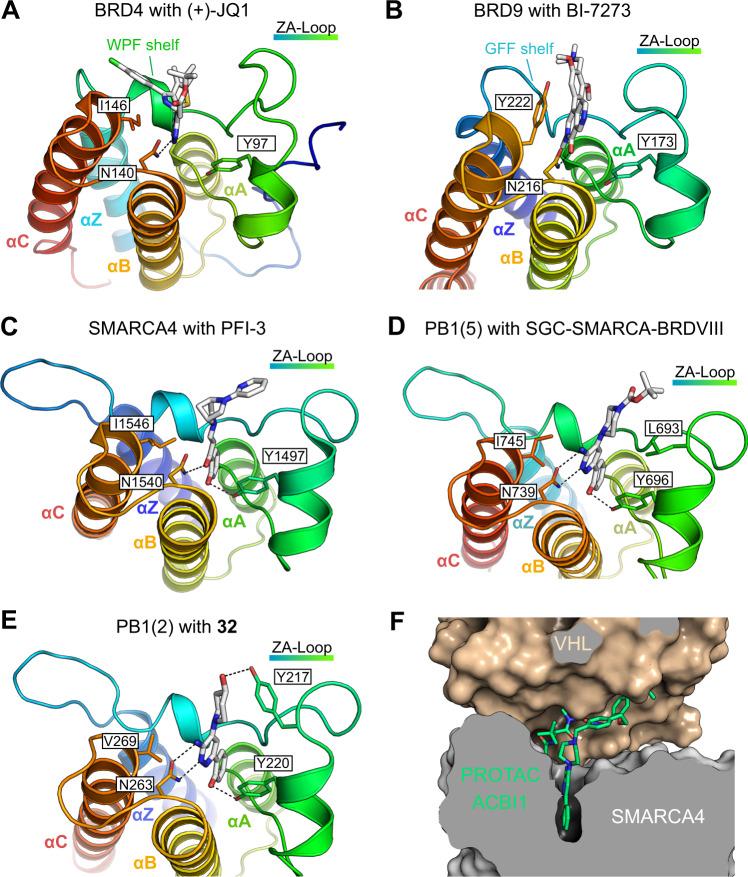
Multi-subunit ATPase-dependent chromatin remodelling complexes SWI/SNF (switch/sucrose non-fermentable) are fundamental epigenetic regulators of gene transcription. Functional genomic studies revealed a remarkable mutation prevalence of SWI/SNF-encoding genes in 20-25% of all human cancers, frequently driving oncogenic programmes. Some SWI/SNF-mutant cancers are hypersensitive to perturbations in other SWI/SNF subunits, regulatory proteins and distinct biological pathways, often resulting in sustained anticancer effects and synthetic lethal interactions. Exploiting these vulnerabilities is a promising therapeutic strategy. Here, we review the importance of SWI/SNF chromatin remodellers in gene regulation as well as mechanisms leading to assembly defects and their role in cancer development. We will focus in particular on emerging strategies for the targeted therapy of SWI/SNF-deficient cancers using chemical probes, including proteolysis targeting chimeras, to induce synthetic lethality.
多亚基 ATP 依赖性染色质重塑复合物 SWI/SNF(转换/蔗糖非发酵)是基因转录的基本表观遗传调节剂。功能基因组研究表明,SWI/SNF 编码基因在所有人类癌症中的突变率高达 20-25%,经常驱动致癌程序。一些 SWI/SNF 突变型癌症对其他 SWI/SNF 亚基、调节蛋白和不同的生物学途径的干扰非常敏感,通常导致持续的抗癌作用和合成致死相互作用。利用这些弱点是一种很有前途的治疗策略。在这里,我们回顾了 SWI/SNF 染色质重塑因子在基因调控中的重要性,以及导致组装缺陷的机制及其在癌症发展中的作用。我们将特别关注使用化学探针(包括蛋白酶靶向嵌合体)靶向治疗 SWI/SNF 缺陷型癌症的新兴策略,以诱导合成致死。


 Zotero 插件