
摩洛哥塔扎地区传统治疗师用于治疗糖尿病的药用植物的民族植物学调查。
Ethnobotanical Survey of Medicinal Plants Used by Traditional Healers to Treat Diabetes in the Taza Region of Morocco.
作者信息
Naceiri Mrabti Hanae, Bouyahya Abdelhakim, Naceiri Mrabti Nidal, Jaradat Nidal, Doudach Latifa, Faouzi My El Abbes
机构信息
Laboratory of Pharmacology and Toxicology, Bio Pharmaceutical and Toxicological Analysis Research Team, Faculty of Medicine and Pharmacy, Mohammed V University in Rabat, BP 6203, Rabat, Morocco.
Laboratory of Human Pathologies Biology, Department of Biology, Faculty of Sciences, and Genomic Center of Human Pathologies, Mohammed V University in Rabat, Rabat, Morocco.
出版信息
Evid Based Complement Alternat Med. 2021 Apr 24;2021:5515634. doi: 10.1155/2021/5515634. eCollection 2021.
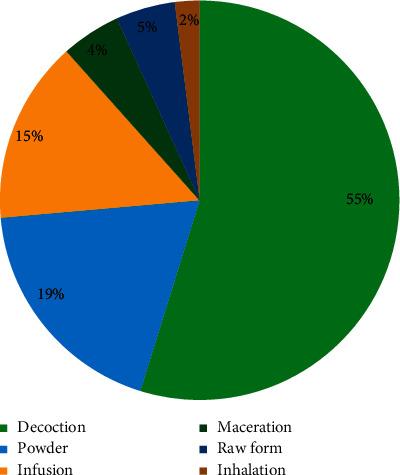
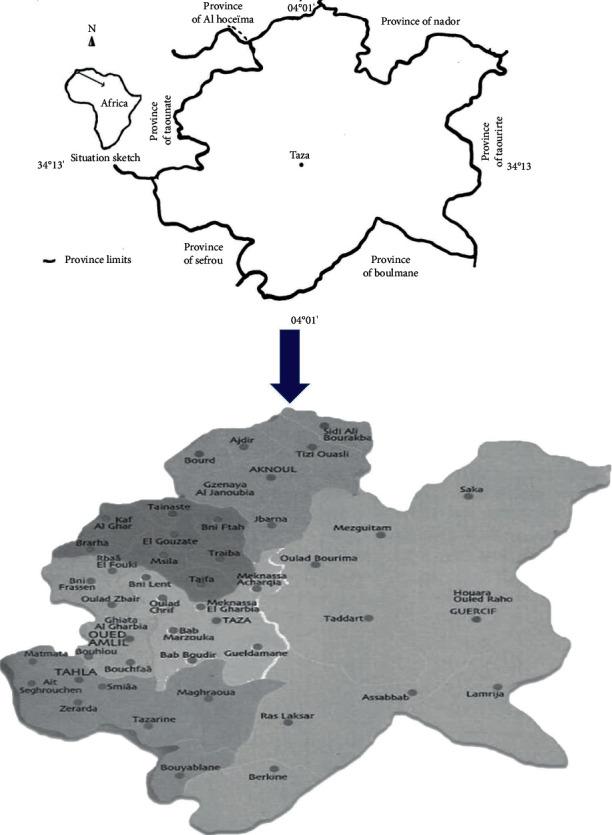
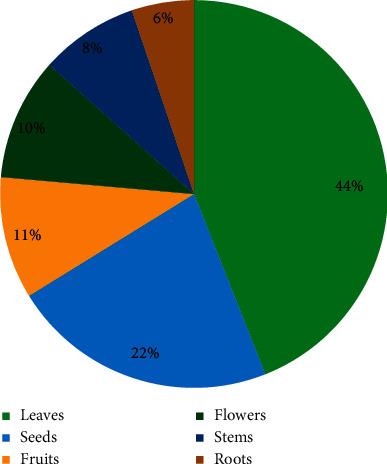
Type 2 diabetes is one of the noncommunicable diseases that is becoming a pandemic in Africa. In Morocco, traditional healers have started to use herbal medicines for the treatment of diabetes either individually or in combination with food. The current study aimed to perform an ethnobiological survey of antidiabetic plants use in the Taza region of Morocco. A total of 193 traditional healers were interviewed using a semistructured questionnaire. Data collected were analyzed utilizing the use value (UV), fidelity level (FL), and relative frequency citation (RFC) indices. Forty-six plant species belonging to 28 families were recorded for the treatment of diabetes in the Taza region of Morocco. The most frequently cited plant species are , , and Lamiaceae, Asteraceae, and Fabaceae were the most reported families. Leaves are the most used part of plants to prepare drugs, the decoction is the preferred mode of preparation, and remedies are often administered orally. Interestingly, and were reported as new medicinal plants used to treat diabetes in the Taza region of Morocco. People in the Taza region still rely on indigenous plants for their basic healthcare needs. Further research should be carried out to validate the antidiabetic effect of the newly reported plant species. This validation can be investigated by the determination of bioactive compounds and evaluation of their and antidiabetic effects.
2型糖尿病是非传染性疾病之一,正在非洲成为一种大流行病。在摩洛哥,传统治疗师已开始使用草药单独或与食物结合治疗糖尿病。本研究旨在对摩洛哥塔扎地区抗糖尿病植物的使用情况进行民族生物学调查。使用半结构化问卷对总共193名传统治疗师进行了访谈。利用使用价值(UV)、保真度水平(FL)和相对频率引用(RFC)指数对收集的数据进行分析。在摩洛哥塔扎地区,记录了属于28个科的46种植物用于治疗糖尿病。最常被引用的植物物种是 , ,以及 。唇形科、菊科和豆科是被报道最多的科。叶子是制备药物时最常用的植物部位,煎煮是首选的制备方式,药物通常口服。有趣的是, 和 被报道为摩洛哥塔扎地区用于治疗糖尿病的新药用植物。塔扎地区的人们仍然依靠本土植物满足其基本医疗保健需求。应开展进一步研究以验证新报道植物物种的抗糖尿病作用。这种验证可以通过测定生物活性化合物并评估其 及 抗糖尿病作用来进行研究。
 Zotero 插件