
美国儿科医生在脊髓性肌萎缩症(SMA)早期临床特征方面的意识筛查和转诊模式。
Awareness screening and referral patterns among pediatricians in the United States related to early clinical features of spinal muscular atrophy (SMA).
机构信息
Cure SMA, 925 Busse Road, Elk Grove Village, IL, 60007, USA.
出版信息
BMC Pediatr. 2021 May 17;21(1):236. doi: 10.1186/s12887-021-02692-2.
BACKGROUND
Spinal Muscular Atrophy (SMA), a leading genetic cause of death in infants, is an autosomal recessive neuromuscular disease characterized by progressive muscle weakness and atrophy. While early diagnosis of SMA is critical to modifying disease progression and improving outcomes, serious diagnostic delays persist. There is a need to improve SMA awareness, screening, and referral patterns.
METHODS
Two online surveys, developed by Cure SMA for general pediatricians, were distributed by Medscape Education via email (September 2018, n = 300, December 2019, n = 600). The surveys asked about adherence to the American Academy of Pediatrics (AAP) developmental screening and surveillance guidelines, comfort with identification of early signs of neuromuscular disease (NMD), familiarity with SMA, and barriers to timely referral.
RESULTS
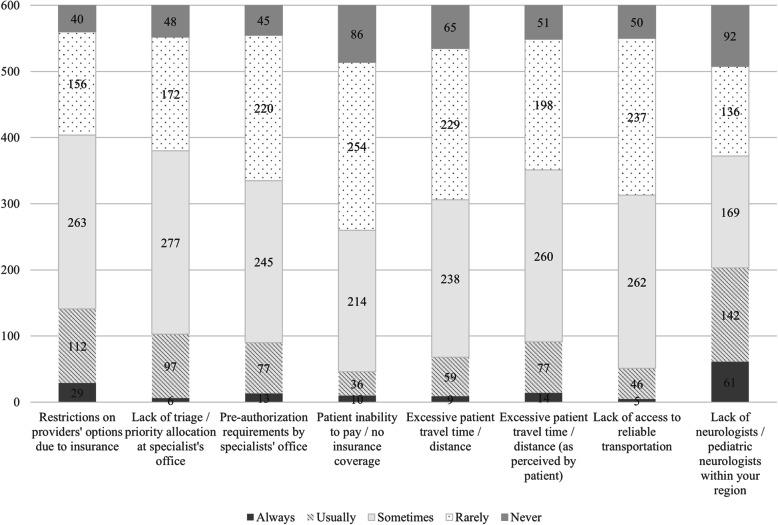
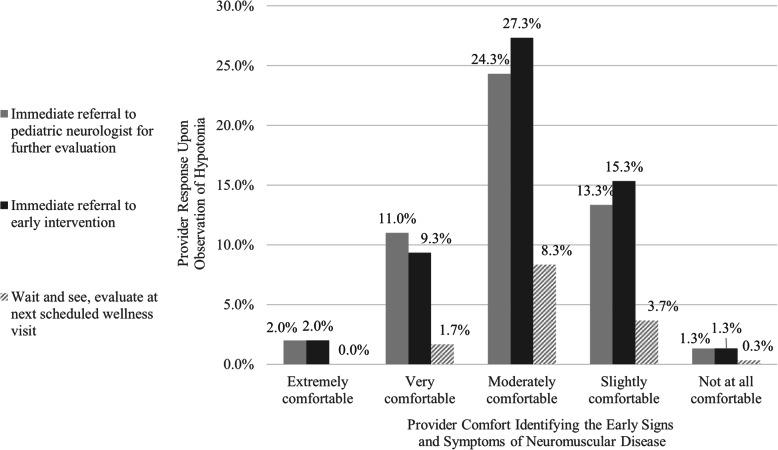
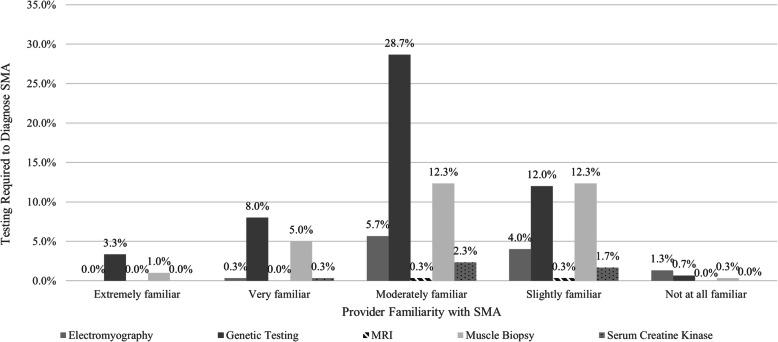
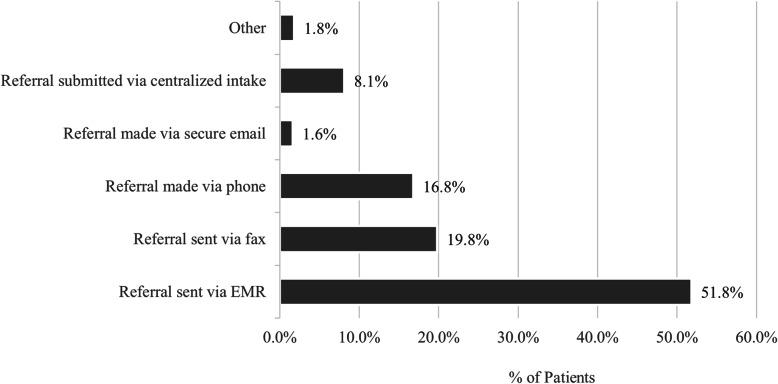
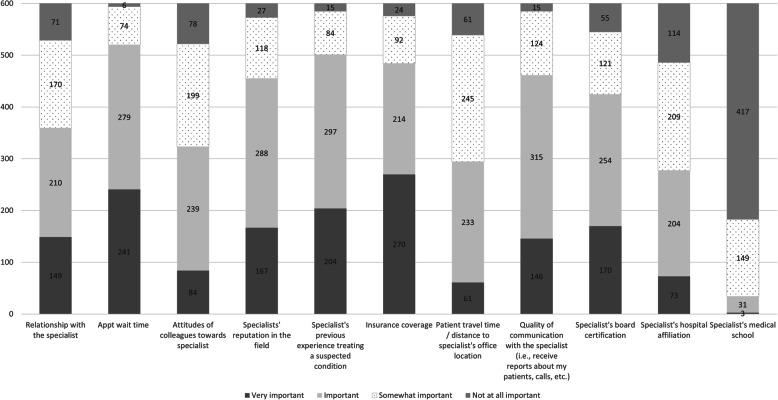
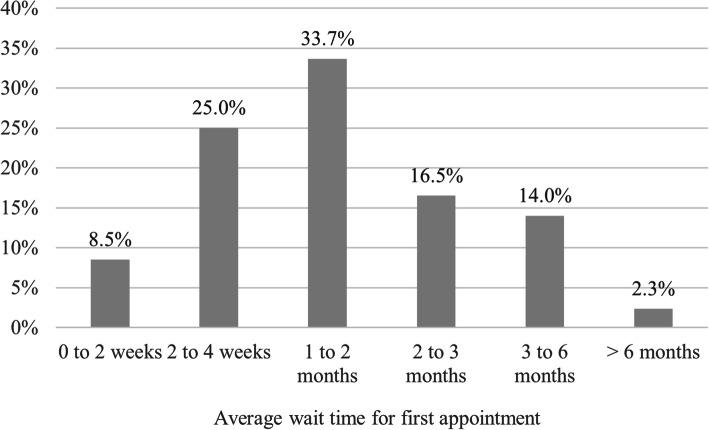
In 2018, 70.3% of survey respondents indicated comfort in identifying early signs of NMD and 67.3% noted familiarity with SMA. 52.7% correctly indicated the need for genetic testing to make a definitive diagnosis of SMA, 74.0% meet or exceed developmental screening recommendations, and 52.0% said they would immediately refer to a specialist. In 2019, with a larger sample, 73.0% adhere to developmental screening guidelines, and awareness of the genetic testing requirement for SMA was significantly lower by 7.7% (p < 0.03). Specialist wait times emerged as a barrier to referral, with 64.2% of respondents citing wait times of 1-6 months.
CONCLUSIONS
Many pediatricians underutilize developmental screening tools and lack familiarity with diagnostic requirements for SMA. Continuing efforts to expand awareness and remove barriers to timely referral to SMA specialists, including reducing appointment wait times, are needed.
背景
脊髓性肌萎缩症(SMA)是导致婴儿死亡的主要遗传原因,是一种常染色体隐性神经肌肉疾病,其特征是进行性肌肉无力和萎缩。虽然早期诊断 SMA 对于改变疾病进展和改善预后至关重要,但仍存在严重的诊断延迟。需要提高对 SMA 的认识、筛查和转诊模式。
方法
由 Cure SMA 为普通儿科医生开发的两项在线调查,通过 Medscape Education 通过电子邮件进行分发(2018 年 9 月,n=300,2019 年 12 月,n=600)。调查询问了对美国儿科学会(AAP)发育筛查和监测指南的依从性、识别神经肌肉疾病早期迹象的舒适度、对 SMA 的熟悉程度以及及时转诊的障碍。
结果
2018 年,70.3%的调查受访者表示对识别神经肌肉疾病的早期迹象感到舒适,67.3%表示熟悉 SMA。52.7%的人正确指出需要进行基因检测以明确诊断 SMA,74.0%符合或超过发育筛查建议,52.0%的人表示他们会立即转介给专家。在 2019 年,样本量更大,73.0%的人遵守发育筛查指南,对 SMA 进行基因检测的认识显著降低了 7.7%(p<0.03)。专家等待时间成为转诊的障碍,64.2%的受访者表示等待时间为 1-6 个月。
结论
许多儿科医生未能充分利用发育筛查工具,对 SMA 的诊断要求也不熟悉。需要继续努力提高认识并消除及时转介 SMA 专家的障碍,包括减少预约等待时间。

 Zotero 插件