
利用斑马鱼遗传模型研究阿尔茨海默病淀粉样-β和神经原纤维缠结途径的病因。
Use of Zebrafish Genetic Models to Study Etiology of the Amyloid-Beta and Neurofibrillary Tangle Pathways in Alzheimer's Disease.
机构信息
School of Health Sciences, Purdue University, West Lafayette, IN, USA.
出版信息
Curr Neuropharmacol. 2022 Mar 4;20(3):524-539. doi: 10.2174/1570159X19666210524155944.
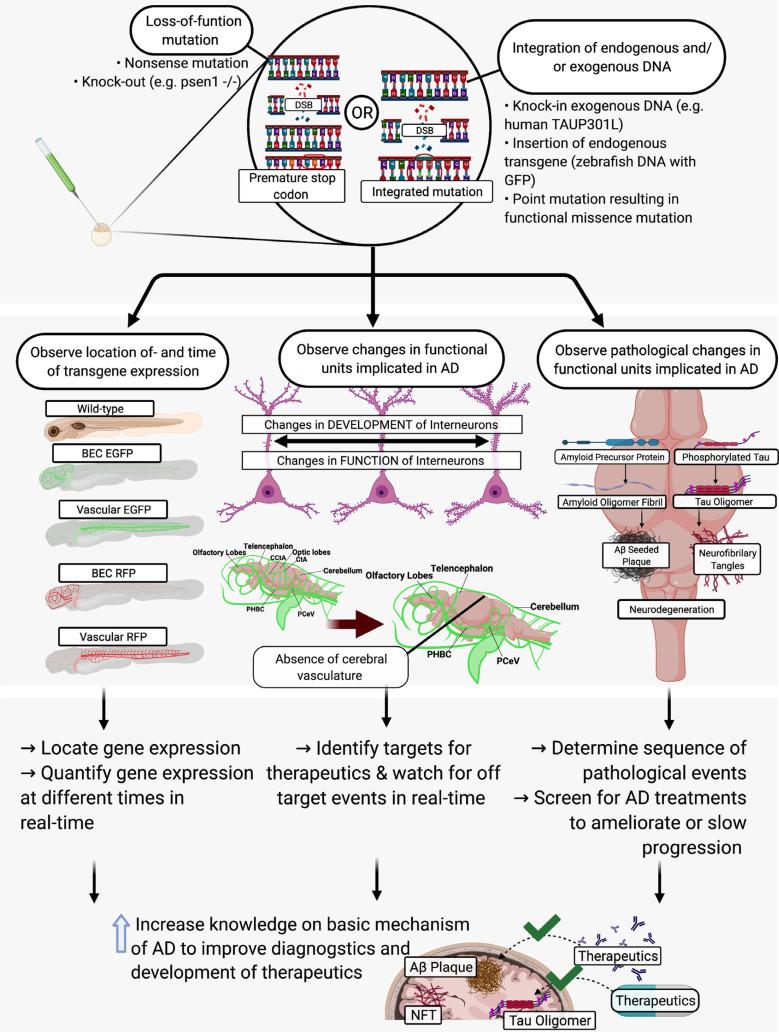
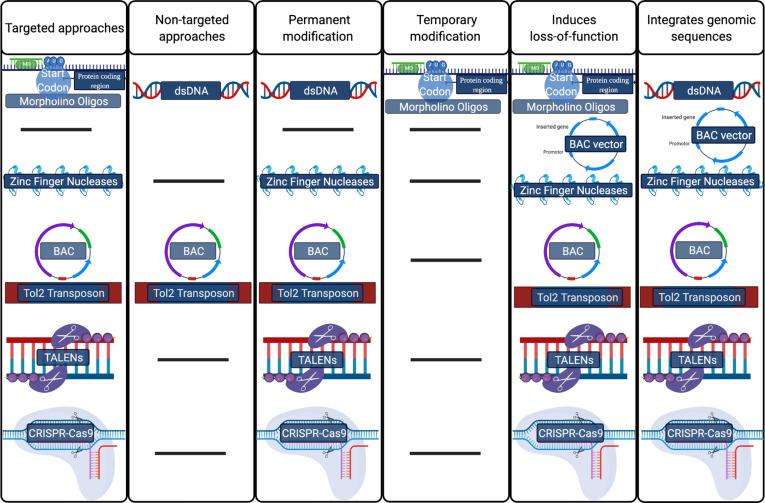
The prevalence of neurodegenerative diseases is increasing globally, with an imperative need to identify and expand the availability of pharmaceutical treatment strategies. Alzheimer's disease is the most common neurodegenerative disease for which there is no cure and limited treatments. Rodent models are primarily used in Alzheimer's disease research to investigate causes, pathology, molecular mechanisms, and pharmaceutical therapies. However, there is a lack of a comprehensive understanding of Alzheimer's disease causes, pathogenesis, and optimal treatments due in part to some limitations of using rodents, including higher economic cost, which can influence sample size and ultimately statistical power. It is necessary to expand our animal model toolbox to provide alternative strategies in Alzheimer's disease research. The zebrafish application in neurodegenerative disease research and neuropharmacology is greatly expanding due to several vital strengths spanning lower economic costs, the smaller size of the organism, a sequenced characterized genome, and well described anatomical structures. These characteristics are coupled to the conserved molecular function and disease pathways in humans. The existence of orthologs for genes associated with Alzheimer's disease in zebrafish is also confirmed. While wild-type zebrafish appear to lack some of the neuropathological features of Alzheimer's disease, the advent of genetic editing technologies has expanded the evaluation of the amyloid and neurofibrillary tangle hypotheses using the zebrafish and exploration of pharmaceutical molecular targets. An overview of how genetic editing technologies are being used on the zebrafish to create models to investigate the causes, pathology, molecular mechanisms, and pharmaceutical targets of Alzheimer's disease is detailed.
神经退行性疾病在全球范围内的发病率不断上升,因此迫切需要确定和扩大药物治疗策略的可及性。阿尔茨海默病是最常见的神经退行性疾病,目前尚无治愈方法,治疗方法也很有限。啮齿动物模型主要用于阿尔茨海默病研究,以研究病因、病理学、分子机制和药物治疗。然而,由于使用啮齿动物存在一些局限性,例如更高的经济成本,这可能会影响样本量,最终影响统计能力,因此人们对阿尔茨海默病的病因、发病机制和最佳治疗方法的认识还不够全面。有必要扩展我们的动物模型工具包,为阿尔茨海默病研究提供替代策略。由于具有经济成本较低、生物体较小、基因组测序和特征描述良好的解剖结构等几个重要优势,斑马鱼在神经退行性疾病研究和神经药理学中的应用正在迅速扩大。这些特征与人类中保守的分子功能和疾病途径相关。在斑马鱼中也证实了与阿尔茨海默病相关基因的同源基因的存在。虽然野生型斑马鱼似乎缺乏阿尔茨海默病的一些神经病理学特征,但基因编辑技术的出现扩展了使用斑马鱼评估淀粉样蛋白和神经原纤维缠结假说以及探索药物分子靶点的范围。本文详细介绍了如何在斑马鱼上使用基因编辑技术来创建模型,以研究阿尔茨海默病的病因、病理学、分子机制和药物靶点。
 Zotero 插件