
叶菊降压汤治疗高血压的网络药理学预测及药理验证机制
Network Pharmacology Prediction and Pharmacological Verification Mechanism of Yeju Jiangya Decoction on Hypertension.
作者信息
Wang Ting, He Mao, Du Yuzhong, Chen Suhong, Lv Guiyuan
机构信息
College of Pharmaceutical Sciences, Zhejiang Chinese Medical University, Hangzhou 310053, China.
School of Medicine, Taizhou University, Taizhou, Zhejiang 318000, China.
出版信息
Evid Based Complement Alternat Med. 2021 May 10;2021:5579129. doi: 10.1155/2021/5579129. eCollection 2021.
BACKGROUND
Yeju Jiangya decoction (CIF) is an herbal formula from traditional Chinese medicine (TCM) for the treatment of hypertension.
MATERIALS AND METHODS
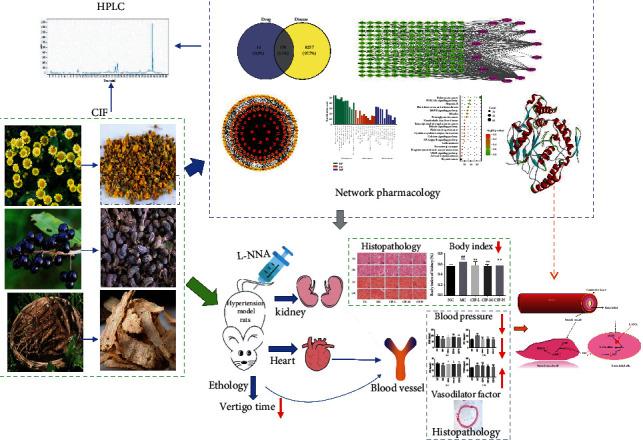
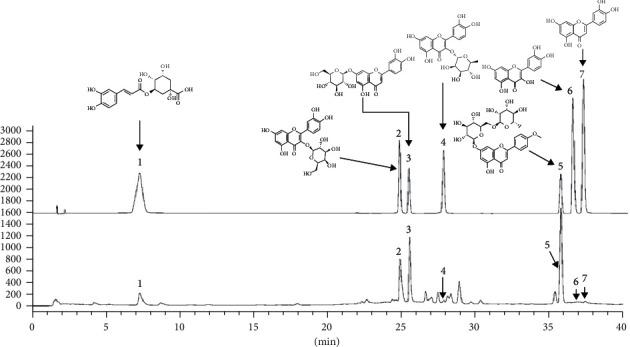
Based on the analysis of network pharmacology, combined with in animal experiments, the network pharmacology was used to explore the potential proteins and mechanisms of CIF against hypertension. The bioactive compounds of CIF were screened by using the platform, and the targets of hypertension and CIF were collected. Then, the Kyoto Encyclopedia of Genes and Genomes (KEGG) and protein-protein interaction network (PPI) core targets were carried out, and the useful proteins were found by molecular docking technology. Finally, we used N-nitro-L-arginine (L-NNA) induced hypertension model rats to confirm the effect and mechanism of CIF on hypertension.
RESULTS
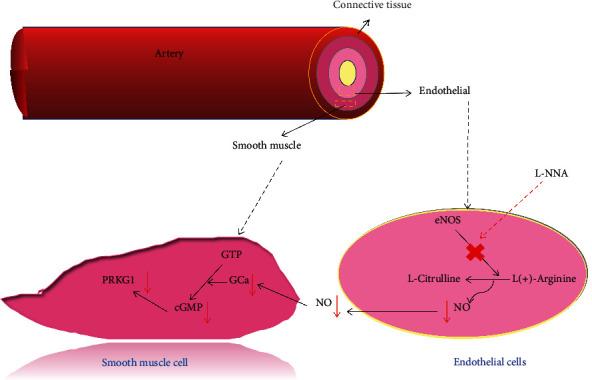
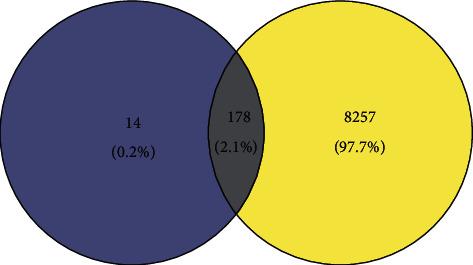
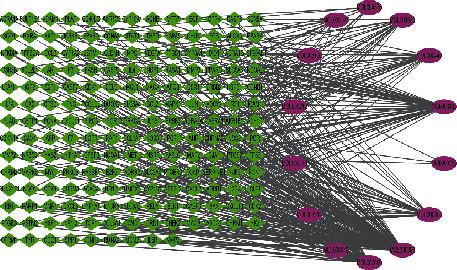
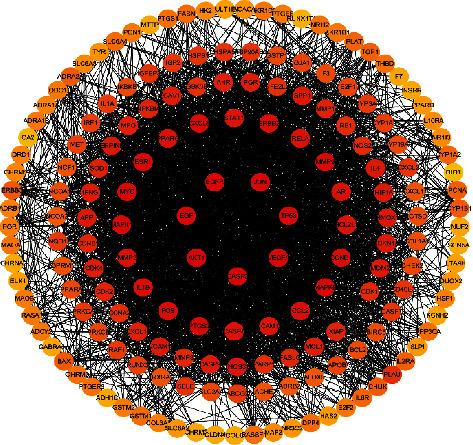
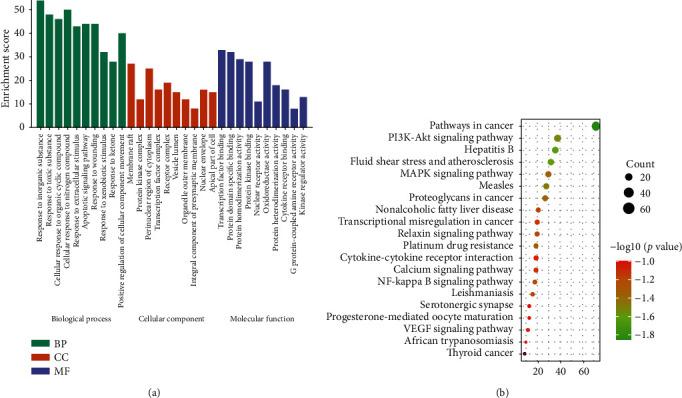
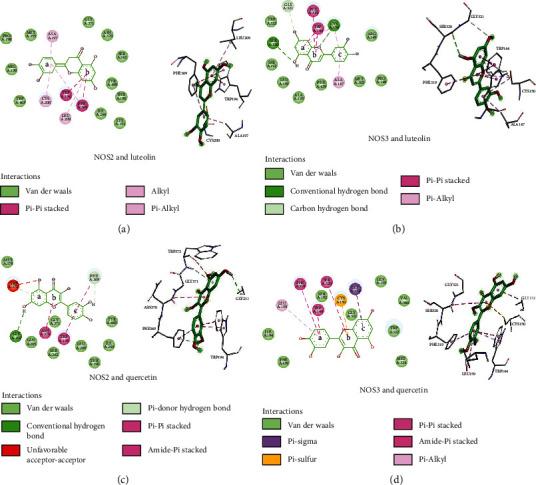
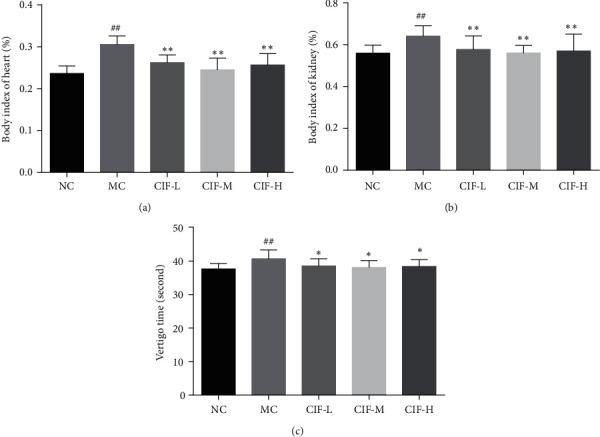
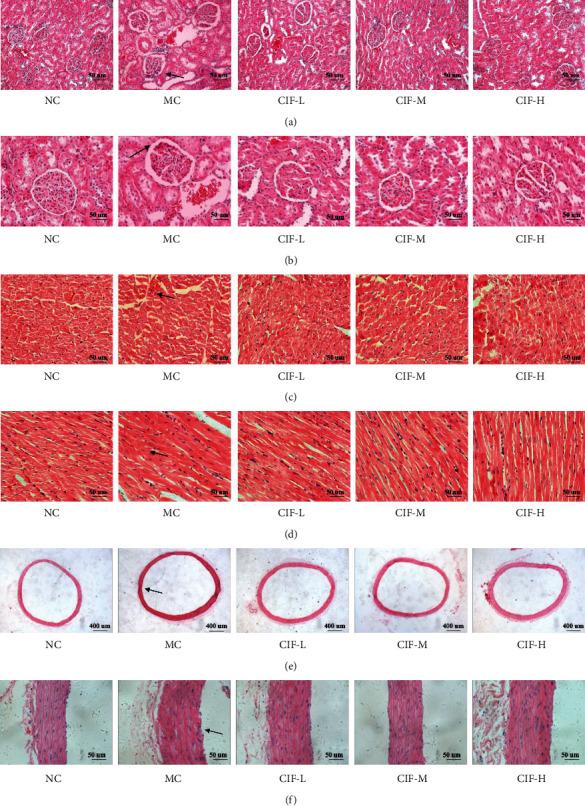
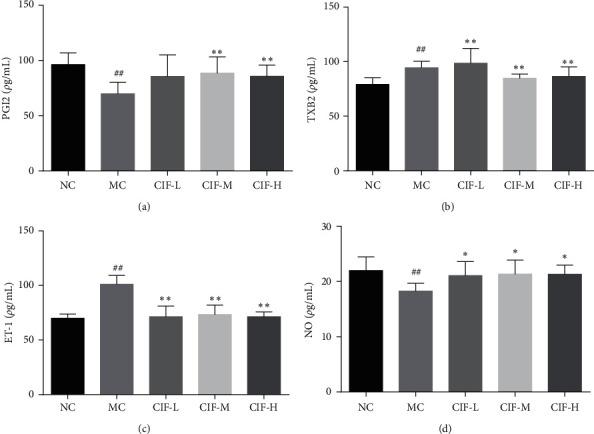
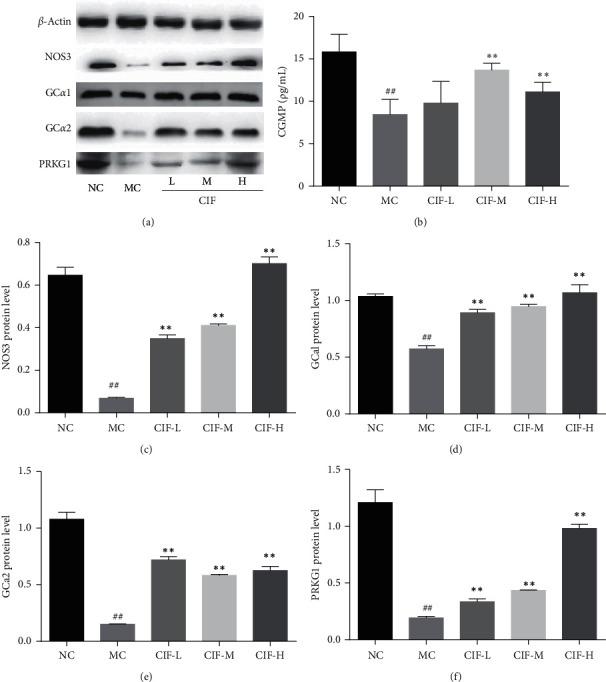
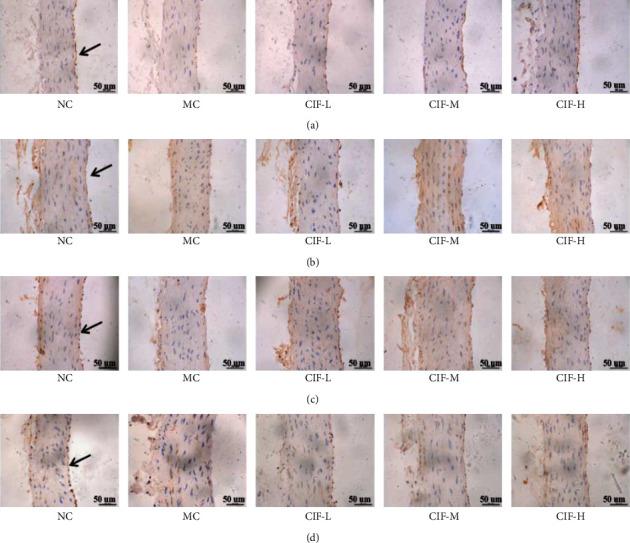
14 bioactive compounds of CIF passed the virtual screening criteria, and 178 overlapping targets were identified as core targets of CIF against hypertension. The CIF-related target network with 178 nodes and 344 edges is constructed. The topological results show that quercetin and luteolin are the key components in the network. The key targets NOS3 (nitric oxide synthase 3) and NOS2 (nitric oxide synthase 2) were screened by the protein-protein interaction network. The analysis of target protein pathway enrichment showed that the accumulation pathway is related to the vascular structure of CIF regulation of hypertension. Further verification based on molecular docking results showed that NOS3 had the good binding ability with quercetin and luteolin. On the other hand, NOS3 has an important relationship with the composition of blood vessels. Furthermore, the animal experiment indicated that after the L-NNA-induced hypertension rat model was established, CIF intervention was given by gavage for 3 weeks, and it can decrease serum concentrations of endothelin-1 (ET-1) and thromboxane B2 (TXB), increase the expression of nitric oxide (NO) and prostacyclin 2 (PGI), and improve renal, cardiac, and aortic lesions. At the same time, it can reduce blood pressure and shorten vertigo time. Western blot (WB) and immunohistochemistry (IHC) analyses indicated that CIF may downregulate the expression of NOS3, guanylyl cyclase-alpha 1 (GC-1), guanylyl cyclase-alpha 2 (GC-2), and protein kinase CGMP-dependent 1 (PRKG1). These results suggest that CIF may play an antihypertensive role by inhibiting the activation of the NOS3/PRKG1 pathway.
CONCLUSIONS
The results of this study indicate that CIF has the ability to improve target organs, protect endothelial function, and reduce blood pressure and that CIF might be a potential therapeutic drug for the prevention of hypertension. It provides new insight into hypertension and the potential biological basis and mechanism for CIF clinical research.
背景
野菊降压汤(CIF)是一种用于治疗高血压的中药方剂。
材料与方法
基于网络药理学分析,结合动物实验,运用网络药理学探索CIF抗高血压的潜在蛋白及机制。利用该平台筛选CIF的生物活性成分,收集高血压及CIF的靶点。然后,进行京都基因与基因组百科全书(KEGG)和蛋白质-蛋白质相互作用网络(PPI)核心靶点分析,通过分子对接技术找出有用蛋白。最后,用N-硝基-L-精氨酸(L-NNA)诱导的高血压模型大鼠来证实CIF对高血压的作用及机制。
结果
CIF的14种生物活性成分通过虚拟筛选标准,178个重叠靶点被确定为CIF抗高血压的核心靶点。构建了具有178个节点和344条边的CIF相关靶点网络。拓扑结果显示槲皮素和木犀草素是网络中的关键成分。通过蛋白质-蛋白质相互作用网络筛选出关键靶点一氧化氮合酶3(NOS3)和一氧化氮合酶2(NOS2)。靶点蛋白通路富集分析表明,积累通路与CIF调节高血压的血管结构有关。基于分子对接结果的进一步验证表明,NOS3与槲皮素和木犀草素具有良好的结合能力。另一方面,NOS3与血管组成有重要关系。此外,动物实验表明,建立L-NNA诱导的高血压大鼠模型后,通过灌胃给予CIF干预3周,可降低血清内皮素-1(ET-1)和血栓素B2(TXB)浓度,增加一氧化氮(NO)和前列环素2(PGI)的表达,改善肾脏、心脏和主动脉病变。同时,可降低血压,缩短眩晕时间。蛋白质印迹法(WB)和免疫组织化学法(IHC)分析表明,CIF可能下调NOS3、鸟苷酸环化酶α1(GC-1)、鸟苷酸环化酶α2(GC-2)和蛋白激酶CGMP依赖性1(PRKG1)的表达。这些结果表明,CIF可能通过抑制NOS3/PRKG1通路的激活发挥降压作用。
结论
本研究结果表明,CIF具有改善靶器官、保护内皮功能和降低血压的能力,可能是预防高血压的潜在治疗药物。它为高血压以及CIF临床研究的潜在生物学基础和机制提供了新的见解。

 Zotero 插件