
靶向核心凋亡机制的治疗方法。
Therapeutics Targeting the Core Apoptotic Machinery.
作者信息
Hamilton Claudia, Fox Jennifer P, Longley Daniel B, Higgins Catherine A
机构信息
Patrick G. Johnston Centre for Cancer Research, Queens University, Belfast BT9 7BL, UK.
出版信息
Cancers (Basel). 2021 May 26;13(11):2618. doi: 10.3390/cancers13112618.
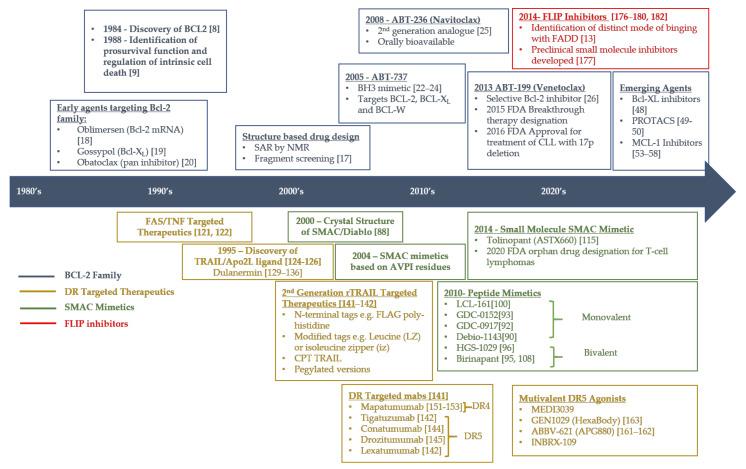
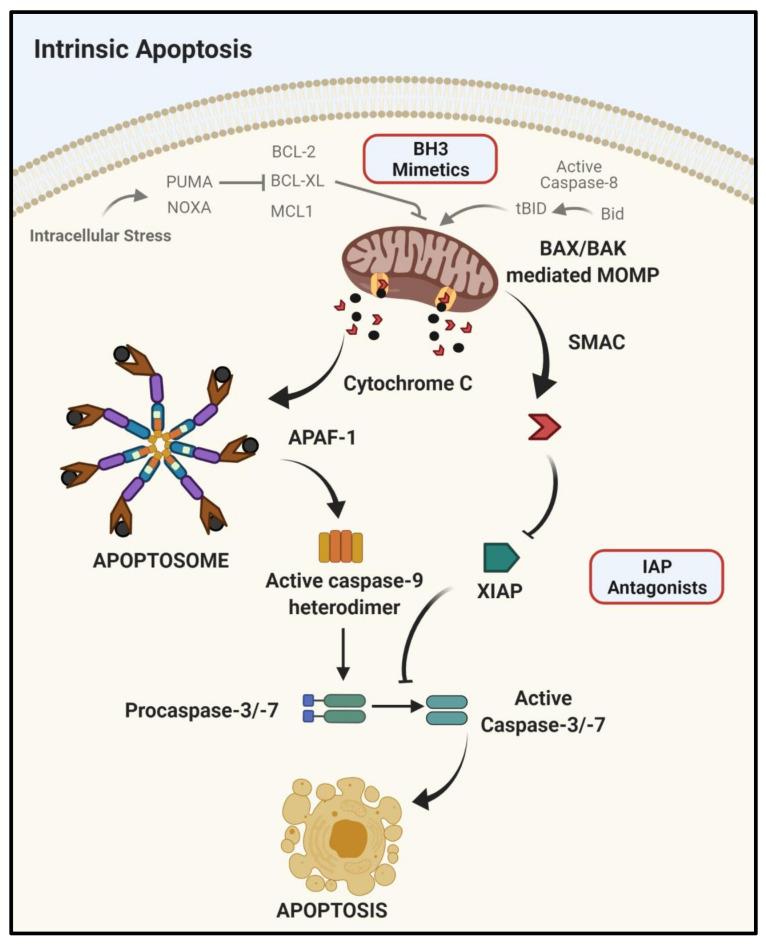
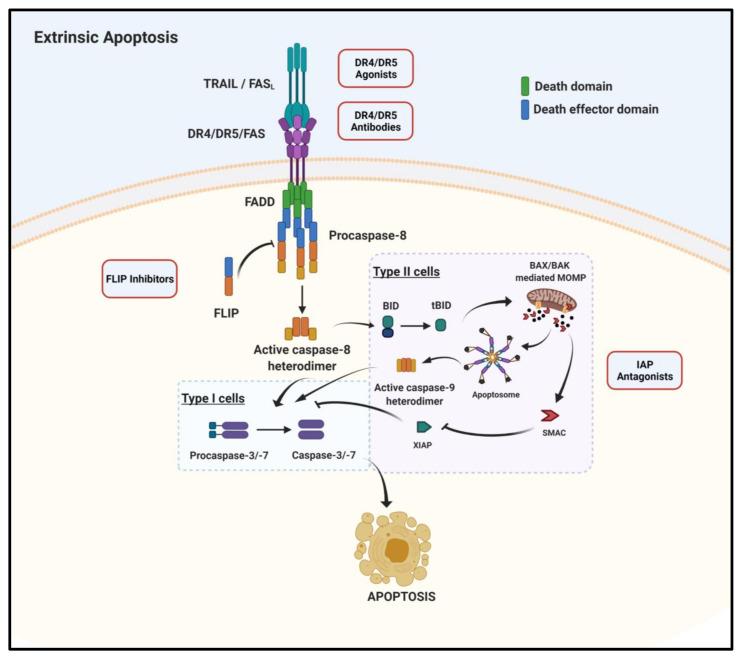
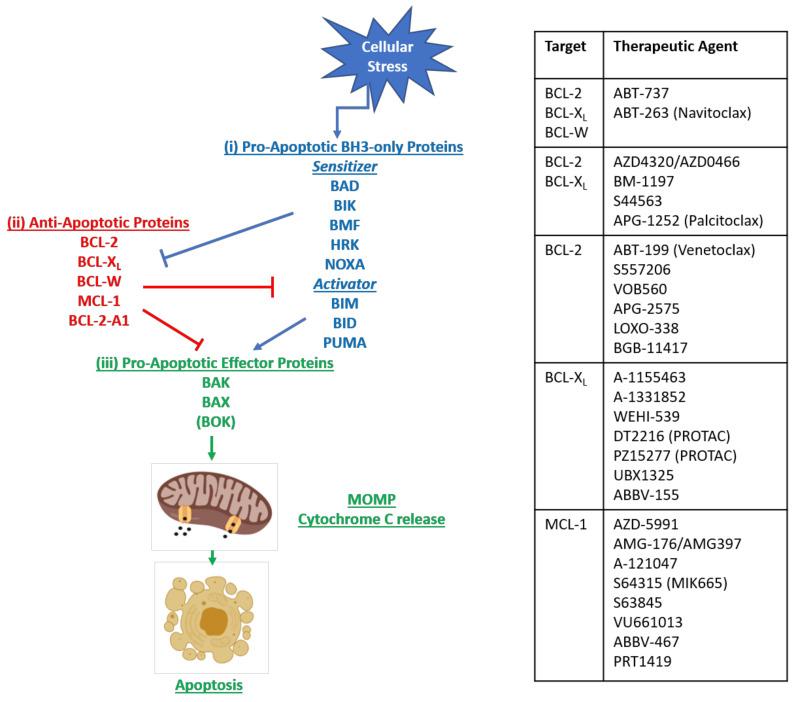
Therapeutic targeting of the apoptotic pathways for the treatment of cancer is emerging as a valid and exciting approach in anti-cancer therapeutics. Accumulating evidence demonstrates that cancer cells are typically "addicted" to a small number of anti-apoptotic proteins for their survival, and direct targeting of these proteins could provide valuable approaches for directly killing cancer cells. Several approaches and agents are in clinical development targeting either the intrinsic mitochondrial apoptotic pathway or the extrinsic death receptor mediated pathways. In this review, we discuss the main apoptosis pathways and the key molecular targets which are the subject of several drug development approaches, the clinical development of these agents and the emerging resistance factors and combinatorial treatment approaches for this class of agents with existing and emerging novel targeted anti-cancer therapeutics.
将凋亡途径作为癌症治疗的靶点,正成为抗癌治疗中一种有效且令人兴奋的方法。越来越多的证据表明,癌细胞通常依赖少数抗凋亡蛋白来维持生存,直接靶向这些蛋白可为直接杀死癌细胞提供有价值的方法。目前有几种方法和药物正处于临床开发阶段,它们靶向内在的线粒体凋亡途径或外在的死亡受体介导途径。在这篇综述中,我们讨论了主要的凋亡途径和关键分子靶点,这些是几种药物开发方法的主题,还讨论了这些药物的临床开发情况,以及这类药物与现有和新出现的新型靶向抗癌疗法联合使用时出现的耐药因素和联合治疗方法。
 Zotero 插件