
S-Equol 可减轻与 HIV-1 相关的动机缺陷和失调。
S-Equol mitigates motivational deficits and dysregulation associated with HIV-1.
机构信息
Program in Behavioral Neuroscience, Department of Psychology, Barnwell College, University of South Carolina, 1512 Pendleton Street, Columbia, SC, 29208, USA.
出版信息
Sci Rep. 2021 Jun 4;11(1):11870. doi: 10.1038/s41598-021-91240-0.
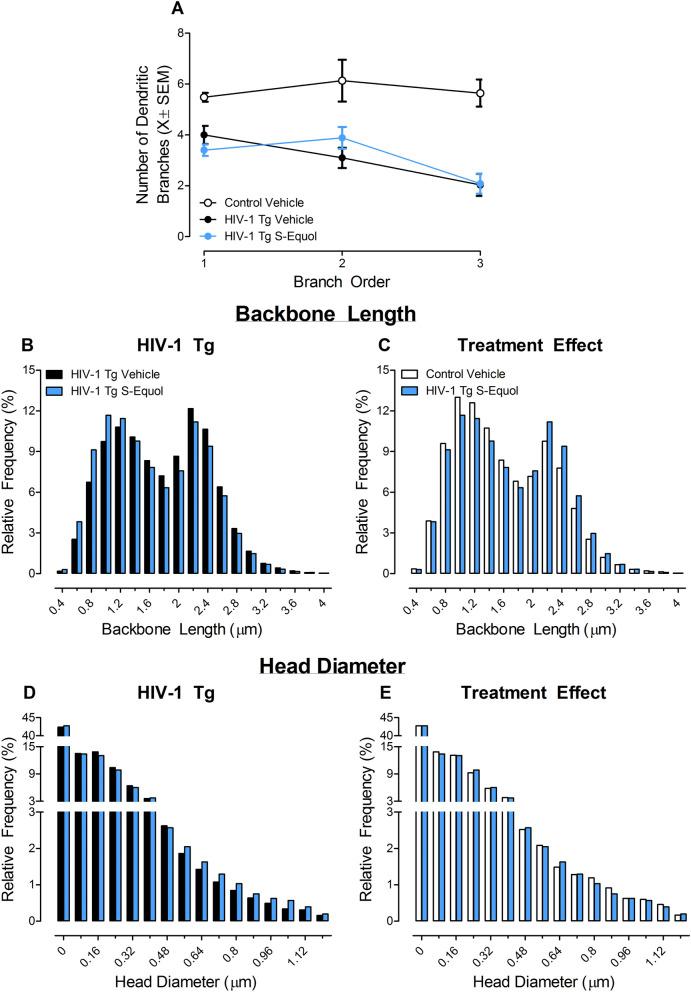
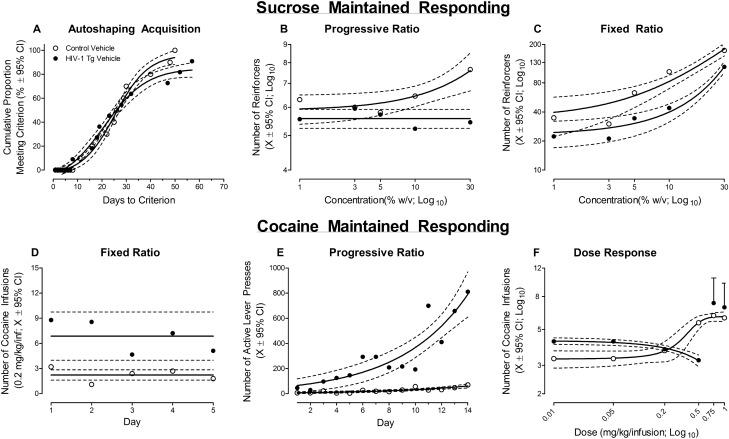
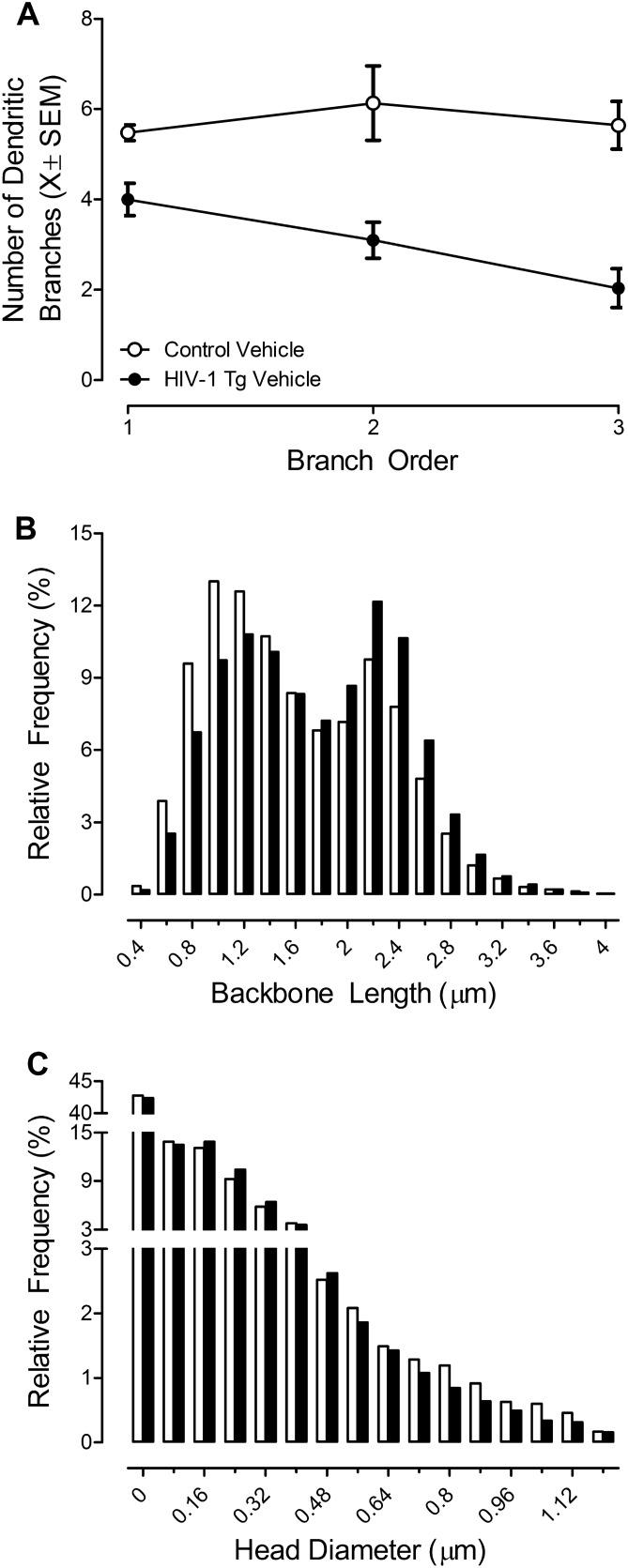
Motivational deficits (e.g., apathy) and dysregulation (e.g., addiction) in HIV-1 seropositive individuals, despite treatment with combination antiretroviral therapy, necessitates the development of innovative adjunctive therapeutics. S-Equol (SE), a selective estrogen receptor β agonist, has been implicated as a neuroprotective and/or neurorestorative therapeutic for HIV-1 associated neurocognitive disorders (HAND); its therapeutic utility for motivational alterations, however, has yet to be systematically evaluated. Thus, HIV-1 transgenic (Tg) and control animals were treated with either a daily oral dose of SE (0.2 mg) or vehicle and assessed in a series of tasks to evaluate goal-directed and drug-seeking behavior. First, at the genotypic level, motivational deficits in HIV-1 Tg rats treated with vehicle were characterized by a diminished reinforcing efficacy of, and sensitivity to, sucrose. Motivational dysregulation was evidenced by enhanced drug-seeking for cocaine relative to control animals treated with vehicle. Second, treatment with SE ameliorated both motivational deficits and dysregulation in HIV-1 Tg rats. Following a history of cocaine self-administration, HIV-1 Tg animals treated with vehicle exhibited lower levels of dendritic branching and a shift towards longer dendritic spines with decreased head diameter. Treatment with SE, however, led to long-term enhancements in dendritic spine morphology in HIV-1 Tg animals supporting a potential underlying basis by which SE exerts its therapeutic effects. Taken together, SE restored motivated behavior in the HIV-1 Tg rat, expanding the potential clinical utility of SE to include both neurocognitive and affective alterations.
动机缺陷(例如,冷漠)和失调(例如,成瘾)在 HIV-1 血清阳性个体中,尽管接受了联合抗逆转录病毒治疗,但仍需要开发创新的辅助治疗方法。S-Equol(SE),一种选择性雌激素受体β激动剂,被认为是 HIV-1 相关神经认知障碍(HAND)的神经保护和/或神经修复治疗药物;然而,其对动机改变的治疗效果尚未得到系统评估。因此,HIV-1 转基因(Tg)和对照动物分别用 SE(0.2mg)或载体的每日口服剂量进行治疗,并在一系列评估目标导向和觅药行为的任务中进行评估。首先,在基因水平上,用载体治疗的 HIV-1 Tg 大鼠的动机缺陷表现为对蔗糖的强化效力降低和敏感性降低。动机失调表现为与用载体治疗的对照动物相比,可卡因的觅药行为增强。其次,SE 治疗改善了 HIV-1 Tg 大鼠的动机缺陷和失调。在可卡因自我给药史后,用载体治疗的 HIV-1 Tg 动物表现出较低的树突分支水平和向更长的树突棘的转变,头径减小。然而,SE 的治疗导致 HIV-1 Tg 动物的树突棘形态发生长期增强,支持 SE 发挥其治疗作用的潜在基础。总之,SE 恢复了 HIV-1 Tg 大鼠的动机行为,扩大了 SE 的潜在临床应用范围,包括神经认知和情感改变。



 Zotero 插件