
自动化和人工智能时代的血吸虫病药物发现。
Schistosomiasis Drug Discovery in the Era of Automation and Artificial Intelligence.
机构信息
LabMol - Laboratory for Molecular Modeling and Drug Design, Faculdade de Farmácia, Universidade Federal de Goiás - UFG, Goiânia, Brazil.
LaBECFar - Laboratório de Bioquímica Experimental e Computacional de Fármacos, Instituto Oswaldo Cruz, Fundação Oswaldo Cruz, Rio de Janeiro, Brazil.
出版信息
Front Immunol. 2021 May 31;12:642383. doi: 10.3389/fimmu.2021.642383. eCollection 2021.
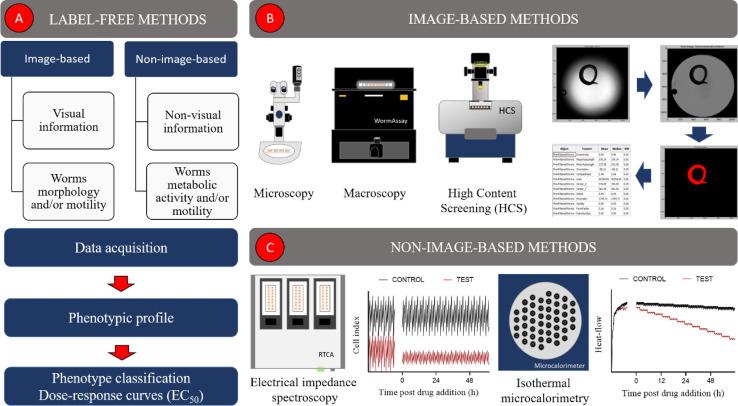
Schistosomiasis is a parasitic disease caused by trematode worms of the genus and affects over 200 million people worldwide. The control and treatment of this neglected tropical disease is based on a single drug, praziquantel, which raises concerns about the development of drug resistance. This, and the lack of efficacy of praziquantel against juvenile worms, highlights the urgency for new antischistosomal therapies. In this review we focus on innovative approaches to the identification of antischistosomal drug candidates, including the use of automated assays, fragment-based screening, computer-aided and artificial intelligence-based computational methods. We highlight the current developments that may contribute to optimizing research outputs and lead to more effective drugs for this highly prevalent disease, in a more cost-effective drug discovery endeavor.
血吸虫病是一种由 属的吸虫引起的寄生虫病,影响全球超过 2 亿人。这种被忽视的热带病的控制和治疗基于一种药物,即吡喹酮,这引起了人们对药物耐药性发展的担忧。此外,吡喹酮对幼虫的疗效不佳,这也凸显了开发新的抗血吸虫病疗法的紧迫性。在这篇综述中,我们重点介绍了鉴定抗血吸虫病药物候选物的创新方法,包括使用自动化测定法、基于片段的筛选、计算机辅助和人工智能计算方法。我们强调了当前的发展,这些发展可能有助于优化研究成果,并为这种高度流行的疾病开发更有效的药物,从而在更具成本效益的药物发现努力中取得更好的效果。


 Zotero 插件