
用于癌症光动力疗法的肿瘤微环境过氧化氢响应材料的最新进展
Recent Advances in Tumor Microenvironment Hydrogen Peroxide-Responsive Materials for Cancer Photodynamic Therapy.
作者信息
Yang Nan, Xiao Wanyue, Song Xuejiao, Wang Wenjun, Dong Xiaochen
机构信息
Key Laboratory of Flexible Electronics (KLOFE) and Institute of Advanced Materials (IAM), School of Physical and Mathematical Sciences, Nanjing Tech University (Nanjing Tech), Nanjing, 211800, People's Republic of China.
School of Physical Science and Information Technology, Liaocheng University, Liaocheng, 252059, People's Republic of China.
出版信息
Nanomicro Lett. 2020 Jan 3;12(1):15. doi: 10.1007/s40820-019-0347-0.
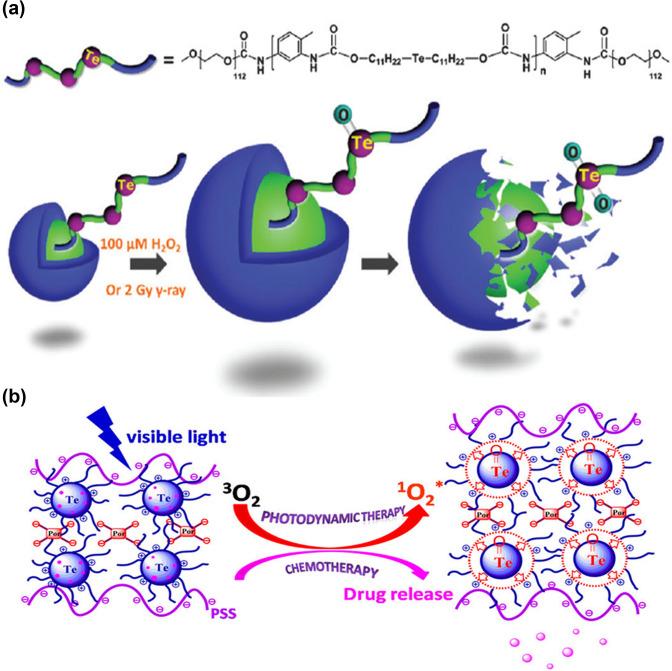
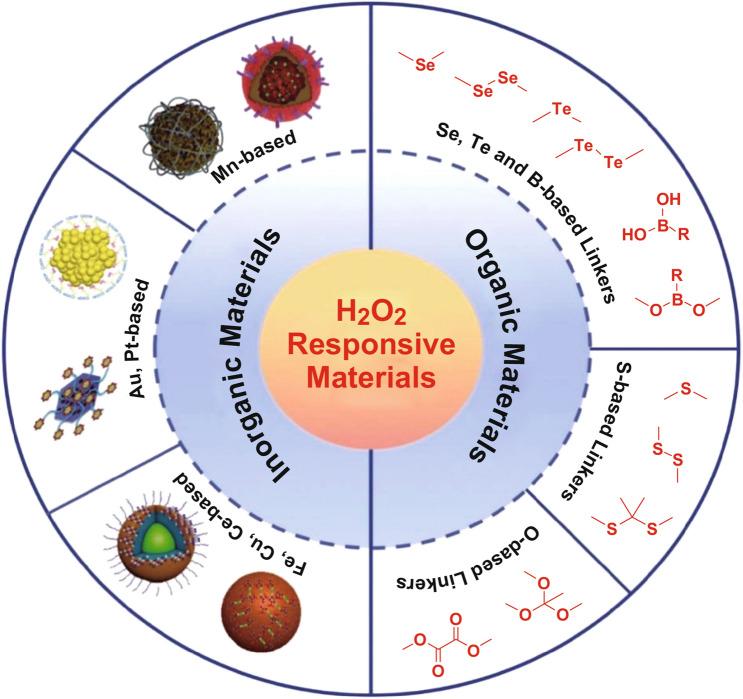
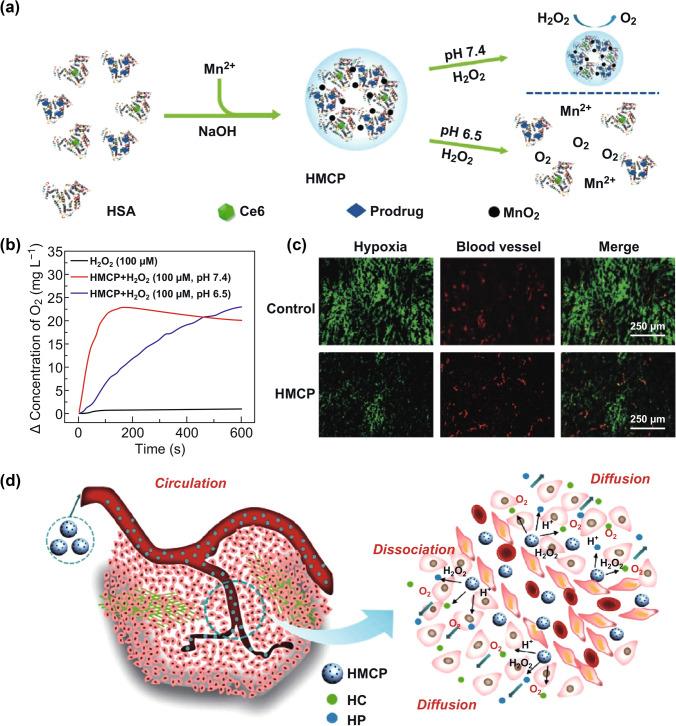
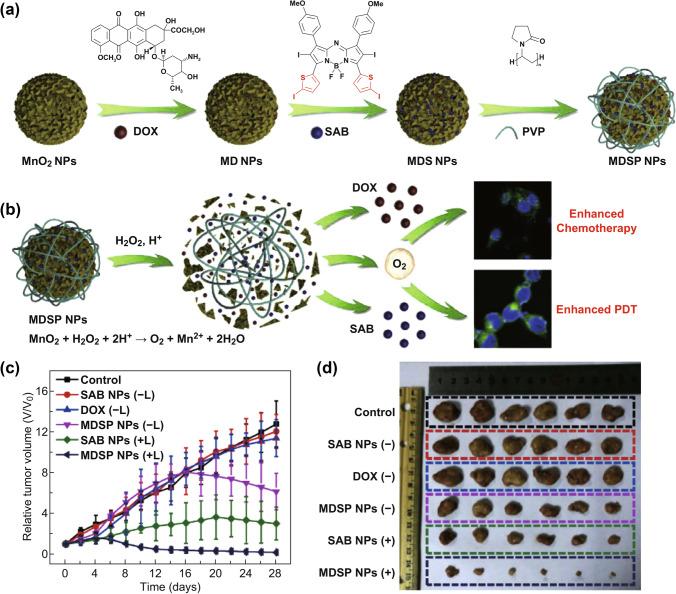
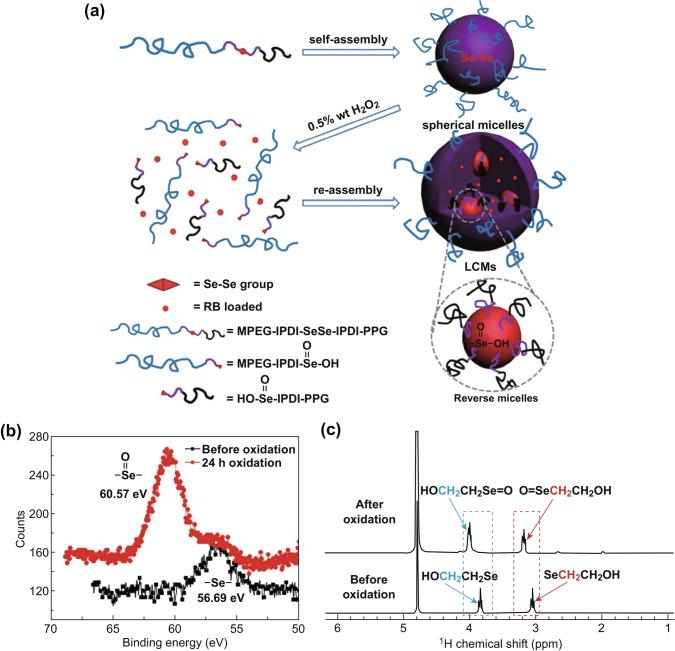
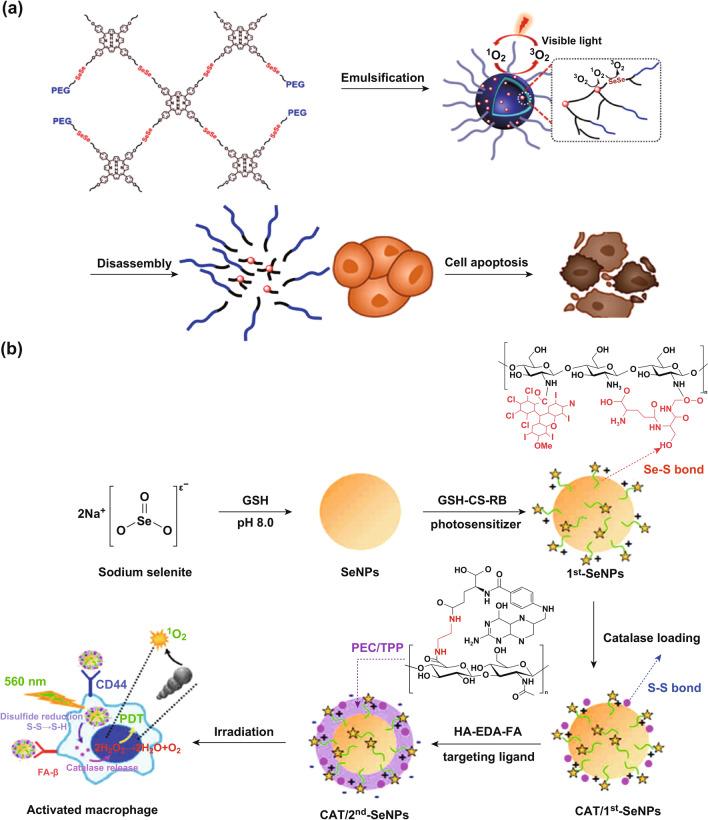
Photodynamic therapy (PDT), as one of the noninvasive clinical cancer phototherapies, suffers from the key drawback associated with hypoxia at the tumor microenvironment (TME), which plays an important role in protecting tumor cells from damage caused by common treatments. High concentration of hydrogen peroxide (HO), one of the hallmarks of TME, has been recognized as a double-edged sword, posing both challenges, and opportunities for cancer therapy. The promising perspectives, strategies, and approaches for enhanced tumor therapies, including PDT, have been developed based on the fast advances in HO-enabled theranostic nanomedicine. In this review, we outline the latest advances in HO-responsive materials, including organic and inorganic materials for enhanced PDT. Finally, the challenges and opportunities for further research on HO-responsive anticancer agents are envisioned .
光动力疗法(PDT)作为非侵入性临床癌症光疗法之一,存在与肿瘤微环境(TME)中的缺氧相关的关键缺陷,而肿瘤微环境在保护肿瘤细胞免受常规治疗造成的损伤方面起着重要作用。高浓度过氧化氢(HO)是肿瘤微环境的特征之一,已被视为一把双刃剑,给癌症治疗带来了挑战,也带来了机遇。基于能够利用过氧化氢的诊疗纳米医学的快速发展,已经开发出了包括光动力疗法在内的增强肿瘤治疗的有前景的观点、策略和方法。在这篇综述中,我们概述了对过氧化氢有响应的材料的最新进展,包括用于增强光动力疗法的有机和无机材料。最后,展望了对过氧化氢响应性抗癌剂进一步研究的挑战和机遇。

 Zotero 插件