
热休克蛋白 90 和 UNC-45 耗竭诱导秀丽隐杆线虫共表达聚类中特征性的转录特征。
hsp-90 and unc-45 depletion induce characteristic transcriptional signatures in coexpression cliques of C. elegans.
机构信息
Center for integrated protein research at the Department of Chemistry, Technische Universität München, Lichtenbergstr. 4, 85748, Garching, Germany.
出版信息
Sci Rep. 2021 Jun 18;11(1):12852. doi: 10.1038/s41598-021-91690-6.
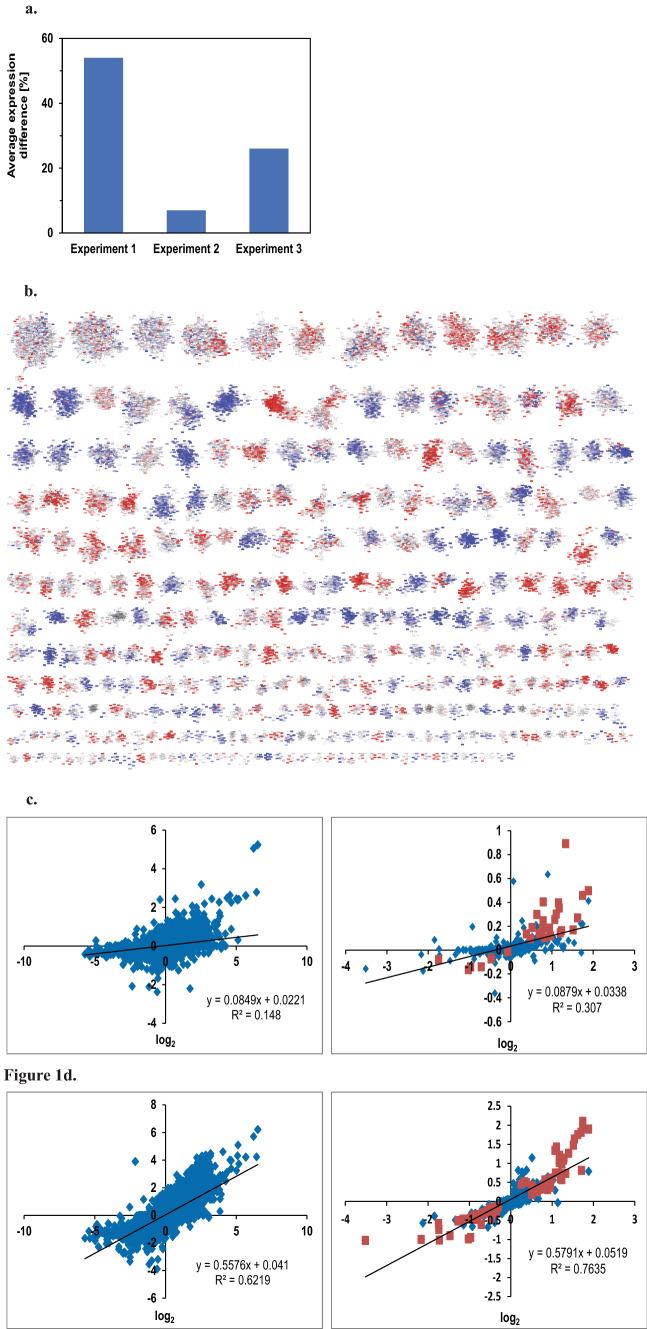
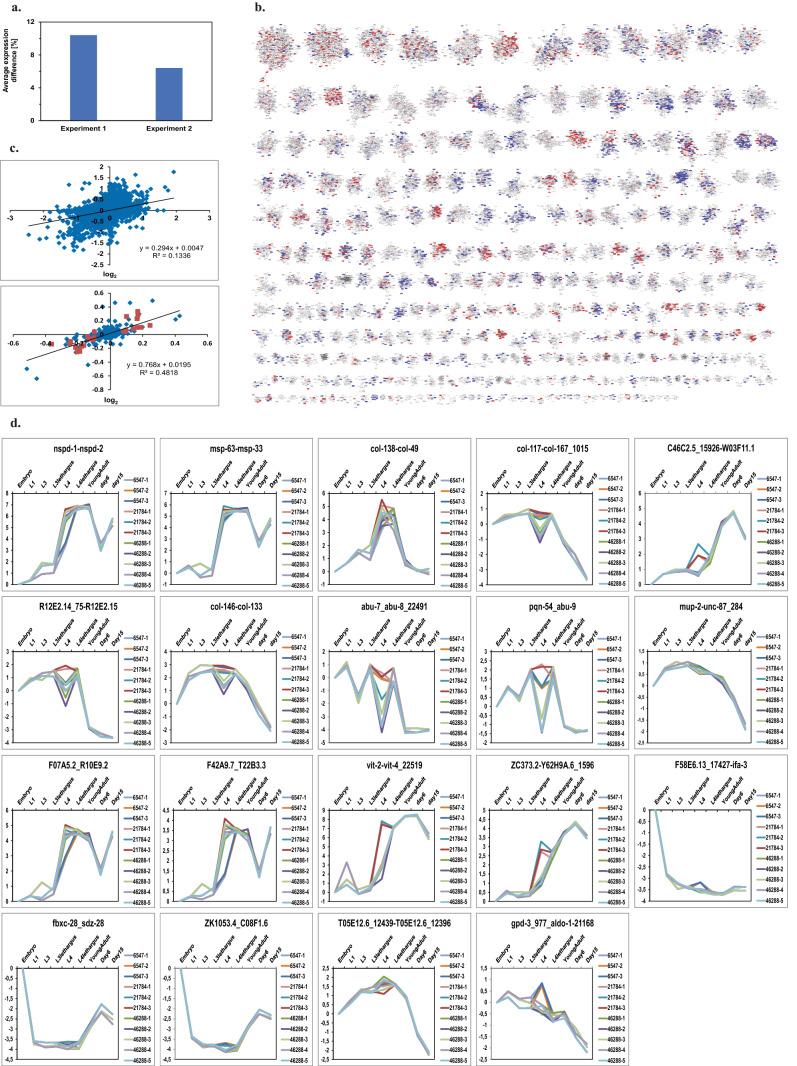
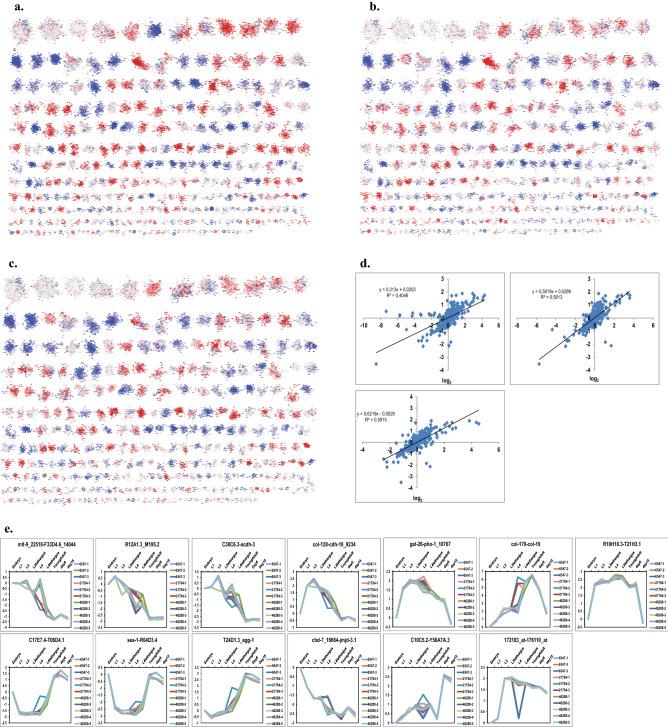
Nematode development is characterized by progression through several larval stages. Thousands of genes were found in large scale RNAi-experiments to block this development at certain steps, two of which target the molecular chaperone HSP-90 and its cofactor UNC-45. Aiming to define the cause of arrest, we here investigate the status of nematodes after treatment with RNAi against hsp-90 and unc-45 by employing an in-depth transcriptional analysis of the arrested larvae. To identify misregulated transcriptional units, we calculate and validate genome-wide coexpression cliques covering the entire nematode genome. We define 307 coexpression cliques and more than half of these can be related to organismal functions by GO-term enrichment, phenotype enrichment or tissue enrichment analysis. Importantly, hsp-90 and unc-45 RNAi induce or repress many of these cliques in a coordinated manner, and then several specifically regulated cliques are observed. To map the developmental state of the arrested nematodes we define the expression behaviour of each of the cliques during development from embryo to adult nematode. hsp-90 RNAi can be seen to arrest development close to the L4 larval stage with further deviations in daf-16 regulated genes. unc-45 RNAi instead leads to arrested development at young adult stage prior to the programmatic downregulation of sperm-cell specific genes. In both cases processes can be defined to be misregulated upon depletion of the respective chaperone. With most of the defined gene cliques showing concerted behaviour at some stage of development from embryo to late adult, the "clique map" together with the clique-specific GO-terms, tissue and phenotype assignments will be a valuable tool in understanding concerted responses on the genome-wide level in Caenorhabditis elegans.
线虫的发育过程以几个幼虫阶段的进展为特征。在大规模的 RNAi 实验中发现了数千个基因,这些基因可以阻止发育在某些步骤进行,其中两个基因针对分子伴侣 HSP-90 和其辅助因子 UNC-45。为了确定阻滞的原因,我们通过对用 RNAi 处理后的阻滞幼虫进行深入的转录分析,研究了 hsp-90 和 unc-45 被靶向后的线虫状态。为了确定失调的转录单元,我们计算并验证了覆盖整个线虫基因组的全基因组共表达聚类。我们定义了 307 个共表达聚类,其中一半以上可以通过 GO 术语富集、表型富集或组织富集分析与生物体功能相关。重要的是,hsp-90 和 unc-45 RNAi 以协调的方式诱导或抑制许多这样的聚类,然后观察到几个特定调节的聚类。为了映射阻滞线虫的发育状态,我们定义了每个聚类在从胚胎到成年线虫发育过程中的表达行为。hsp-90 RNAi 可以看到发育在 L4 幼虫阶段被阻滞,并且 daf-16 调节基因进一步偏离。unc-45 RNAi 则导致在精子细胞特异性基因程序性下调之前,在年轻成虫阶段发育被阻滞。在这两种情况下,都可以定义在各自伴侣蛋白耗尽时出现失调的过程。由于大多数定义的基因聚类在从胚胎到后期成年的发育过程中的某个阶段表现出协调行为,因此“聚类图”以及聚类特定的 GO 术语、组织和表型分配将成为理解秀丽隐杆线虫全基因组水平上协调反应的有价值的工具。

 Zotero 插件