
首例侵袭性多雷拟杆菌感染患者的真菌性主动脉瘤——人类主要土著细菌的叛乱:一例病例报告及文献复习。
First case of an invasive Bacteroides dorei infection detected in a patient with a mycotic aortic aneurysm-raising a rebellion of major indigenous bacteria in humans: a case report and review.
机构信息
Department of Cardiovascular Surgery, Tohoku Medical and Pharmaceutical University, 1-12-1 Fukumuro, Miyagino Ward, Sendai, Miyagi, 983-8512, Japan.
Department of Otolaryngology-Head and Neck Surgery, Tohoku University Graduate School of Medicine, Sendai, Japan.
出版信息
BMC Infect Dis. 2021 Jun 30;21(1):625. doi: 10.1186/s12879-021-06345-8.
BACKGROUND
Bacteroides dorei is an anaerobic gram-negative bacterium first described in 2006. Because of the high similarity in mass spectra between B. dorei and Bacteroides vulgatus, discriminating between these species is arduous in clinical practice. In recent decades, 16S rRNA gene sequencing has been a complementary method for distinguishing taxonomically close bacteria, including B. dorei and B. vulgatus, at the genus and species levels. Consequently, B. dorei has been shown to contribute to some diseases, including type 1 autoimmune diabetes mellitus and atherosclerotic diseases. However, there are no reports on invasive infectious diseases caused by B. dorei. This report describes the first case of direct invasion and colonisation of human tissue by B. dorei, thus providing a warning regarding the previously proposed application of B. dorei as a live biotherapeutic for atherosclerotic diseases.
CASE PRESENTATION
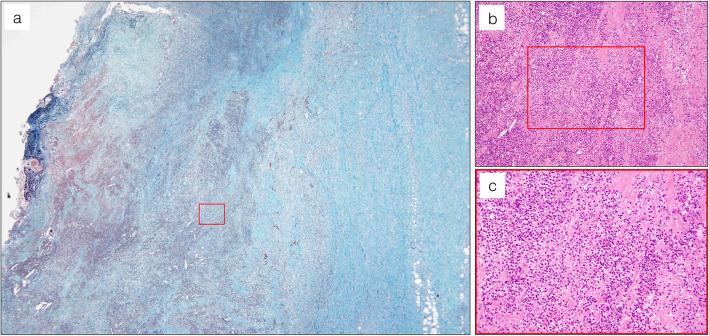
A 78-year-old Japanese man complained of intermittent chest/back pain and was diagnosed with a mycotic thoracic aortic aneurysm by enhanced computed tomography on admission. Despite strict blood pressure control and empirical antibiotic therapy, the patient's condition worsened. To prevent aneurysmal rupture and eliminate infectious foci, the patient underwent surgical treatment. The resected specimen was subjected to tissue culture and 16S rRNA gene sequencing analysis to identify pathogenic bacteria. A few days after the surgery, culture and sequencing results revealed that the pathogen was B. dorei/B. vulgatus and B. dorei, respectively. The patient was successfully treated with appropriate antibacterial therapy and after improvement, was transferred to another hospital for rehabilitation on postoperative day 34. There was no recurrence of infection or aneurysm after the patient transfer.
CONCLUSIONS
This report describes the first case of invasive infectious disease caused by B. dorei, casting a shadow over its utilisation as a probiotic for atherosclerotic diseases.
背景
多利拟杆菌是一种 2006 年首次描述的厌氧革兰氏阴性细菌。由于多利拟杆菌和普通拟杆菌在质谱上具有高度相似性,因此在临床实践中很难区分这两种物种。近几十年来,16S rRNA 基因测序已成为区分包括多利拟杆菌和普通拟杆菌在内的分类上密切相关细菌的补充方法,可在属和种水平上进行。因此,多利拟杆菌已被证明与一些疾病有关,包括 1 型自身免疫性糖尿病和动脉粥样硬化性疾病。然而,目前尚无多利拟杆菌引起侵袭性传染病的报告。本报告描述了首例多利拟杆菌直接侵袭和定植人体组织的病例,从而对先前提出的将多利拟杆菌作为治疗动脉粥样硬化性疾病的活体生物治疗剂的应用提出了警告。
病例介绍
一名 78 岁的日本男性间歇性胸痛/背痛,入院时经增强计算机断层扫描诊断为真菌性胸主动脉瘤。尽管严格控制血压并进行经验性抗生素治疗,患者病情仍恶化。为防止动脉瘤破裂和消除感染灶,患者接受了手术治疗。切除标本进行组织培养和 16S rRNA 基因测序分析,以鉴定致病菌。术后几天,培养和测序结果分别显示病原体为多利拟杆菌/普通拟杆菌和多利拟杆菌。患者经适当的抗菌治疗后成功治愈,术后第 34 天转至另一家医院康复。患者转移后无感染或动脉瘤复发。
结论
本报告描述了首例多利拟杆菌引起的侵袭性传染病病例,这对其作为动脉粥样硬化性疾病益生菌的应用投下阴影。


 Zotero 插件