
用于高效去除水中双氯芬酸钠的g-CN/MoO纳米杂化物的简便合成
Facile Synthesis of g-CN/MoO Nanohybrid for Efficient Removal of Aqueous Diclofenac Sodium.
作者信息
Rashid Jamshaid, Saleemi Faryal, Akram Bilal, Wang Lin, Hussain Naveed, Xu Ming
机构信息
College of Environment and Planning, Henan University, Kaifeng 475004, China.
Key Laboratory of Geospatial Technology for the Middle and Lower Yellow River Regions, Ministry of Education, Henan University, Kaifeng 475004, China.
出版信息
Nanomaterials (Basel). 2021 Jun 14;11(6):1564. doi: 10.3390/nano11061564.
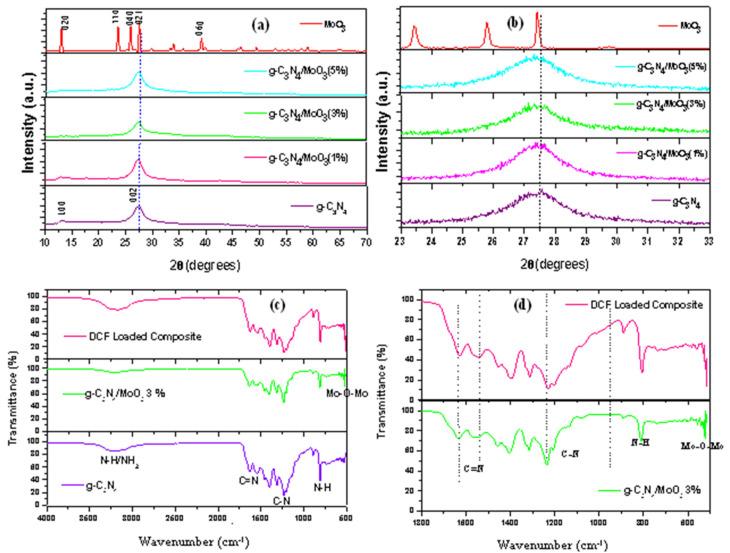
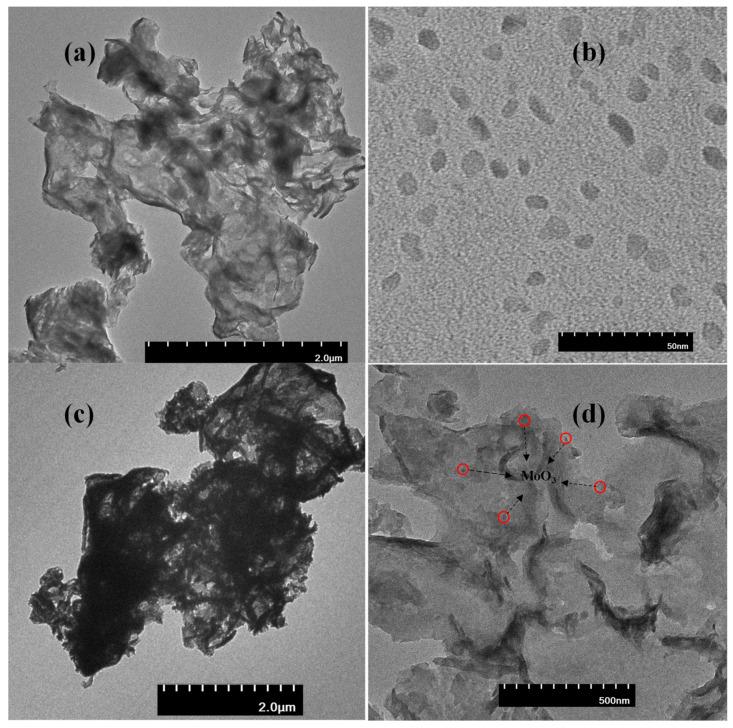
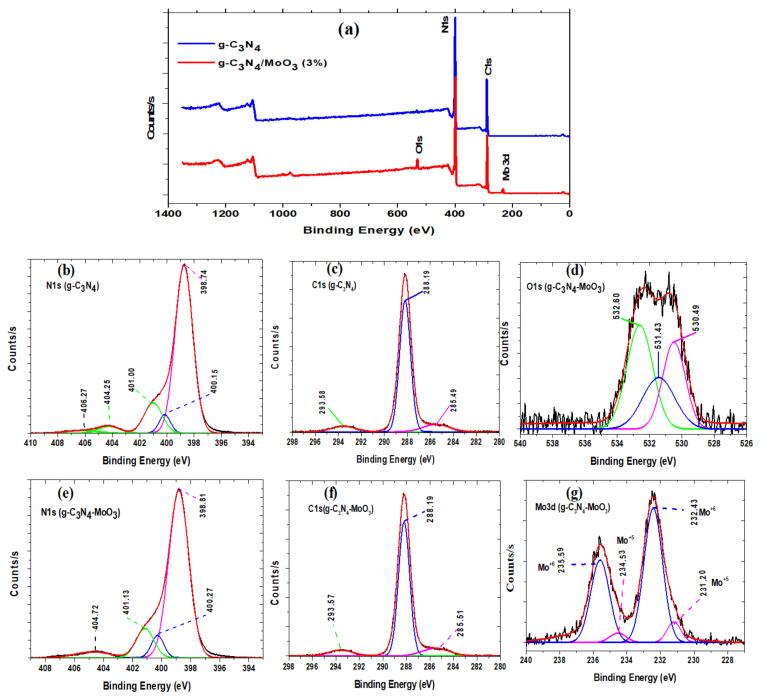
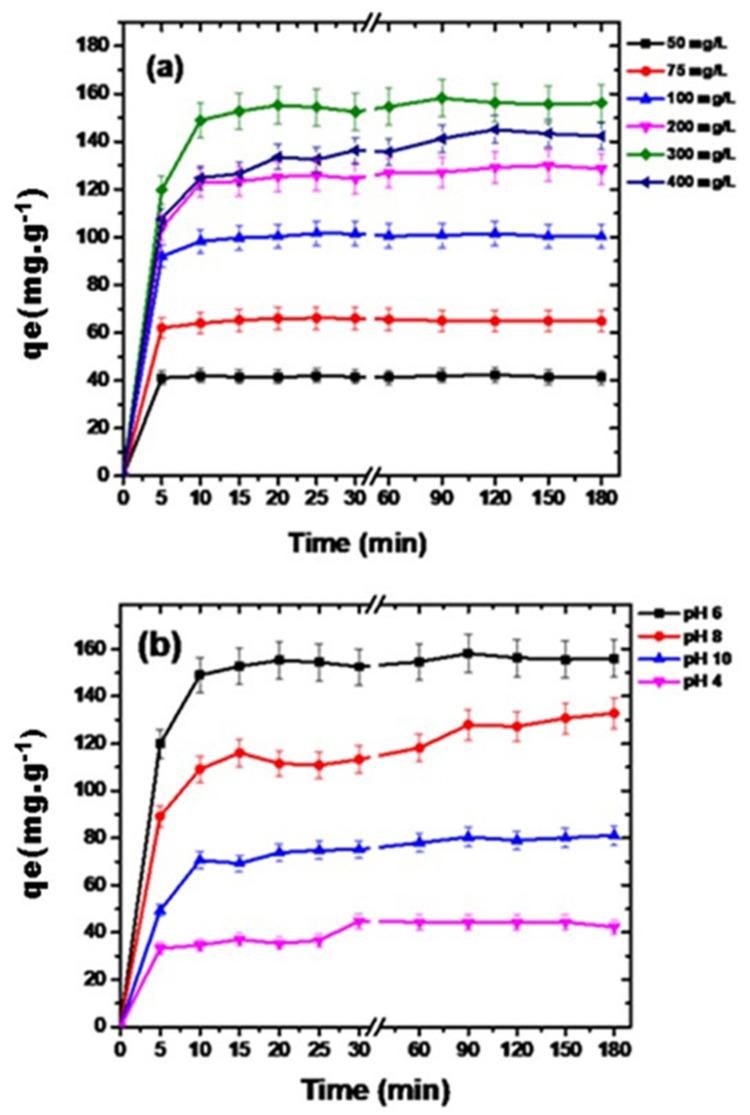
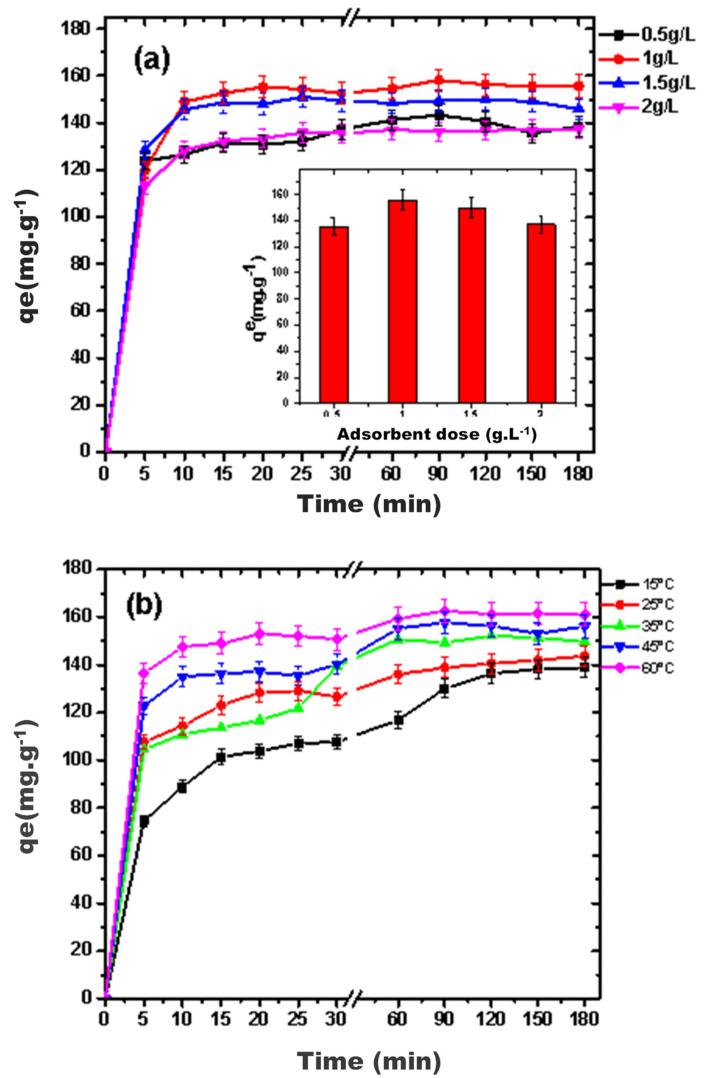
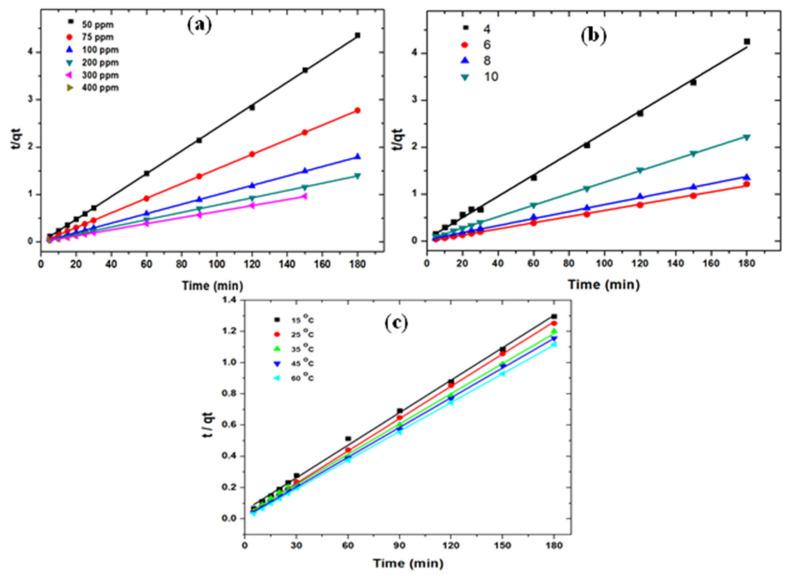
Graphitic carbon nitride modified by molybdenum trioxide (g-CNMoO) as a nanohybrid was synthesized by co-precipitation method. Here, g-CN/MoO nanohybrid was used for the first time as an adsorbent for the pharmaceutical drug, diclofenac, (an aqueous micropollutant) from water to mitigate its possible environmental toxic effects. Compared to pristine components, the nanohybrid exhibited better adsorptive removal of diclofenac. Adsorption was enhanced with increment in MoO content from 1 to 3 wt %; however further increment in MoO content resulted in lower adsorption capacity due to agglomeration of MoO particles over g-CN. 162 mg g adsorption capacity was achieved for 300 mg L diclofenac in solution with 1 g L adsorbent at pH = 6. Adsorption of diclofenac over g-CN /MoO followed pseudo 2nd order kinetics. Temkin, Langmuir, Dubinin Radushkevich and Freundlich isotherm models were applied on the experimental results concluding that diclofenac adsorption over g-CN/MoO followed the Langmuir isotherm. The adsorption mechanism could be explained by the π-π interaction between aromatic rings of diclofenac and g-CN/MoO (3%) nanohybrid, which is also evident by the FTIR results. This study presents the facile fabrication of a 2nd generation adsorbent for the treatment of diclofenac contaminated water that may as well help achieve the removal of other micropollutants form water.
通过共沉淀法合成了三氧化钼修饰的石墨相氮化碳(g-CNMoO)纳米杂化物。在此,g-CN/MoO纳米杂化物首次被用作吸附剂,用于从水中去除药物双氯芬酸(一种水中微污染物),以减轻其可能的环境毒性影响。与原始组分相比,该纳米杂化物对双氯芬酸表现出更好的吸附去除效果。随着MoO含量从1 wt%增加到3 wt%,吸附作用增强;然而,由于MoO颗粒在g-CN上的团聚,MoO含量的进一步增加导致吸附容量降低。在pH = 6时,使用1 g/L吸附剂对300 mg/L双氯芬酸溶液的吸附容量达到162 mg/g。双氯芬酸在g-CN /MoO上的吸附遵循准二级动力学。将Temkin、Langmuir、Dubinin Radushkevich和Freundlich等温线模型应用于实验结果,得出双氯芬酸在g-CN/MoO上的吸附遵循Langmuir等温线。吸附机理可以用双氯芬酸的芳香环与g-CN/MoO(3%)纳米杂化物之间的π-π相互作用来解释,这也通过FTIR结果得到了证实。本研究展示了一种用于处理双氯芬酸污染水的第二代吸附剂的简便制备方法,这也可能有助于实现从水中去除其他微污染物。

 Zotero 插件