
植物、真菌、藻类和蓝藻中的人特异性凝集素,作为 SARS-CoV、MERS-CoV 和 SARS-CoV-2(COVID-19)冠状病毒的潜在阻滞剂:生物医学视角。
Man-Specific Lectins from Plants, Fungi, Algae and Cyanobacteria, as Potential Blockers for SARS-CoV, MERS-CoV and SARS-CoV-2 (COVID-19) Coronaviruses: Biomedical Perspectives.
机构信息
UMR 152 PharmaDev, Institut de Recherche et Développement, Faculté de Pharmacie, Université Paul Sabatier, F-31062 Toulouse, France.
Department of Biotechnology, Faculty of Bioscience Engineering, Ghent University, B-9000 Ghent, Belgium.
出版信息
Cells. 2021 Jun 28;10(7):1619. doi: 10.3390/cells10071619.
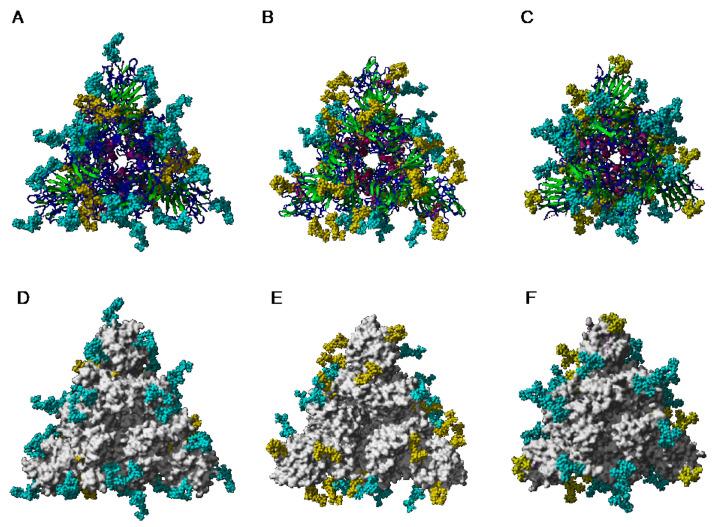
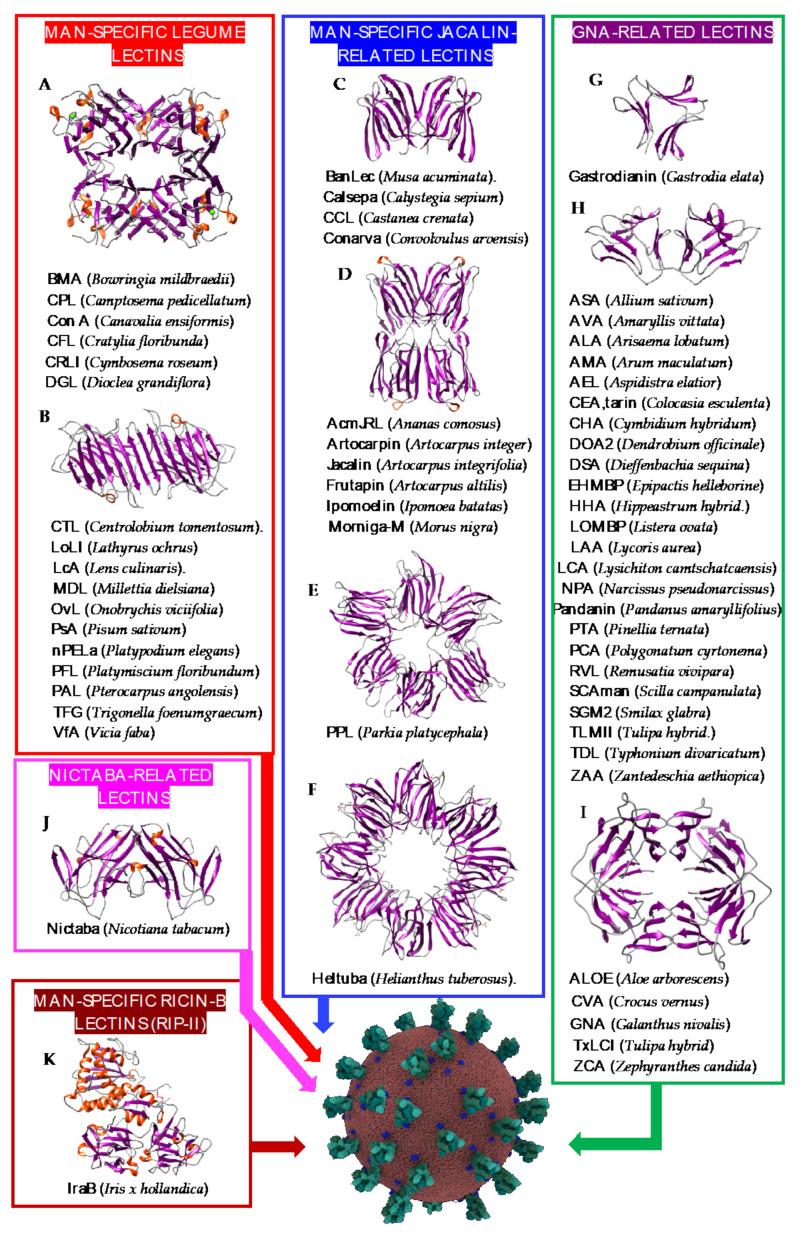
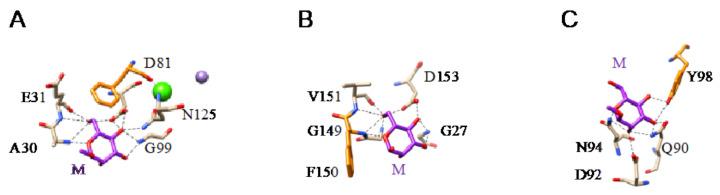
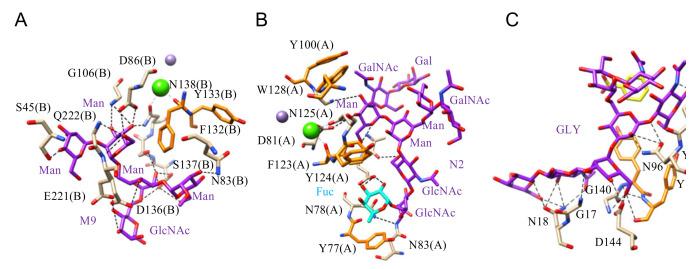
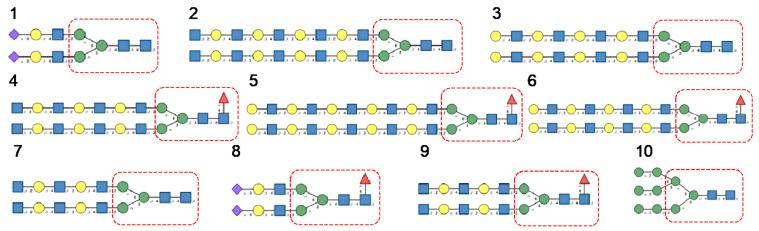
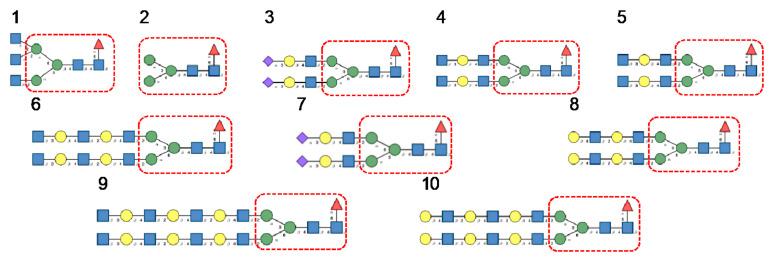
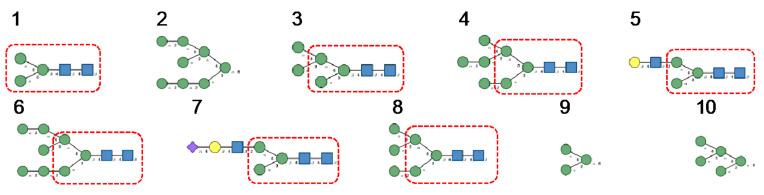
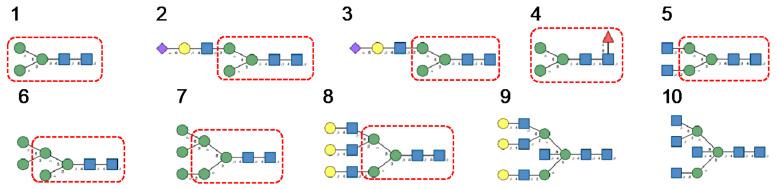
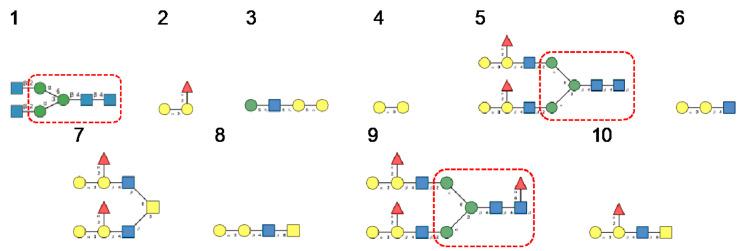
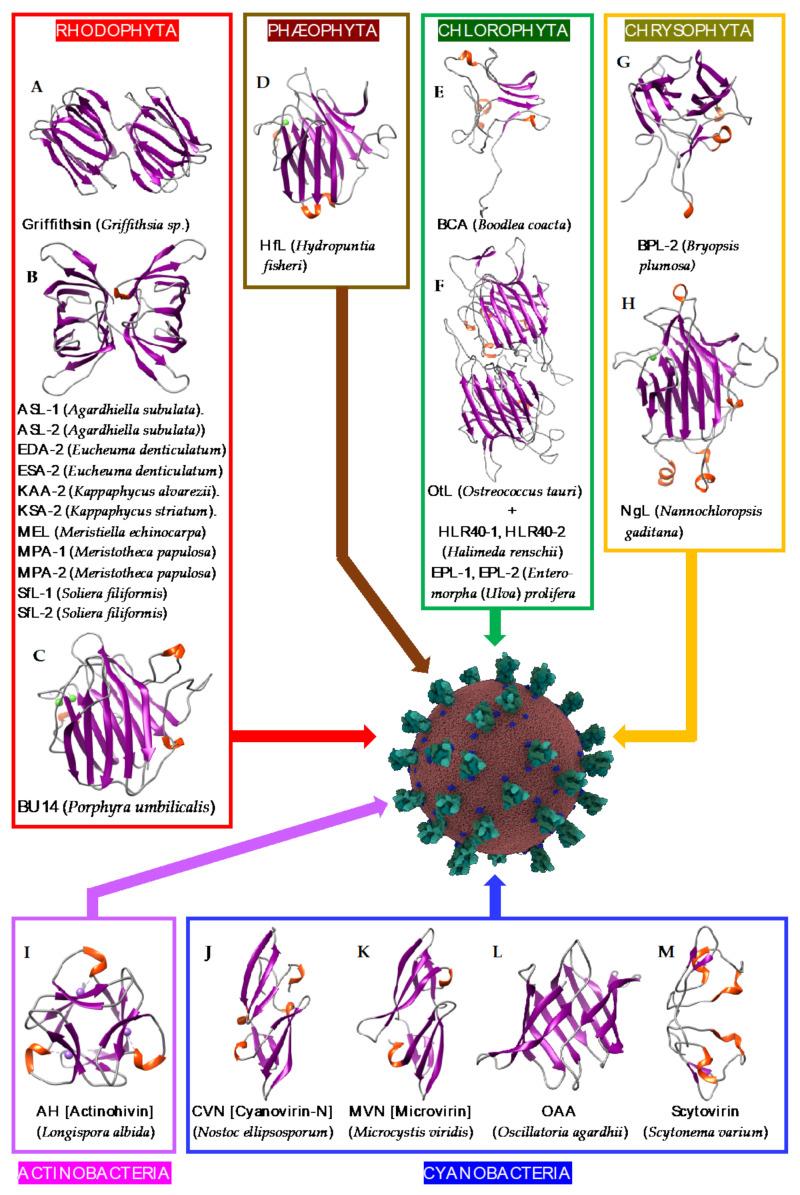
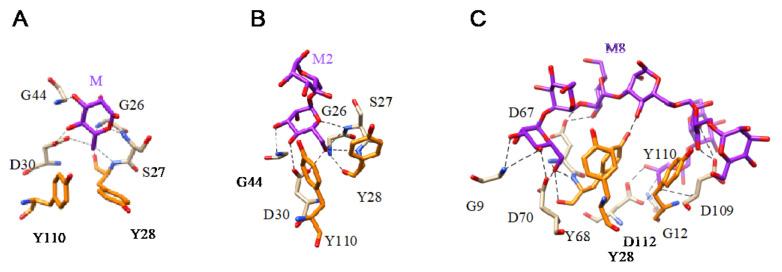
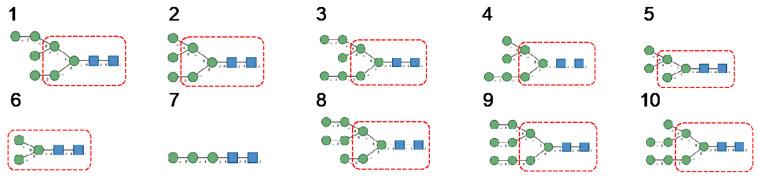
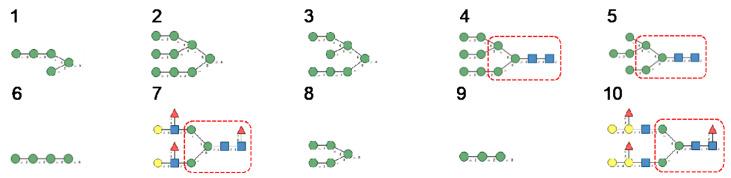
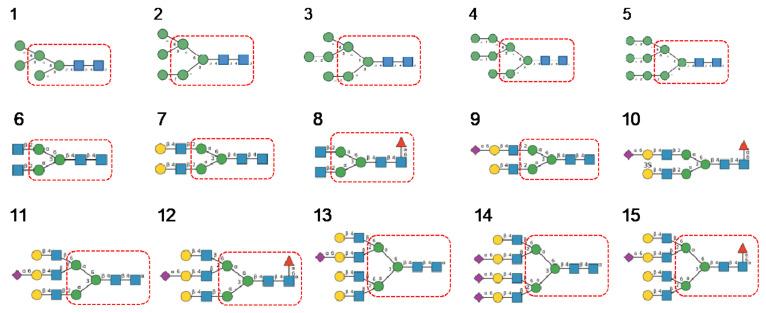
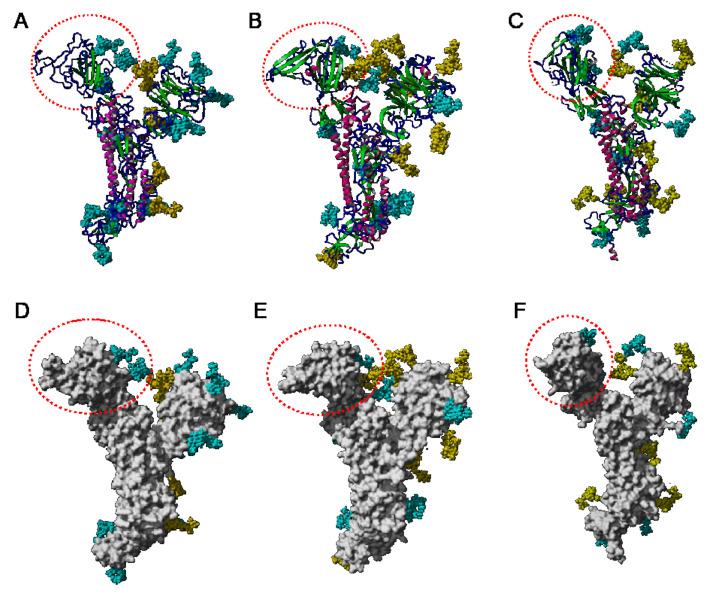
Betacoronaviruses, responsible for the "Severe Acute Respiratory Syndrome" (SARS) and the "Middle East Respiratory Syndrome" (MERS), use the spikes protruding from the virion envelope to attach and subsequently infect the host cells. The coronavirus spike (S) proteins contain receptor binding domains (RBD), allowing the specific recognition of either the dipeptidyl peptidase CD23 (MERS-CoV) or the angiotensin-converting enzyme ACE2 (SARS-Cov, SARS-CoV-2) host cell receptors. The heavily glycosylated S protein includes both complex and high-mannose type -glycans that are well exposed at the surface of the spikes. A detailed analysis of the carbohydrate-binding specificity of mannose-binding lectins from plants, algae, fungi, and bacteria, revealed that, depending on their origin, they preferentially recognize either complex type -glycans, or high-mannose type -glycans. Since both complex and high-mannose glycans substantially decorate the S proteins, mannose-specific lectins are potentially useful glycan probes for targeting the SARS-CoV, MERS-CoV, and SARS-CoV-2 virions. Mannose-binding legume lectins, like pea lectin, and monocot mannose-binding lectins, like snowdrop lectin or the algal lectin griffithsin, which specifically recognize complex -glycans and high-mannose glycans, respectively, are particularly adapted for targeting coronaviruses. The biomedical prospects of targeting coronaviruses with mannose-specific lectins are wide-ranging including detection, immobilization, prevention, and control of coronavirus infection.
贝塔冠状病毒可引发“严重急性呼吸道综合征”(SARS)和“中东呼吸综合征”(MERS),其病毒包膜上的刺突可与宿主细胞结合并随后感染宿主细胞。冠状病毒的刺突(S)蛋白包含受体结合结构域(RBD),允许其特异性识别二肽基肽酶 CD23(MERS-CoV)或血管紧张素转换酶 ACE2(SARS-CoV、SARS-CoV-2)等宿主细胞受体。高度糖基化的 S 蛋白既有复杂型聚糖又有高甘露糖型聚糖,这些聚糖在刺突表面充分暴露。对来自植物、藻类、真菌和细菌的甘露糖结合凝集素的碳水化合物结合特异性进行详细分析后发现,根据其来源,它们可优先识别复杂型聚糖或高甘露糖型聚糖。由于复杂型和高甘露糖型聚糖大量修饰 S 蛋白,因此甘露糖特异性凝集素可能成为靶向 SARS-CoV、MERS-CoV 和 SARS-CoV-2 病毒粒子的有用聚糖探针。与豌豆凝集素等豆科甘露糖结合凝集素以及与雪苔凝集素或藻类凝集素 griffithsin 等单子叶植物甘露糖结合凝集素分别特异性识别复杂型聚糖和高甘露糖型聚糖,这些凝集素特别适合靶向冠状病毒。利用甘露糖特异性凝集素靶向冠状病毒的生物医学前景广泛,包括检测、固定、预防和控制冠状病毒感染。





 Zotero 插件