
内皮细胞衰老与慢性疲劳综合征:基于新冠病毒病的假说
Endothelial Senescence and Chronic Fatigue Syndrome, a COVID-19 Based Hypothesis.
作者信息
Sfera Adonis, Osorio Carolina, Zapata Martín Del Campo Carlos M, Pereida Shaniah, Maurer Steve, Maldonado Jose Campo, Kozlakidis Zisis
机构信息
Patton State Hospital, San Bernardino, CA, United States.
Loma Linda University, Loma Linda, CA, United States.
出版信息
Front Cell Neurosci. 2021 Jun 25;15:673217. doi: 10.3389/fncel.2021.673217. eCollection 2021.
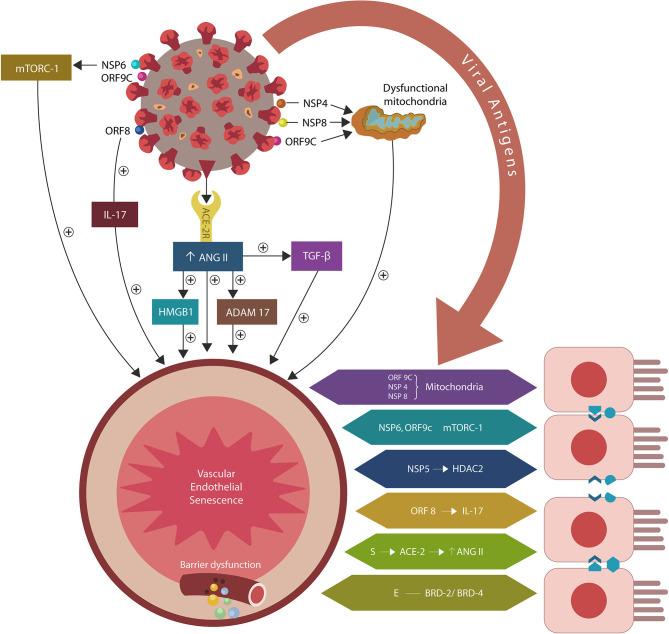
Myalgic encephalomyelitis/chronic fatigue syndrome is a serious illness of unknown etiology, characterized by debilitating exhaustion, memory impairment, pain and sleep abnormalities. Viral infections are believed to initiate the pathogenesis of this syndrome although the definite proof remains elusive. With the unfolding of COVID-19 pandemic, the interest in this condition has resurfaced as excessive tiredness, a major complaint of patients infected with the SARS-CoV-2 virus, often lingers for a long time, resulting in disability, and poor life quality. In a previous article, we hypothesized that COVID-19-upregulated angiotensin II triggered premature endothelial cell senescence, disrupting the intestinal and blood brain barriers. Here, we hypothesize further that post-viral sequelae, including myalgic encephalomyelitis/chronic fatigue syndrome, are promoted by the gut microbes or toxin translocation from the gastrointestinal tract into other tissues, including the brain. This model is supported by the SARS-CoV-2 interaction with host proteins and bacterial lipopolysaccharide. Conversely, targeting microbial translocation and cellular senescence may ameliorate the symptoms of this disabling illness.
肌痛性脑脊髓炎/慢性疲劳综合征是一种病因不明的严重疾病,其特征为使人衰弱的疲惫、记忆障碍、疼痛和睡眠异常。尽管确切证据仍然难以捉摸,但病毒感染被认为引发了该综合征的发病机制。随着新冠疫情的发展,人们对这种病症的关注再度浮现,因为感染严重急性呼吸综合征冠状病毒2(SARS-CoV-2)病毒的患者的主要症状——过度疲劳,常常会持续很长时间,导致残疾和生活质量低下。在之前的一篇文章中,我们推测新冠病毒上调的血管紧张素II引发了内皮细胞过早衰老,破坏了肠道和血脑屏障。在此,我们进一步推测,包括肌痛性脑脊髓炎/慢性疲劳综合征在内的病毒感染后遗症是由肠道微生物或毒素从胃肠道转移到包括大脑在内的其他组织所促成的。严重急性呼吸综合征冠状病毒2与宿主蛋白和细菌脂多糖的相互作用支持了这一模型。相反,针对微生物转移和细胞衰老可能会改善这种致残性疾病的症状。

 Zotero 插件