
载有芦丁和/或胡椒碱天然药物的金属有机框架纳米制剂的抗炎和抗氧化作用。
Anti-inflammatory and antioxidant effects of nanoformulations composed of metal-organic frameworks delivering rutin and/or piperine natural agents.
机构信息
Laboratory of Nanostructures and Nanomedicine, Institute of High Pressure Physics, Polish Academy of Sciences, Warsaw, Poland.
Medicinal and Aromatic Plants Research Department, Pharmaceutical and Drug Industries Research Division, National Research Centre (NRC), Giza, Egypt.
出版信息
Drug Deliv. 2021 Dec;28(1):1478-1495. doi: 10.1080/10717544.2021.1949073.
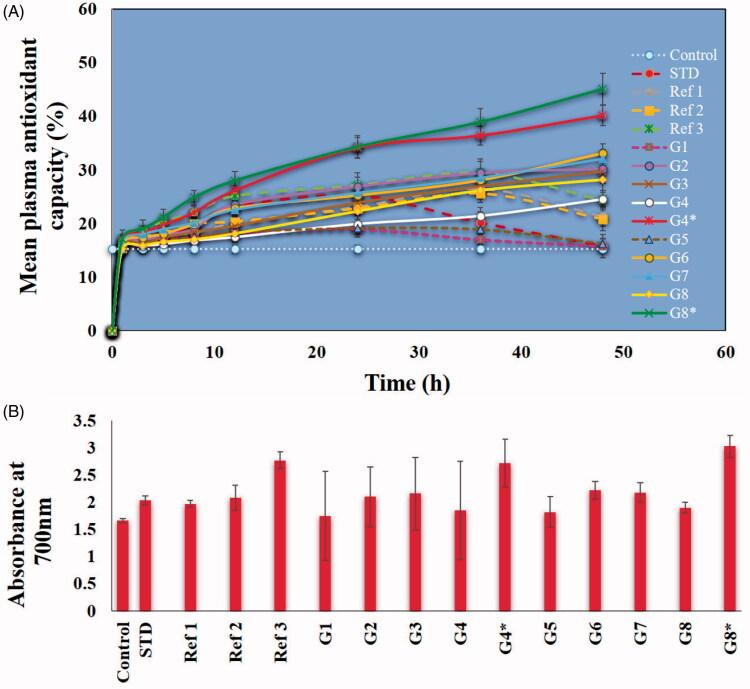
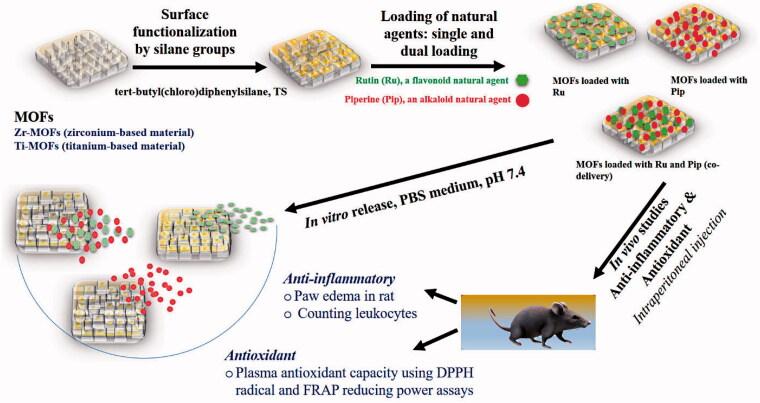
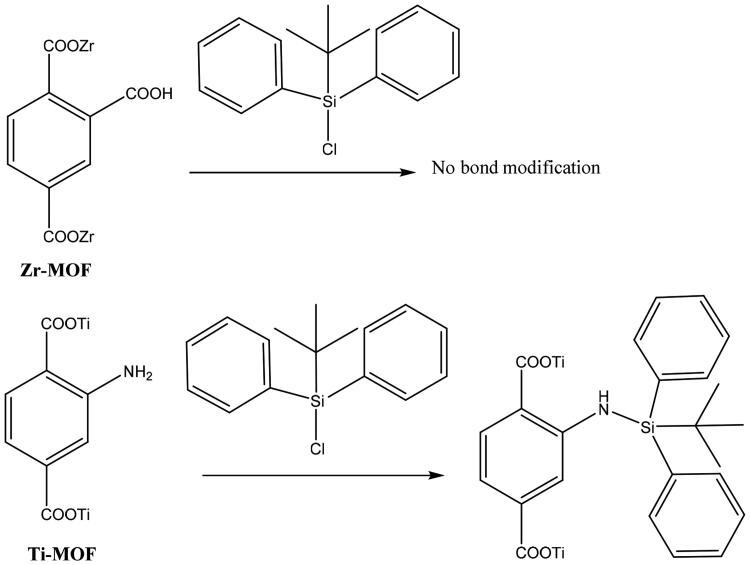
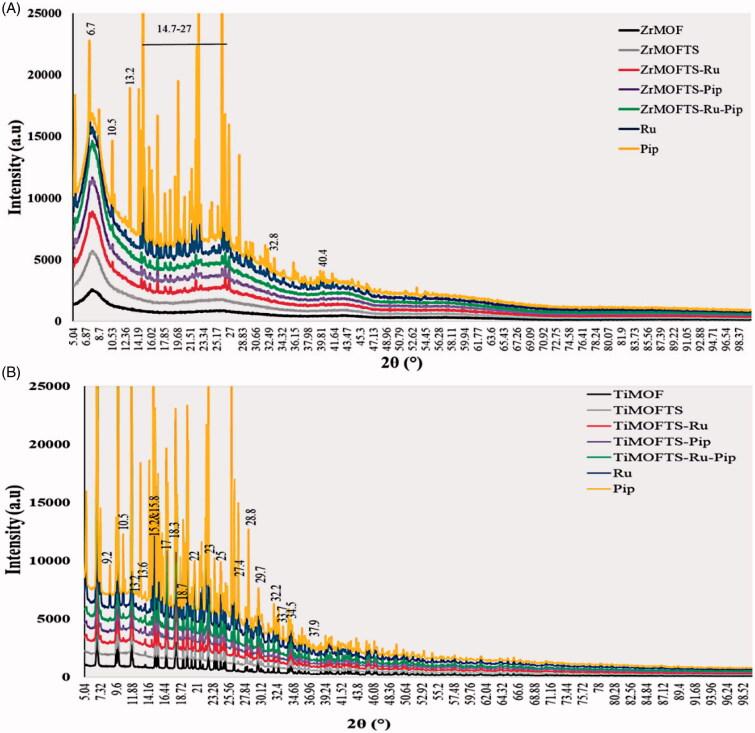
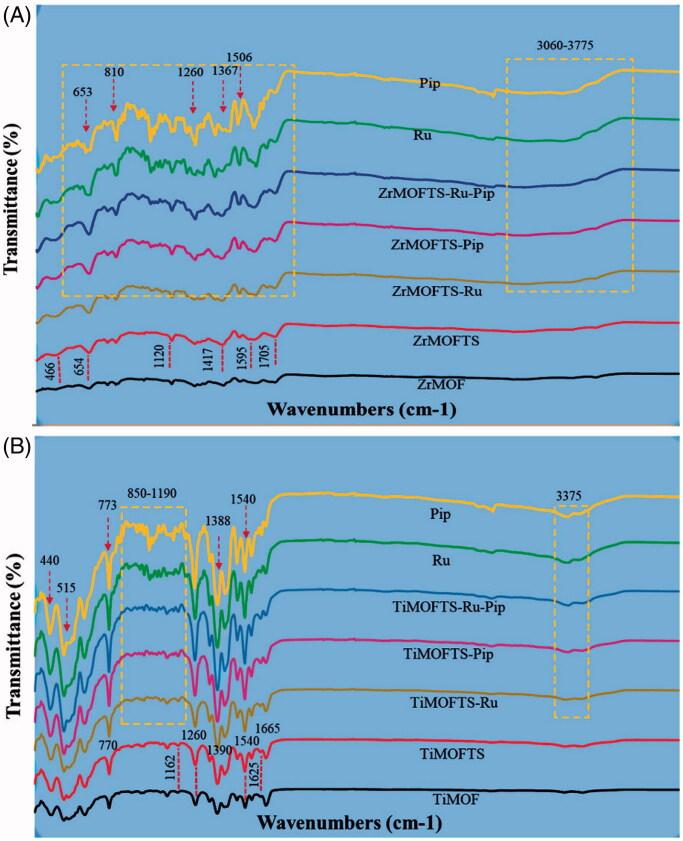
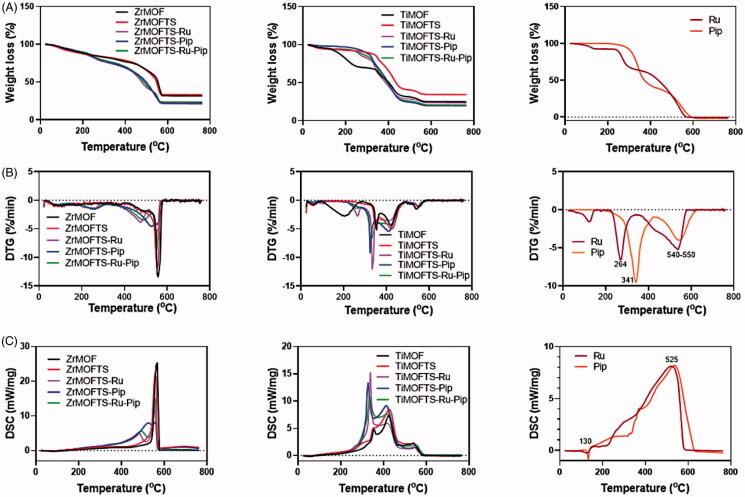
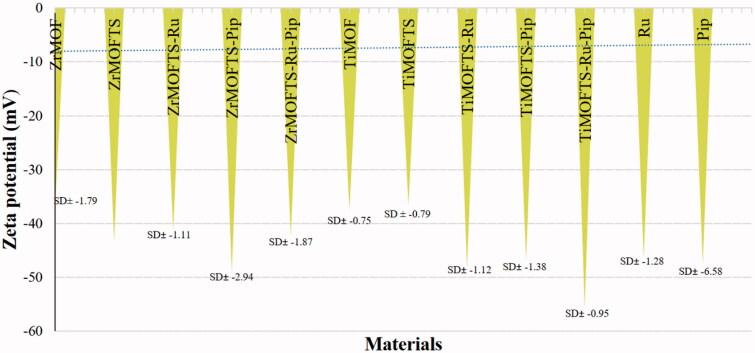
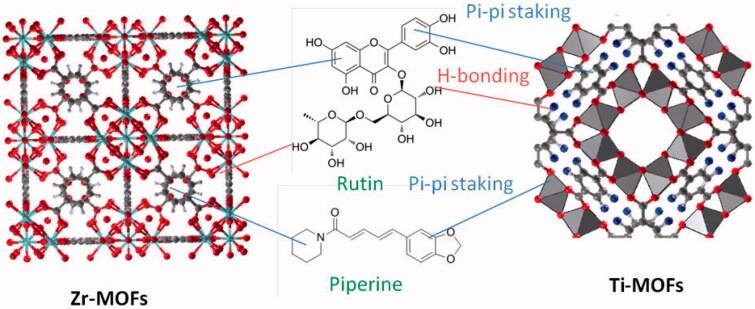
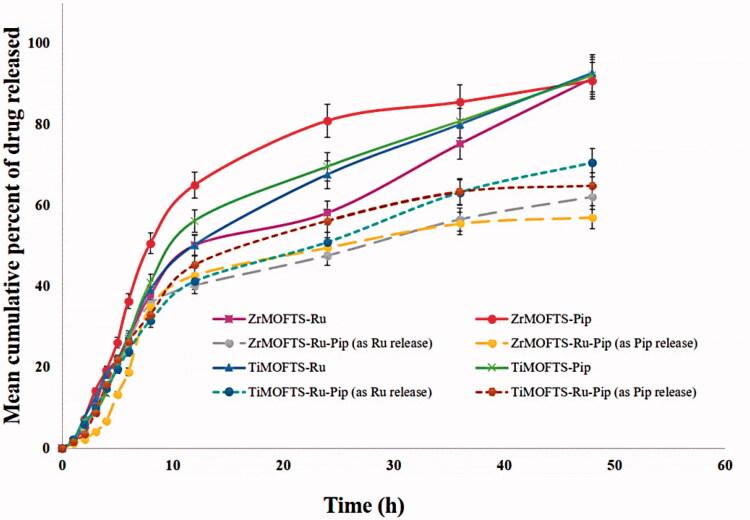
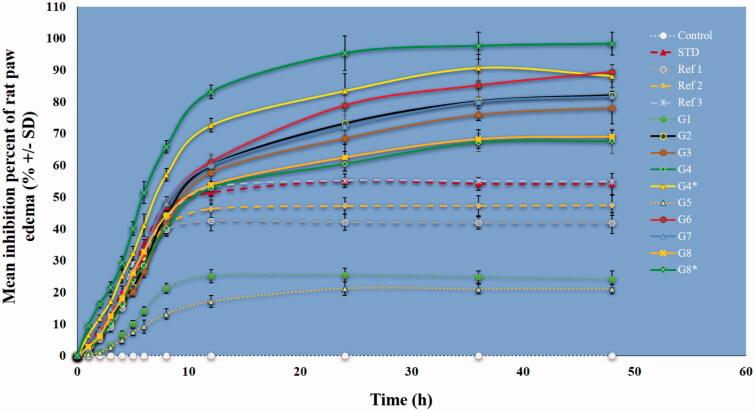
Plant-derived natural medicines have been extensively studied for anti-inflammatory or antioxidant properties, but challenges to their clinical use include low bioavailability, poor solubility in water, and difficult-to-control release kinetics. Nanomedicine may offer innovative solutions that can enhance the therapeutic activity and control release kinetics of these agents, opening the way to translating them into the clinic. Two agents of particular interest are rutin (Ru), a flavonoid, and piperine (Pip), an alkaloid, which exhibit a range of pharmacological activities that include antioxidant and anti-inflammatory effects. In this work, nanoformulations were developed consisting of two metal-organic frameworks (MOFs) with surface modifications, Ti-MOF and Zr-MOF, each of them loaded with Ru and/or Pip. Both MOFs and nanoformulations were characterized and evaluated for anti-inflammatory and antioxidant effects. Loadings of ∼17 wt.% for a single pro-drug and ∼27 wt.% for dual loading were achieved. The release patterns for Ru and or Pip followed two stages: a zero-order for the first 12-hour stage, and a second stage of stable sustained release. At pH 7.4, the release patterns best fit to zero-order and Korsmeyer-Peppas kinetic models. The nanoformulations had enhanced anti-inflammatory and antioxidant effects than any of their elements singly, and those with Ru or Pip alone showed stronger effects than those with both agents. Results of assays using a paw edema model, leukocyte migration, and plasma antioxidant capacity were in agreement. Our preliminary findings indicate that nanoformulations with these agents exert better anti-inflammatory and antioxidant effects than the agents in their free form.
植物来源的天然药物因其具有抗炎或抗氧化特性而被广泛研究,但它们在临床应用中面临的挑战包括生物利用度低、在水中的溶解度差以及难以控制的释放动力学。纳米医学可能提供创新的解决方案,可以增强这些药物的治疗活性和控制释放动力学,为将它们转化为临床应用开辟道路。两种特别引人关注的药物是芦丁(Ru),一种类黄酮,和胡椒碱(Pip),一种生物碱,它们具有一系列药理学活性,包括抗氧化和抗炎作用。在这项工作中,开发了由两种表面修饰的金属有机骨架(MOFs)组成的纳米制剂,Ti-MOF 和 Zr-MOF,它们各自负载 Ru 和/或 Pip。对两种 MOFs 和纳米制剂都进行了表征和评估,以评估它们的抗炎和抗氧化作用。单一前药的负载量约为 17wt.%,双载的负载量约为 27wt.%。Ru 和/或 Pip 的释放模式遵循两个阶段:前 12 小时的零级阶段,以及随后的稳定持续释放的第二阶段。在 pH 7.4 下,释放模式最符合零级和 Korsmeyer-Peppas 动力学模型。纳米制剂的抗炎和抗氧化作用比其任何单一元素都要强,而仅含有 Ru 或 Pip 的纳米制剂比同时含有两种药物的纳米制剂具有更强的作用。使用爪肿胀模型、白细胞迁移和血浆抗氧化能力进行的测定结果是一致的。我们的初步研究结果表明,与游离形式的药物相比,这些药物的纳米制剂具有更好的抗炎和抗氧化作用。

 Zotero 插件