
spp.:生物活性、增强健康效果及其在功能性食品和药物制剂中的应用的综合评价。
spp.: A Comprehensive Review on Bioactivities and Health-Enhancing Effects and Their Potential for the Formulation of Functional Foods and Pharmaceutical Drugs.
机构信息
Phytochemistry Research Center, Shahid Beheshti University of Medical Sciences, Tehran, Iran.
Facultad de Medicina, Universidad del Azuay, 14-008 Cuenca, Ecuador.
出版信息
Oxid Med Cell Longev. 2021 Jun 27;2021:5900422. doi: 10.1155/2021/5900422. eCollection 2021.
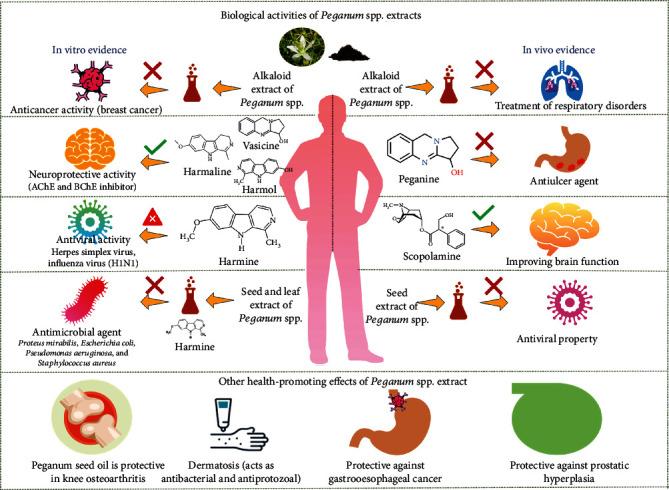
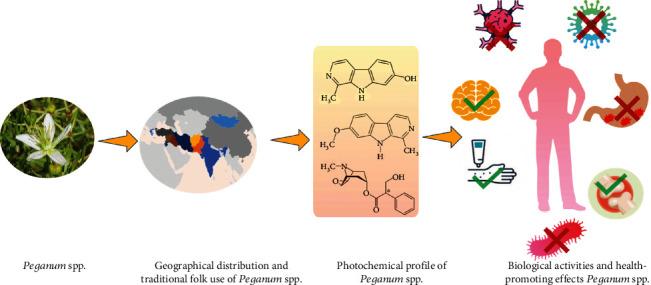
The genus includes four species widely distributed in warm temperate to subtropical regions from the Mediterranean to Mongolia as well as certain regions in America. Among these species, L., distributed from the Mediterranean region to Central Asia, has been studied and its phytochemical profile, traditional folk use, and application in pharmacological and clinical trials are well known. The review is aimed at presenting an insight into the botanical features and geographical distribution of spp. along with traditional folk uses. This manuscript also reviews the phytochemical profile of spp. and its correlation with biological activities evidenced by the and investigations. Moreover, this review gives us an understanding of the bioactive compounds from as health promoters followed by the safety and adverse effects on human health. In relation to their multipurpose therapeutic properties, various parts of this plant such as seeds, bark, and roots present bioactive compounds promoting health benefits. An updated search (until December 2020) was carried out in databases such as PubMed and ScienceDirect. Chemical studies have presented beta-carboline alkaloids as the most active constituents, with harmalol, harmaline, and harmine being the latest and most studied among these naturally occurring alkaloids. The spp. extracts have shown neuroprotective, anticancer, antimicrobial, and antiviral effects. The extracts are also found effective in improving respiratory disorders (asthma and cough conditions), dermatoses, and knee osteoarthritis. Bioactivities and health-enhancing effects of spp. make it a potential candidate for the formulation of functional foods and pharmaceutical drugs. Nevertheless, adverse effects of this plant have also been described, and therefore new bioproducts need to be studied in depth. In fact, the design of new formulations and nanoformulations to control the release of active compounds will be necessary to achieve successful pharmacological and therapeutic treatments.
包括四个物种广泛分布于温带至亚热带地区从地中海到蒙古以及某些地区的美国。在这些物种中,L.,分布从地中海地区到中亚,已经研究了其植物化学特征,传统民间用途,并在药理学和临床试验中的应用是众所周知的。该综述旨在介绍植物学特征和地理分布的见解。 spp. 与传统民间用途。本文还综述了 spp. 的植物化学特征及其与生物学活性的相关性,这是由 和 研究证明的。此外,该综述使我们了解了植物作为健康促进剂的生物活性化合物,以及随后对人类健康的安全性和不良反应。鉴于其多用途的治疗特性,该植物的各种部位,如种子、树皮和根,都含有促进健康益处的生物活性化合物。在数据库中进行了更新的搜索(截至 2020 年 12 月),如 PubMed 和 ScienceDirect。化学研究表明β-咔啉生物碱是最活跃的成分,其中哈尔莫林、哈尔马琳和哈尔碱是这些天然存在的生物碱中最新和最受研究的。 spp. 提取物具有神经保护、抗癌、抗菌和抗病毒作用。提取物也被发现有效改善呼吸障碍(哮喘和咳嗽状况)、皮肤病和膝骨关节炎。 spp. 的生物活性和增强健康的作用使其成为功能性食品和药物制剂的潜在候选物。然而,这种植物也有不良反应的描述,因此需要对新的生物产品进行深入研究。事实上,设计新的制剂和纳米制剂来控制活性化合物的释放将是必要的,以实现成功的药理学和治疗治疗。


 Zotero 插件