
公众对社交媒体的认知、新冠疫情的影响及相关误解
General Public Perception of Social Media, Impact of COVID-19 Pandemic, and Related Misconceptions.
作者信息
Ali Rabiya, Jawed Shireen, Baig Mukhtiar, Azam Malik Ahmad, Syed Fatima, Rehman Rehana
机构信息
Department of Physiology, Karachi Institute of Medical Sciences (KIMS), Karachi, Pakistan.
Department of Physiology, Aziz Fatima Medical and Dental College.
出版信息
Disaster Med Public Health Prep. 2021 Jul 15;17:e23. doi: 10.1017/dmp.2021.229.
OBJECTIVES
This research aimed at investigating the general public perception of social media (SM), impact of COVID-19 (SARS-CoV-2) pandemic, and related misconceptions among the Pakistani population.
METHODOLOGY
Cross-sectional study conducted during the peak of COVID-19 in Pakistan between May and June, 2020 comprised of 2307 Pakistani male and female participants. Subjects under 18 years of age and nationality other than Pakistani were excluded. An online questionnaire was administered via the Internet using various kinds of social media.
RESULTS
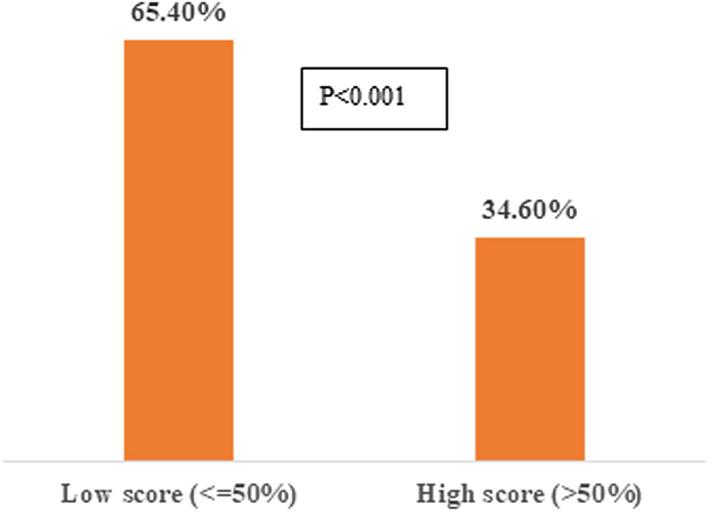
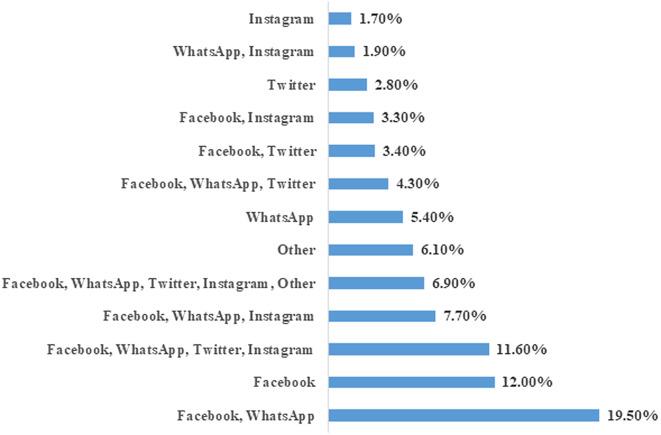
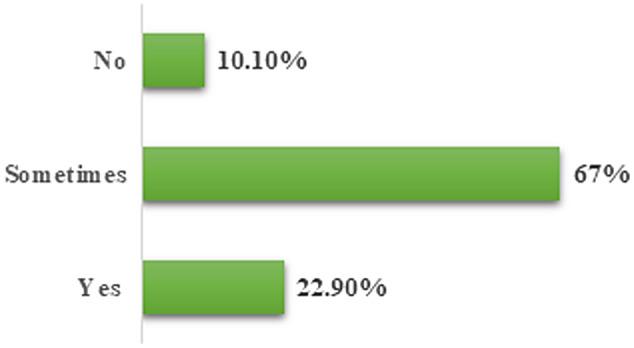
The study was comprised of 2307 male and female participants; 2074 (89.90%) used SM for seeking COVID-19 information, 450 (20%) used both Facebook (FB) and WhatsApp (WA), and 267 (11.6%) used FB, WA, Twitter, and Instagram. Respondents' perceptions showed that: 529 (23%) believed in SM information and 1564 (67.8%) stated that COVID-19 affected their social and mental wellbeing. Respondents' knowledge revealed that: 1509 (65.40%) had poor knowledge (≤ 50% score), and 798 (34.6%) had good knowledge (> 50% score) ( < 0.001) about COVID-19. Binary logistic regression analysis showed that higher-earning positively correlated, while private jobs were negatively associated, with good knowledge.
CONCLUSION
FB and WA were the 2 common social media used by study participants (a third had good knowledge). COVID-19 affected the social, mental, and psychological well-being of individuals. Good knowledge was greater in individuals with higher earning and less with private job involvements.
目的
本研究旨在调查巴基斯坦民众对社交媒体的总体看法、新冠疫情(严重急性呼吸综合征冠状病毒2)的影响以及相关误解。
方法
2020年5月至6月在巴基斯坦新冠疫情高峰期进行的横断面研究,共有2307名巴基斯坦男女参与者。排除18岁以下的受试者和非巴基斯坦国籍的受试者。通过互联网使用各种社交媒体发放在线问卷。
结果
该研究包括2307名男女参与者;2074人(89.90%)使用社交媒体获取新冠疫情信息,450人(20%)同时使用脸书(FB)和WhatsApp(WA),267人(11.6%)使用脸书、WA、推特和照片墙。受访者的看法显示:529人(23%)相信社交媒体上的信息,1564人(67.8%)表示新冠疫情影响了他们的社交和心理健康。受访者的知识水平显示:1509人(65.40%)对新冠疫情的了解较差(得分≤50%),798人(34.6%)对新冠疫情的了解较好(得分>50%)(<0.001)。二元逻辑回归分析显示,高收入与良好的知识水平呈正相关,而从事私人工作与良好的知识水平呈负相关。
结论
脸书和WA是研究参与者使用的两种常见社交媒体(三分之一的人了解较好)。新冠疫情影响了个人的社交、心理和精神健康。高收入者对新冠疫情的了解较好,从事私人工作者对新冠疫情的了解较少。

 Zotero 插件