
从人类病原体光滑念珠菌的首次接触到生物膜的建立:从全基因组到纳米尺度的观察。
From the first touch to biofilm establishment by the human pathogen Candida glabrata: a genome-wide to nanoscale view.
机构信息
Department of Bioengineering, Instituto Superior Técnico, Universidade de Lisboa, Lisbon, Portugal.
Biological Sciences Research Group, iBB - Institute for Bioengineering and Biosciences, Instituto Superior Técnico, Lisbon, Portugal.
出版信息
Commun Biol. 2021 Jul 20;4(1):886. doi: 10.1038/s42003-021-02412-7.
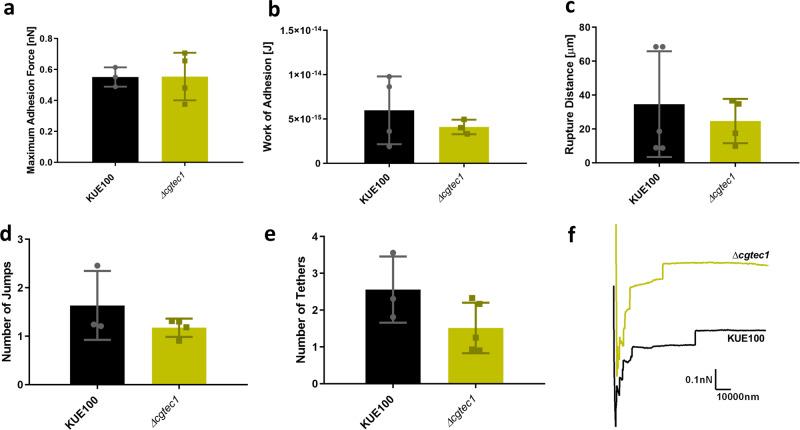
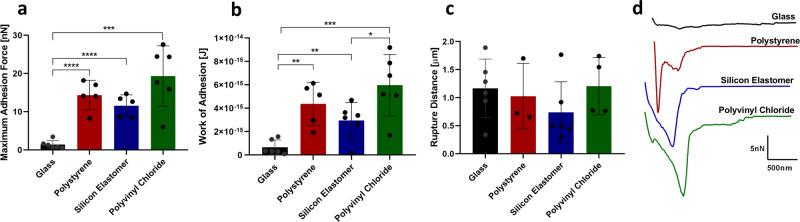
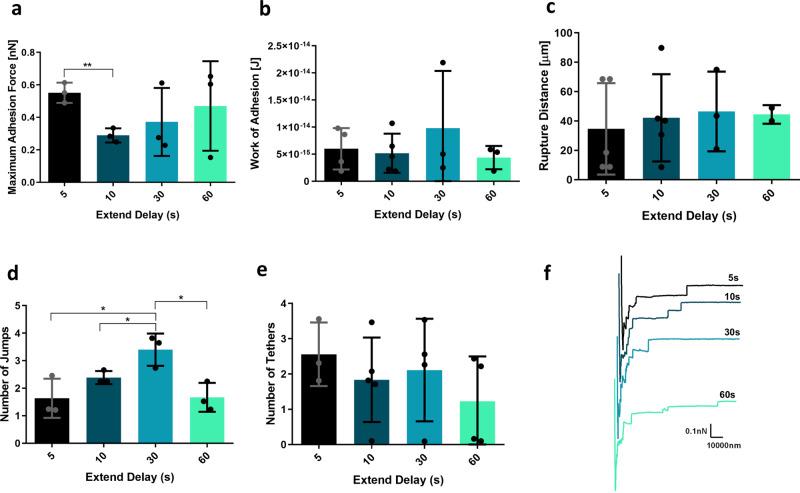
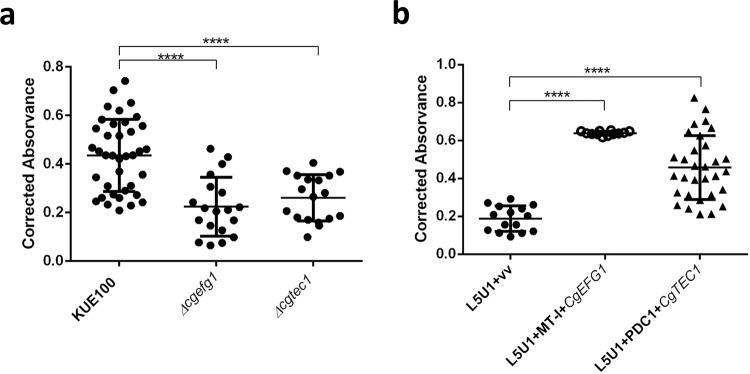
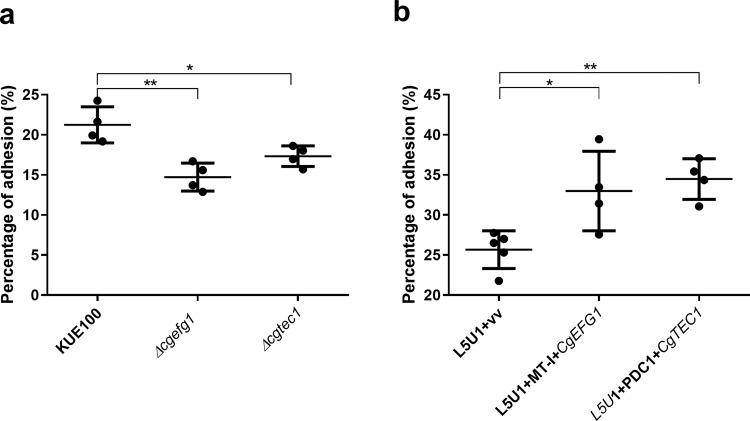
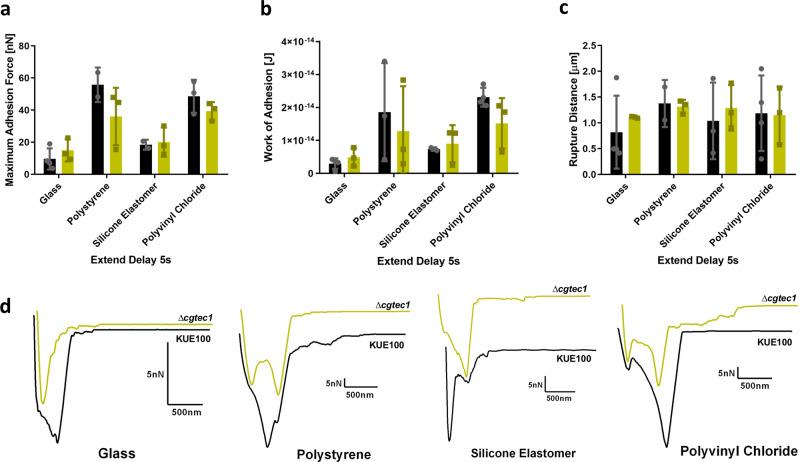
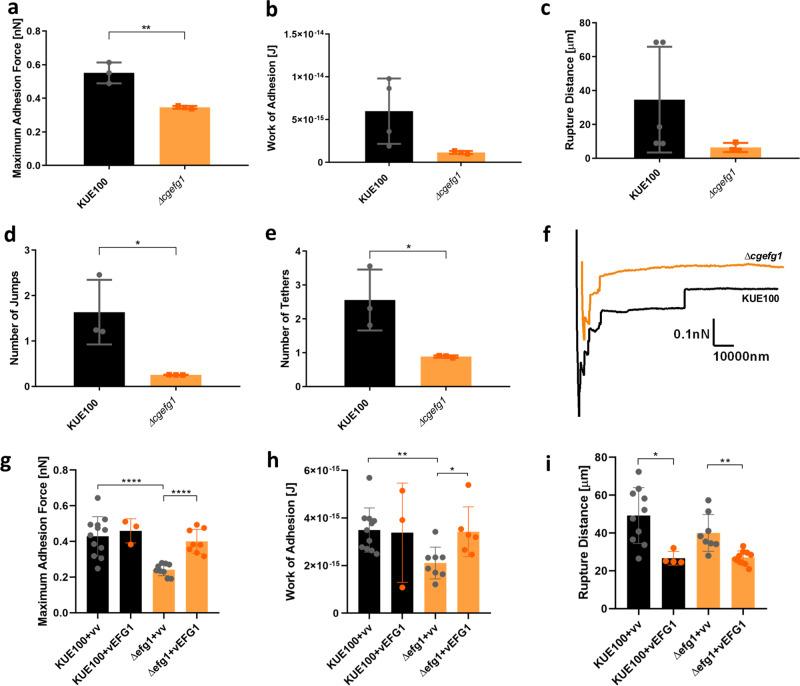
Candida glabrata is an opportunistic pathogen that adheres to human epithelial mucosa and forms biofilm to cause persistent infections. In this work, Single-cell Force Spectroscopy (SCFS) was used to glimpse at the adhesive properties of C. glabrata as it interacts with clinically relevant surfaces, the first step towards biofilm formation. Following a genetic screening, RNA-sequencing revealed that half of the entire transcriptome of C. glabrata is remodeled upon biofilm formation, around 40% of which under the control of the transcription factors CgEfg1 and CgTec1. Using SCFS, it was possible to observe that CgEfg1, but not CgTec1, is necessary for the initial interaction of C. glabrata cells with both abiotic surfaces and epithelial cells, while both transcription factors orchestrate biofilm maturation. Overall, this study characterizes the network of transcription factors controlling massive transcriptional remodelling occurring from the initial cell-surface interaction to mature biofilm formation.
光滑念珠菌是一种机会致病菌,它黏附在人体上皮黏膜上,并形成生物膜以引起持续性感染。在这项工作中,单细胞力谱(SCFS)被用于观察光滑念珠菌与临床相关表面相互作用时的黏附特性,这是形成生物膜的第一步。经过基因筛选,RNA 测序显示,光滑念珠菌的整个转录组有一半在形成生物膜时被重塑,其中约 40%受到转录因子 CgEfg1 和 CgTec1 的控制。通过 SCFS,我们可以观察到 CgEfg1(而非 CgTec1)对于光滑念珠菌细胞与非生物表面和上皮细胞的初始相互作用是必需的,而这两个转录因子共同调控生物膜的成熟。总的来说,这项研究描绘了控制从初始细胞-表面相互作用到成熟生物膜形成过程中大规模转录重塑的转录因子网络。


 Zotero 插件