
人类cDNA在苔藓中的表达产生了剪接的mRNA和片段化的蛋白质异构体。
Expression of a human cDNA in moss results in spliced mRNAs and fragmentary protein isoforms.
作者信息
Top Oguz, Milferstaedt Stella W L, van Gessel Nico, Hoernstein Sebastian N W, Özdemir Bugra, Decker Eva L, Reski Ralf
机构信息
Plant Biotechnology, Faculty of Biology, University of Freiburg, Freiburg, Germany.
Spemann Graduate School of Biology and Medicine (SGBM), University of Freiburg, Freiburg, Germany.
出版信息
Commun Biol. 2021 Aug 12;4(1):964. doi: 10.1038/s42003-021-02486-3.
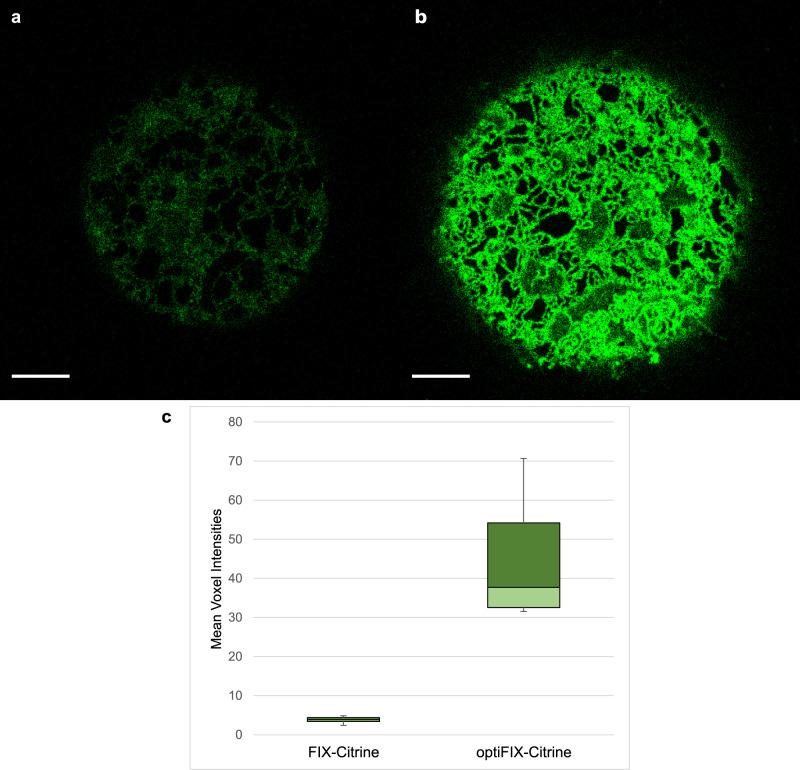
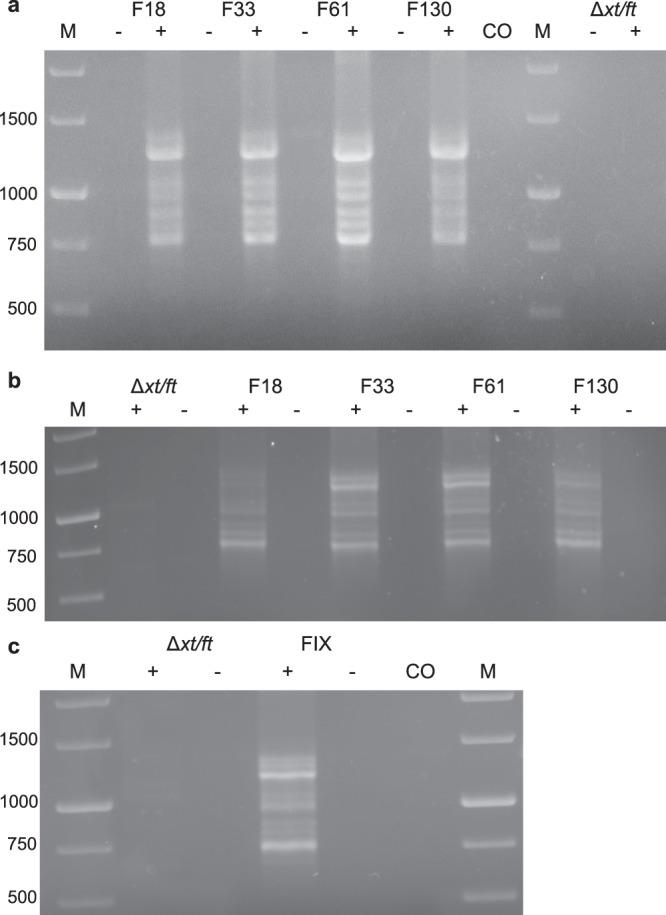
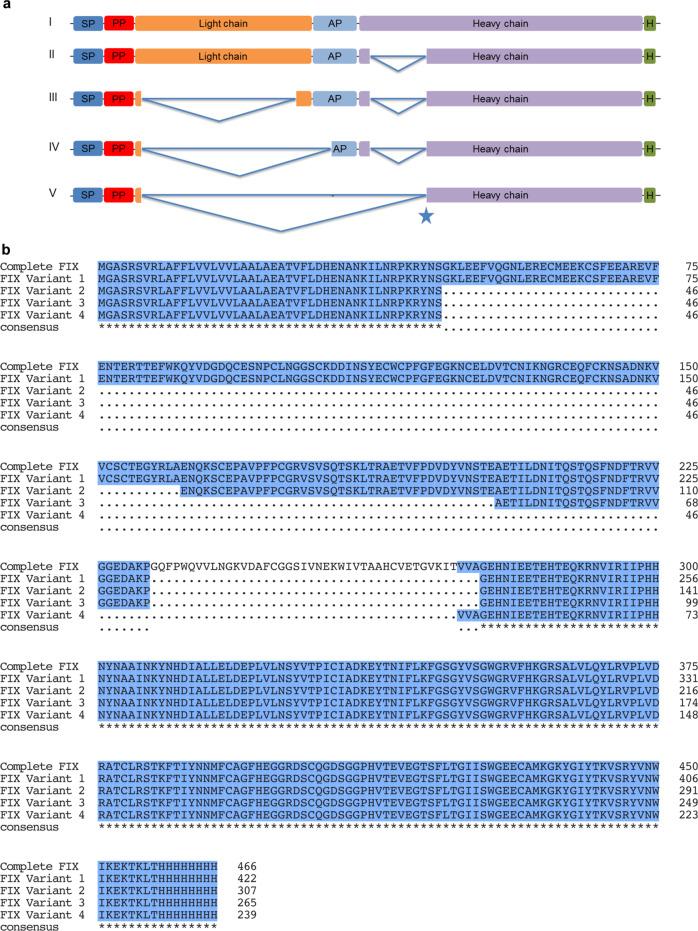
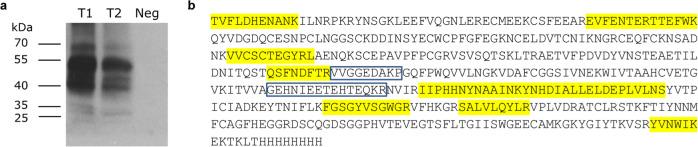
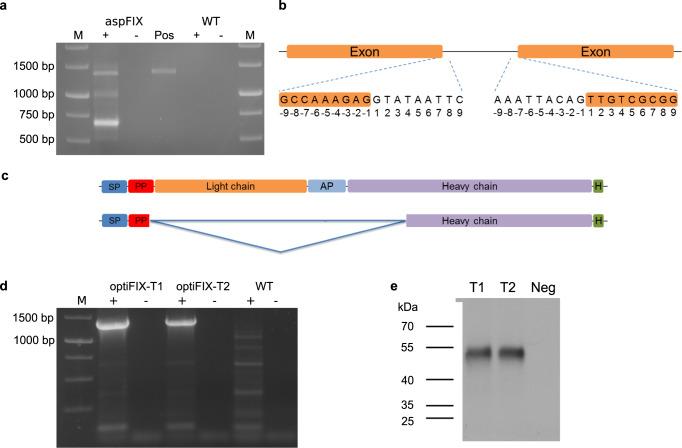
Production of biopharmaceuticals relies on the expression of mammalian cDNAs in host organisms. Here we show that the expression of a human cDNA in the moss Physcomitrium patens generates the expected full-length and four additional transcripts due to unexpected splicing. This mRNA splicing results in non-functional protein isoforms, cellular misallocation of the proteins and low product yields. We integrated these results together with the results of our analysis of all 32,926 protein-encoding Physcomitrella genes and their 87,533 annotated transcripts in a web application, physCO, for automatized optimization. A thus optimized cDNA results in about twelve times more protein, which correctly localizes to the ER. An analysis of codon preferences of different production hosts suggests that similar effects occur also in non-plant hosts. We anticipate that the use of our methodology will prevent so far undetected mRNA heterosplicing resulting in maximized functional protein amounts for basic biology and biotechnology.
生物制药的生产依赖于哺乳动物cDNA在宿主生物中的表达。在此,我们表明,由于意外剪接,人类cDNA在小立碗藓中的表达产生了预期的全长转录本以及另外四种转录本。这种mRNA剪接会导致无功能的蛋白质异构体、蛋白质在细胞内的错误定位以及低产量。我们将这些结果与我们对小立碗藓所有32926个蛋白质编码基因及其87533个注释转录本的分析结果整合到一个网络应用程序physCO中,以实现自动化优化。这样优化后的cDNA所产生的蛋白质增加了约12倍,且能正确定位于内质网。对不同生产宿主密码子偏好的分析表明,非植物宿主中也会出现类似的影响。我们预计,使用我们的方法将防止迄今未被检测到的mRNA异源剪接,从而为基础生物学和生物技术带来最大化的功能性蛋白产量。

 Zotero 插件