
淡水生态系统中微塑料污染监测协议:迈向高通量样品处理——MICROPLASTREAM
Protocol for microplastic pollution monitoring in freshwater ecosystems: Towards a high-throughput sample processing - MICROPLASTREAM.
作者信息
de Carvalho Aline Reis, Van-Craynest Camille, Riem-Galliano Louna, Ter Halle Alexandra, Cucherousset Julien
机构信息
CNRS, Université Toulouse III - Paul Sabatier, UMR 5623 Laboratoire des Interactions Moléculaires et Réactivité Chimique et Photochimique (IMRCP), 118 route de Narbonne, Toulouse 31062, France.
CNRS, Université Toulouse III - Paul Sabatier, IRD, UMR 5174 Laboratoire Évolution et Diversité Biologique (EDB), 118 route de Narbonne, Toulouse 31062, France.
出版信息
MethodsX. 2021 May 25;8:101396. doi: 10.1016/j.mex.2021.101396. eCollection 2021.
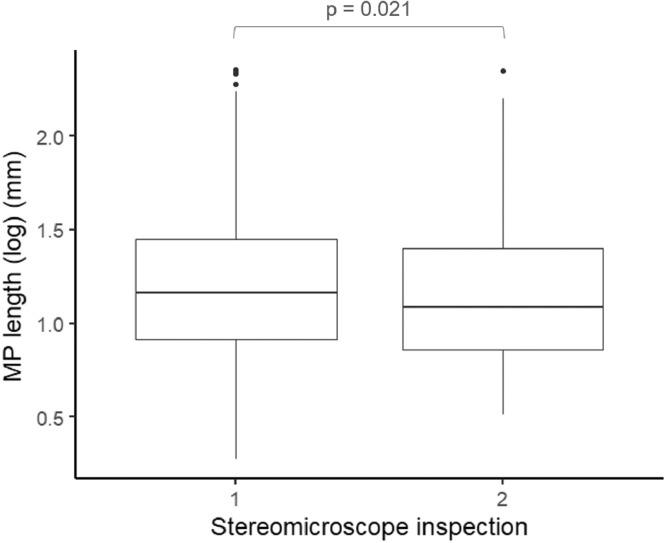
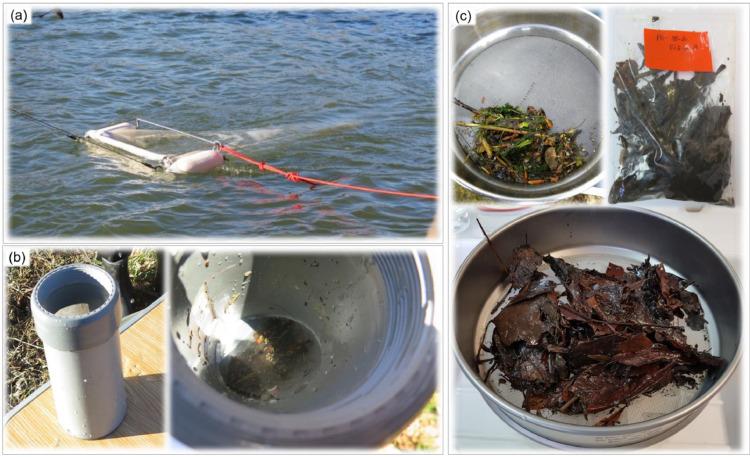
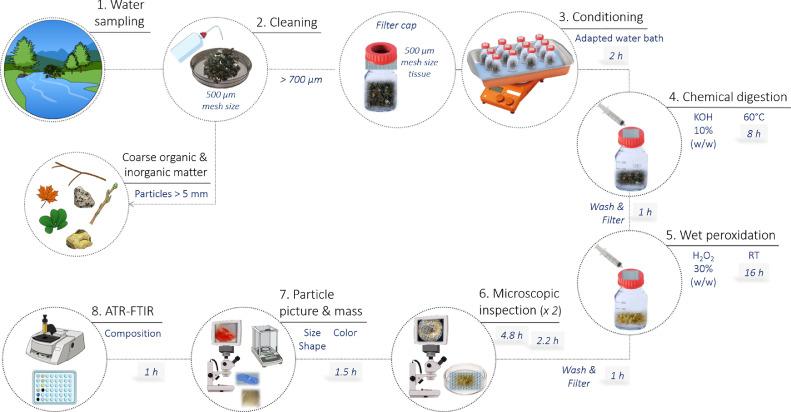
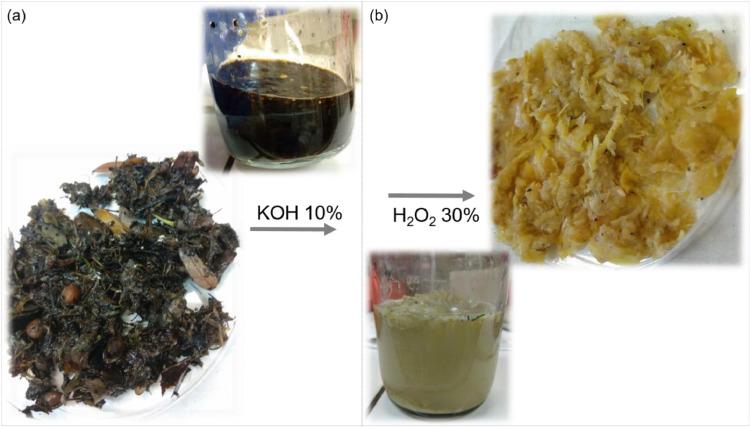
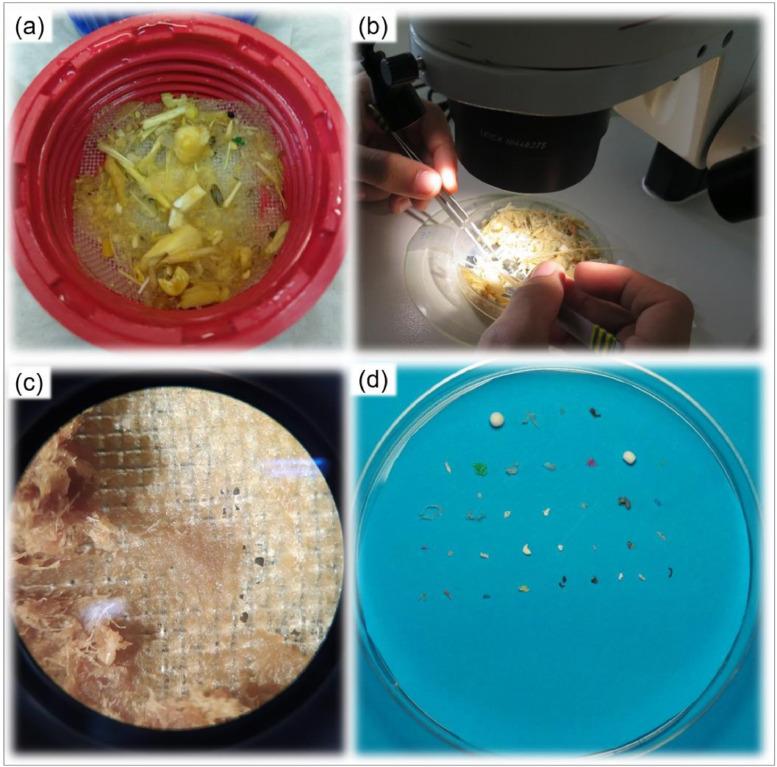
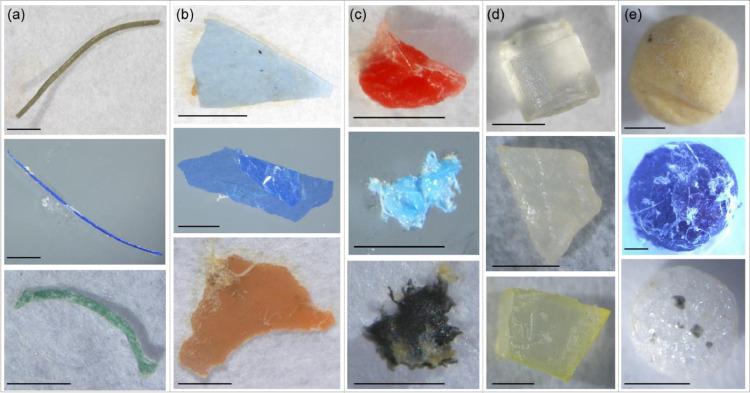
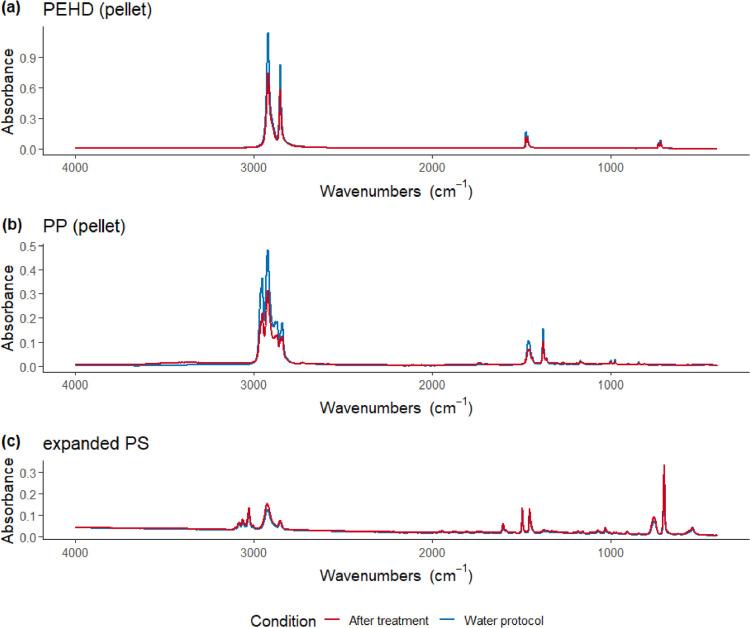
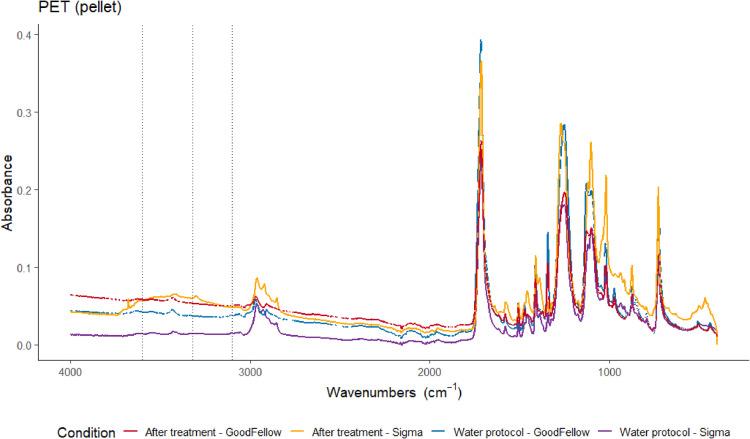
Robust and reproducible quantification of microplastic pollution in freshwater ecosystems requires the processing of a large amount of samples collected in varying environmental conditions. Such samples are characterized by a high amount of organic matter compared to microplastics and are highly variable in terms of the quantity and the composition of matrices, requiring a standardized analytical protocol for sample treatment and analysis. However, two important and time-consuming steps for microplastic recovery are the elimination of organic matter and microscopic inspection of samples. Here, we developed and validated a protocol, targeting particles with length ranging from 700 µm to 5 mm, that includes a double-step digestion of organic matter, consisting of incubation with potassium hydroxide followed by hydrogen peroxide solutions, and two stereomicroscopic analyses. In addition, we developed several technical improvements allowing reducing the time needed to process samples, such as the design of an adapted filter-cap to improve the content transfer. The absence of physical and chemical alterations in the investigated microplastic pellets and the average reduction of 65.8% (± 9.59 SD) of organic matter in real samples demonstrated that our protocol is fit for purpose. We recommend a second stereomicroscopic analysis to avoid underestimating microplastic concentration and particle size distribution biased towards larger particles. When used for a large-scale monitoring of microplastic pollution, this protocol resulted in an estimated time of 38 h for one person for the treatment of a batch of 24 samples, allowing a higher throughput sample processing and reproducible quantification. • • • .
对淡水生态系统中的微塑料污染进行稳健且可重复的量化,需要处理在不同环境条件下收集的大量样本。与微塑料相比,此类样本的特点是含有大量有机物,并且在基质的数量和组成方面变化很大,这就需要一个标准化的分析方案来进行样本处理和分析。然而,微塑料回收的两个重要且耗时的步骤是去除有机物和对样本进行显微镜检查。在此,我们开发并验证了一种方案,该方案针对长度在700微米至5毫米范围内的颗粒,包括两步有机物消化,即先用氢氧化钾孵育,然后用过氧化氢溶液处理,以及两次体视显微镜分析。此外,我们还进行了多项技术改进,以减少处理样本所需的时间,例如设计了一种适配的滤帽以改善内容物转移。在所研究的微塑料颗粒中未出现物理和化学变化,并且实际样本中的有机物平均减少了65.8%(±9.59标准差),这表明我们的方案符合要求。我们建议进行第二次体视显微镜分析,以避免低估微塑料浓度以及偏向较大颗粒的粒径分布偏差。当用于大规模监测微塑料污染时,该方案估计一个人处理一批24个样本需要38小时,从而实现更高的通量样本处理和可重复的量化。 • • •



 Zotero 插件