
正常妊娠和子痫前期的胎盘循环:功能适应与失适应。
Uteroplacental Circulation in Normal Pregnancy and Preeclampsia: Functional Adaptation and Maladaptation.
机构信息
Lawrence D. Longo, MD Center for Perinatal Biology, Department of Basic Sciences, School of Medicine, Loma Linda University, Loma Linda, CA 92350, USA.
出版信息
Int J Mol Sci. 2021 Aug 11;22(16):8622. doi: 10.3390/ijms22168622.
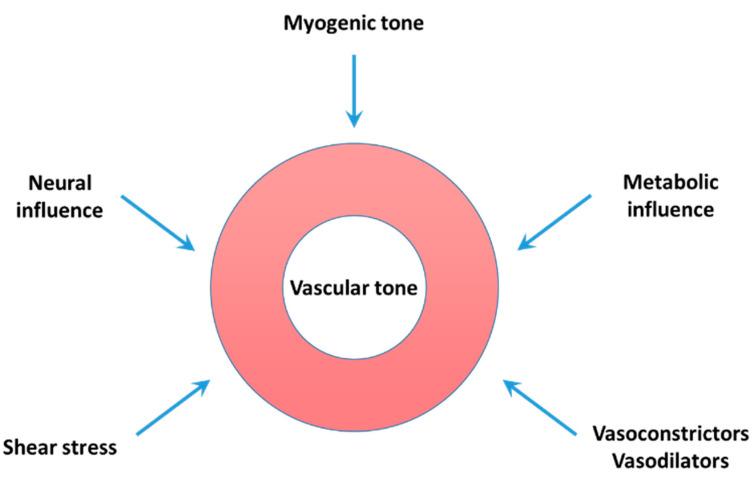
Uteroplacental blood flow increases as pregnancy advances. Adequate supply of nutrients and oxygen carried by uteroplacental blood flow is essential for the well-being of the mother and growth/development of the fetus. The uteroplacental hemodynamic change is accomplished primarily through uterine vascular adaptation, involving hormonal regulation of myogenic tone, vasoreactivity, release of vasoactive factors and others, in addition to the remodeling of spiral arteries. In preeclampsia, hormonal and angiogenic imbalance, proinflammatory cytokines and autoantibodies cause dysfunction of both endothelium and vascular smooth muscle cells of the uteroplacental vasculature. Consequently, the vascular dysfunction leads to increased vascular resistance and reduced blood flow in the uteroplacental circulation. In this article, the (mal)adaptation of uteroplacental vascular function in normal pregnancy and preeclampsia and underlying mechanisms are reviewed.
随着妊娠的进展,子宫胎盘血流增加。子宫胎盘血流携带的营养物质和氧气的充足供应对母亲的健康和胎儿的生长/发育至关重要。子宫胎盘血液动力学的变化主要通过子宫血管适应来实现,涉及血管平滑肌肌源性张力、血管反应性、血管活性因子的释放等的激素调节,以及螺旋动脉的重塑。在子痫前期中,激素和血管生成失衡、促炎细胞因子和自身抗体导致子宫胎盘血管内皮细胞和血管平滑肌细胞功能障碍。因此,血管功能障碍导致子宫胎盘循环中的血管阻力增加和血流减少。本文综述了正常妊娠和子痫前期中子宫胎盘血管功能的(适应性)改变及其潜在机制。

 Zotero 插件