
评估由稻壳通过MF780864生物合成的二氧化硅纳米颗粒(SiONPs)作为尼罗罗非鱼免疫状态的水体铅吸附剂的使用情况。 (注:原文句子结构和表述较混乱,翻译时尽量调整通顺,但可能仍存在一定理解难度)
Assessment the using of silica nanoparticles (SiONPs) biosynthesized from rice husks by MF780864 as water lead adsorbent for immune status of Nile tilapia (.
作者信息
El-Gazzar Nashwa, Almanaa Taghreed N, Reda Rasha M, El Gaafary M N, Rashwan A A, Mahsoub Fatma
机构信息
Department of Botany and Microbiology, Faculty of science, Zagazig University, 44519 Zagazig, Egypt.
Department of Botany and Microbiology, College of Science, King Saud University, 11495 Riyadh, Saudi Arabia.
出版信息
Saudi J Biol Sci. 2021 Sep;28(9):5119-5130. doi: 10.1016/j.sjbs.2021.05.027. Epub 2021 May 21.
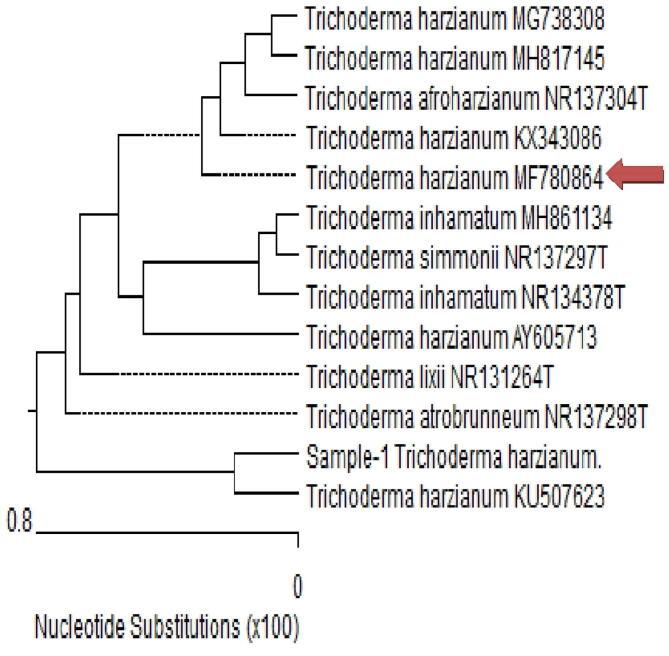
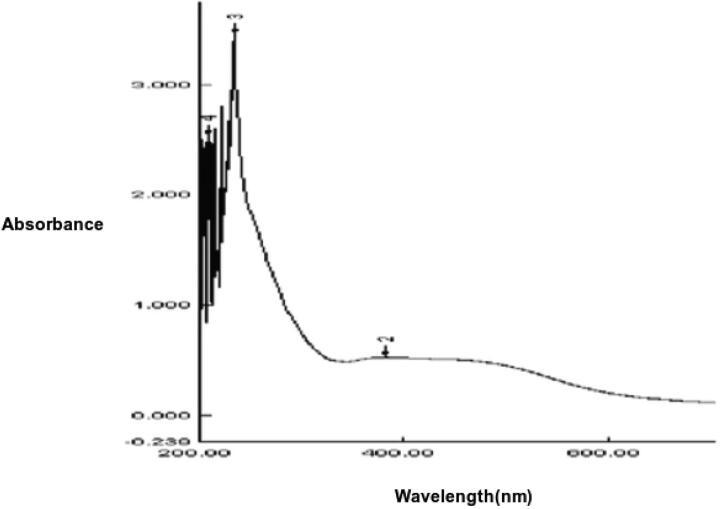
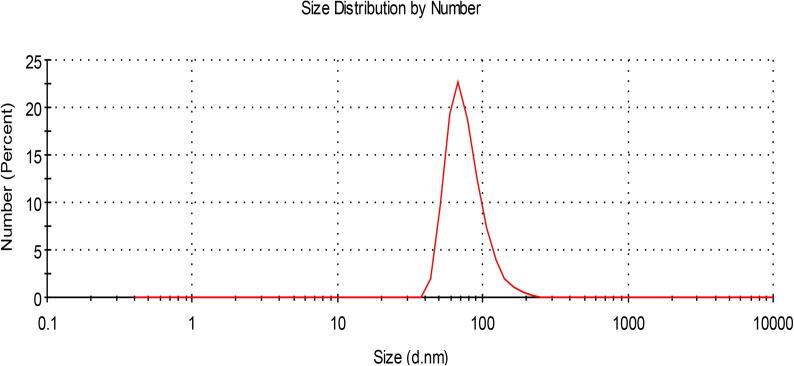
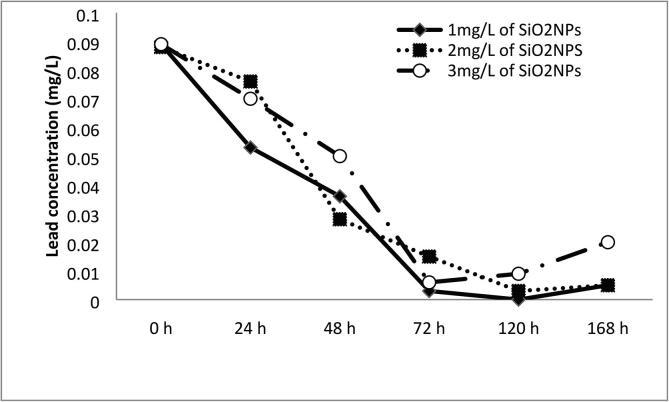
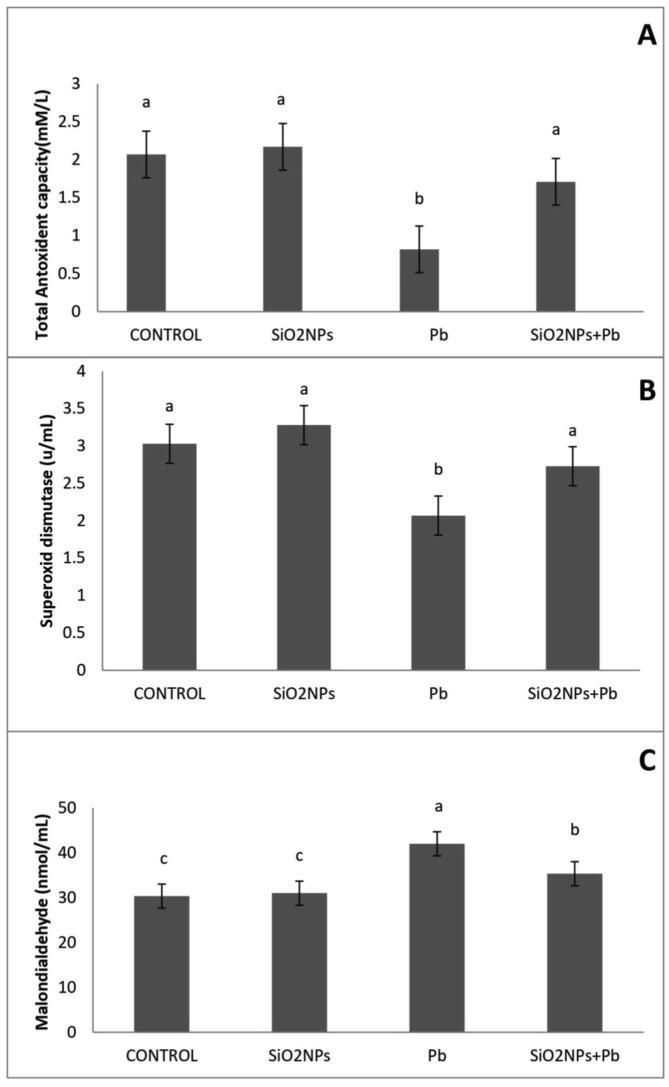
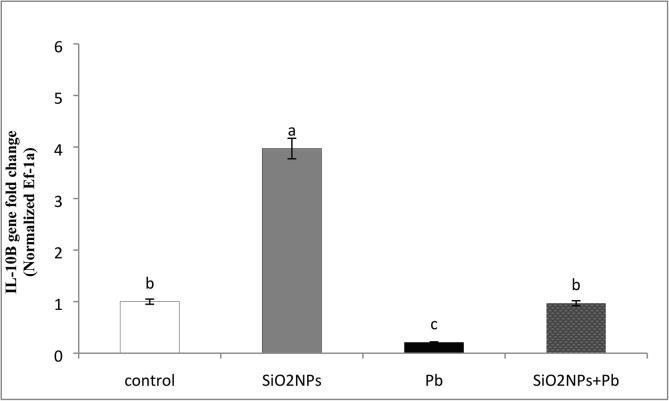
Rice husks (RHs) was used as a substrate for biosynthesis of high-value Silica nanoparticles (SiONPs). An isolate of MF780864 () was isolated and identified based on the Internal Transcribed Spacers (ITS) sequences; it showed the potentiality to induce SiONPs in the process of RHs biotransformation. SiONPs were produced extracellularly and their size was of about 89 nm. SiONPs characterized by oval, rod and cubical particles by using Transmission Electron Microscope (TEM).The Fourier transform infrared spectroscopy (FTIR) confirmed the presence of various functional groups of biomolecules and capping protein, encapsulating SiONPs. Water and fish samples were collected from private fish farms in El-Sharkia Governorate, Egypt. Lead (Pb) was detected from water and fish samples at its highest concentration at about 0.088 mg/L. The adsorption capacity of Pb by SiONPs was evaluated by testing different concentrations of SiONPs viz. 1, 2, and 3 mg/L, wherein 1 mg/L revealed the highest Pb adsorption efficiency. Within laboratory trials, the results indicated that highest Pb adsorption efficiency revealed through the increasing of SiONPs concentrations until 120 h. trial that lasted for 8 weeks, Nile tilapia ( (29.78 ± 0.36 g body weight) supplemented with 0.088 mg/L Pb was divided into four experimental groups having three replicates (15 fish/replicate; 45 fish/group). The results showed that SiONPs supplementation through water revealed significant increase in growth and hematological parameters of . Moreover, enhancement of antioxidant capacity (TAC), and immune related gene expression of IL-1 were increased in the presence of SiONPs compared with the groups of Pb exposure. Moreover, Pb residue level in fish muscles was noticeably decreased in the SiONPs treated groups. Thus, this research opens up other possibilities in the field of using SiONPs as a lead adsorbent for water bioremediation.
稻壳(RHs)被用作生物合成高价值二氧化硅纳米颗粒(SiONPs)的底物。基于内部转录间隔区(ITS)序列分离并鉴定出一株菌株MF780864;它显示出在RHs生物转化过程中诱导生成SiONPs的潜力。SiONPs在细胞外产生,其尺寸约为89纳米。通过透射电子显微镜(TEM)观察,SiONPs呈现出椭圆形、棒状和立方体状颗粒。傅里叶变换红外光谱(FTIR)证实了生物分子和封端蛋白的各种官能团的存在,这些官能团包裹着SiONPs。从埃及谢赫村省的私人养鱼场采集了水和鱼样本。在水和鱼样本中检测到铅(Pb),其最高浓度约为0.088毫克/升。通过测试不同浓度的SiONPs(即1、2和3毫克/升)来评估SiONPs对Pb的吸附能力,其中1毫克/升显示出最高的Pb吸附效率。在实验室试验中,结果表明,直到120小时,随着SiONPs浓度的增加,Pb吸附效率最高。在为期8周的试验中,将补充了0.088毫克/升Pb的尼罗罗非鱼(体重29.78±0.36克)分为四个实验组,每组有三个重复(每个重复15条鱼;每组45条鱼)。结果表明,通过水添加SiONPs显著提高了尼罗罗非鱼的生长和血液学参数。此外,与铅暴露组相比,在有SiONPs存在的情况下,抗氧化能力(TAC)增强,白细胞介素-1的免疫相关基因表达增加。此外,SiONPs处理组鱼肌肉中的铅残留水平明显降低。因此,本研究为将SiONPs用作水生物修复的铅吸附剂领域开辟了其他可能性。





 Zotero 插件