
通过计算方法研究摩洛哥MERS-CoV高暴露人群中DPP4受体结合残基的已鉴定非同义突变的影响。
Effect of identified non-synonymous mutations in DPP4 receptor binding residues among highly exposed human population in Morocco to MERS-CoV through computational approach.
作者信息
Abbad Anass, Anga Latifa, Faouzi Abdellah, Iounes Nadia, Nourlil Jalal
机构信息
Medical Virology and BSL-3+ Laboratory, Institut Pasteur Morocco, Casablanca, Morocco.
Laboratoire d'Ecologie et d'Environnement, Faculté des Sciences Ben M'sik, Université Hassan II - Casablanca, Casablanca, Morocco.
出版信息
PLoS One. 2021 Oct 14;16(10):e0258750. doi: 10.1371/journal.pone.0258750. eCollection 2021.
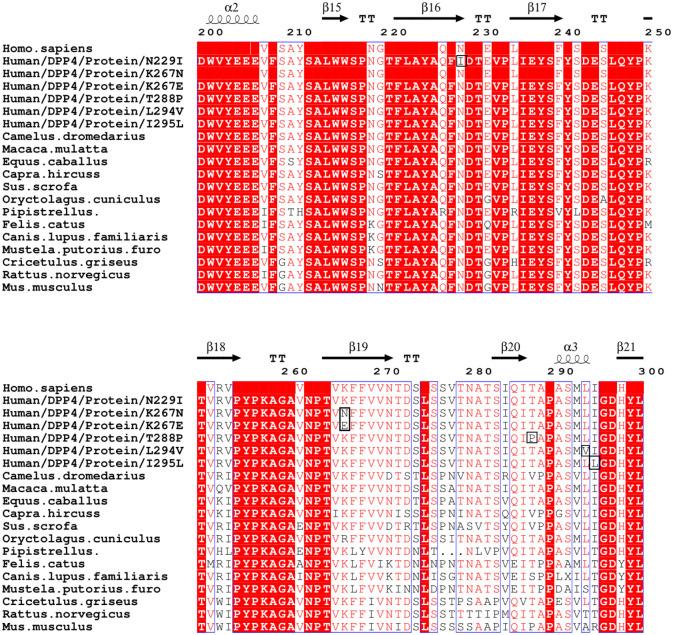
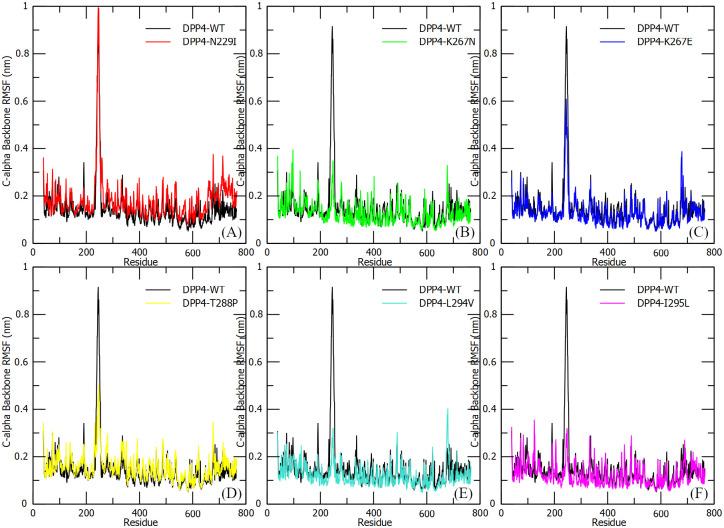
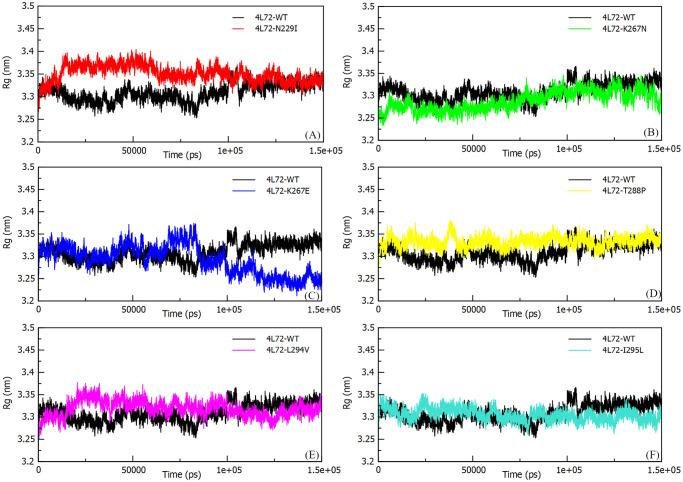
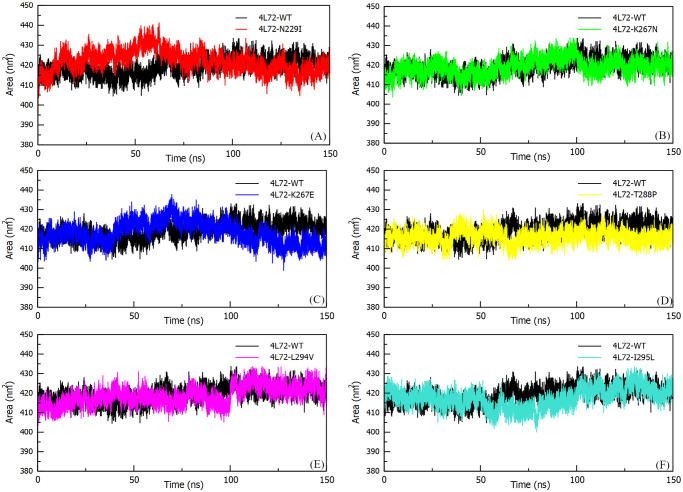
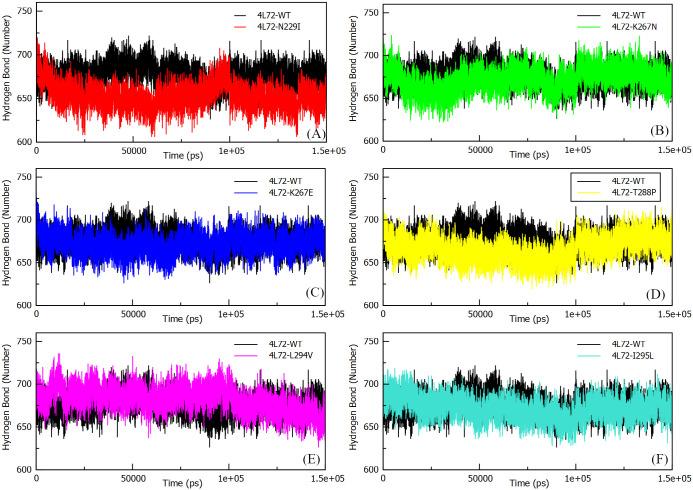
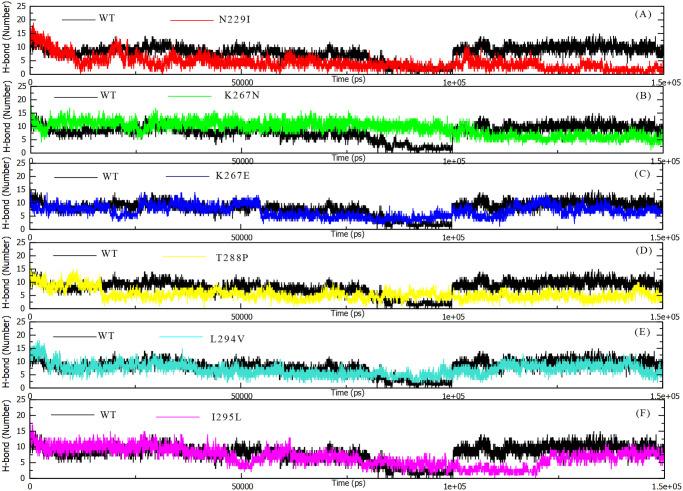
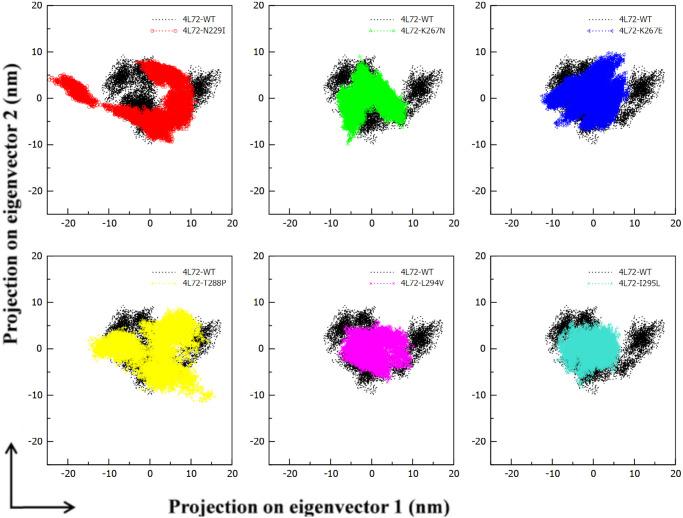
Dipeptidyl peptidase 4 (DPP4) has been identified as the main receptor of MERS-CoV facilitating its cellular entry and enhancing its viral replication upon the emergence of this novel coronavirus. DPP4 receptor is highly conserved among many species, but the genetic variability among direct binding residues to MERS-CoV restrained its cellular tropism to humans, camels and bats. The occurrence of natural polymorphisms in human DPP4 binding residues is not well characterized. Therefore, we aimed to assess the presence of potential mutations in DPP4 receptor binding domain (RBD) among a population highly exposed to MERS-CoV in Morocco and predict their effect on DPP4 -MERS-CoV binding affinity through a computational approach. DPP4 synonymous and non-synonymous mutations were identified by sanger sequencing, and their effect were modelled by mutation prediction tools, docking and molecular dynamics (MD) simulation to evaluate structural changes in human DPP4 protein bound to MERS-CoV S1 RBD protein. We identified eight mutations, two synonymous mutations (A291 =, R317 =) and six non-synonymous mutations (N229I, K267E, K267N, T288P, L294V, I295L). Through docking and MD simulation techniques, the chimeric DPP4 -MERS-CoV S1 RBD protein complex models carrying one of the identified non-synonymous mutations sustained a stable binding affinity for the complex that might lead to a robust cellular attachment of MERS-CoV except for the DPP4 N229I mutation. The latter is notable for a loss of binding affinity of DPP4 with MERS-CoV S1 RBD that might affect negatively on cellular entry of the virus. It is important to confirm our molecular modelling prediction with in-vitro studies to acquire a broader overview of the effect of these identified mutations.
二肽基肽酶4(DPP4)已被确定为中东呼吸综合征冠状病毒(MERS-CoV)的主要受体,在这种新型冠状病毒出现时促进其细胞进入并增强其病毒复制。DPP4受体在许多物种中高度保守,但与MERS-CoV直接结合残基之间的遗传变异性限制了其对人类、骆驼和蝙蝠的细胞嗜性。人类DPP4结合残基中自然多态性的发生情况尚未得到充分表征。因此,我们旨在评估摩洛哥高度暴露于MERS-CoV的人群中DPP4受体结合域(RBD)中潜在突变的存在情况,并通过计算方法预测它们对DPP4-MERS-CoV结合亲和力的影响。通过桑格测序鉴定DPP4的同义突变和非同义突变,并通过突变预测工具、对接和分子动力学(MD)模拟对其效果进行建模,以评估与MERS-CoV S1 RBD蛋白结合的人类DPP4蛋白的结构变化。我们鉴定出八个突变,两个同义突变(A291=、R317=)和六个非同义突变(N229I、K267E、K267N、T288P、L294V、I295L)。通过对接和MD模拟技术,携带其中一个已鉴定非同义突变的嵌合DPP4-MERS-CoV S1 RBD蛋白复合物模型对该复合物保持稳定的结合亲和力,这可能导致MERS-CoV的强大细胞附着,但DPP4 N229I突变除外。后者的显著特点是DPP4与MERS-CoV S1 RBD的结合亲和力丧失,这可能对病毒的细胞进入产生负面影响。通过体外研究证实我们的分子建模预测非常重要,以便更全面地了解这些已鉴定突变的影响。


 Zotero 插件