
姜黄对非酒精性脂肪性肝病患者血脂、丙二醛、肝脏回声及酶的影响:一项随机双盲临床试验
The effect of turmeric on lipid profile, malondialdehyde, liver echogenicity and enzymes among patients with nonalcoholic fatty liver disease: a randomized double blind clinical trial.
作者信息
Jarhahzadeh Maryam, Alavinejad Pezhman, Farsi Farnaz, Husain Durdana, Rezazadeh Afshin
机构信息
Department of Nutrition, Faculty of Paramedicine, Ahvaz Jundishapur University of Medical Sciences, Ahvaz, Iran.
Alimentary Tract Research Center, Ahvaz Jundishapur University of Medical Sciences, Azadegan Avenue, Ahvaz, Iran.
出版信息
Diabetol Metab Syndr. 2021 Oct 18;13(1):112. doi: 10.1186/s13098-021-00731-7.
BACKGROUND
Nonalcoholic fatty liver disease (NAFLD) is one of the most common causes of liver transaminases elevation and a global health concern.
PURPOSE
This study designed to evaluate the effects of turmeric rhizomes (Curcumalonga Linn.) on liver enzymes, Lipid profiles and Malondialdehyde (MDA) in patients with NAFLD.
STUDY DESIGN
Randomized double-blind placebo controlled trial.
METHODS
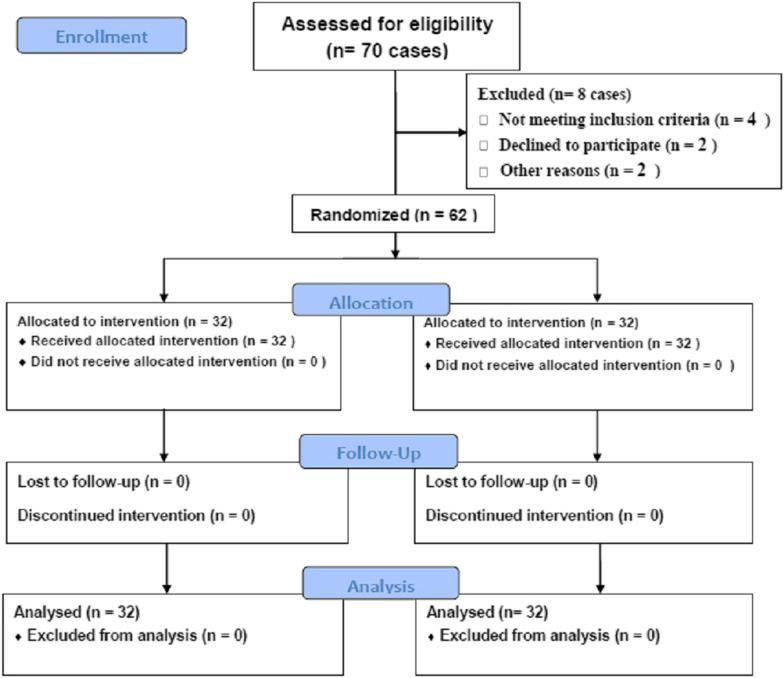
64 cases of NAFLD randomly assigned to receive either turmeric (2 gr/day) or placebo for 8 weeks. The changes of liver transaminases, lipid profiles and MDA were measured before and after study period and compared between two groups (IRCT 2015092924262N1).
RESULTS
At the end of the study, the Turmeric group showed a significant reduction in liver enzymes (AST before 26.81 ± 10.54 after 21.19 ± 5.67, P = 0.044, ALT before 39.56 ± 22.41, after 30.51 ± 12.61, P = 0.043 and GGT before33.81 ± 17.50, after 25.62 ± 9.88, P = 0.046) compared with the placebo group. The serum levels of triglycerides, LDL, HDL and MDA had also a significant decrease among turmeric group as compared to baseline while there was no significant change in placebo group (P < 0.05). The serum cholesterol, VLDL level and sonographic grades of NAFLD had not any significant change in both groups.
CONCLUSION
In conclusion this study suggests that daily consumption of turmeric (and its active phenolic ingredients as curcumin) supplementation could be effective in management of NAFLD and decreasing serum level of liver transaminases.
背景
非酒精性脂肪性肝病(NAFLD)是肝转氨酶升高最常见的原因之一,也是一个全球关注的健康问题。
目的
本研究旨在评估姜黄根茎(Curcumalonga Linn.)对NAFLD患者肝酶、血脂谱和丙二醛(MDA)的影响。
研究设计
随机双盲安慰剂对照试验。
方法
64例NAFLD患者随机分为两组,分别接受姜黄(2克/天)或安慰剂治疗8周。在研究期前后测量肝转氨酶、血脂谱和MDA的变化,并在两组之间进行比较(IRCT 2015092924262N1)。
结果
研究结束时,与安慰剂组相比,姜黄组的肝酶显著降低(AST:治疗前26.81±10.54,治疗后21.19±5.67,P = 0.044;ALT:治疗前39.56±22.41,治疗后30.51±12.61,P = 0.043;GGT:治疗前33.81±17.50,治疗后25.62±9.88,P = 0.046)。与基线相比,姜黄组的甘油三酯、低密度脂蛋白、高密度脂蛋白和MDA血清水平也显著降低,而安慰剂组无显著变化(P < 0.05)。两组的血清胆固醇、极低密度脂蛋白水平和NAFLD的超声分级均无显著变化。
结论
总之,本研究表明,每日补充姜黄(及其活性酚类成分姜黄素)可能对NAFLD的治疗有效,并可降低血清肝转氨酶水平。
 Zotero 插件