
用于生产墙体产品的彩陶废料。
Faience Waste for the Production of Wall Products.
作者信息
Petropavlovskii Kirill, Novichenkova Tatiana, Petropavlovskaya Victoria, Sulman Mikhail, Fediuk Roman, Amran Mugahed
机构信息
Moscow State University of Civil Engineering (MGSU), 129337 Moscow, Russia.
Tver State Technical University, 170026 Tver, Russia.
出版信息
Materials (Basel). 2021 Nov 5;14(21):6677. doi: 10.3390/ma14216677.
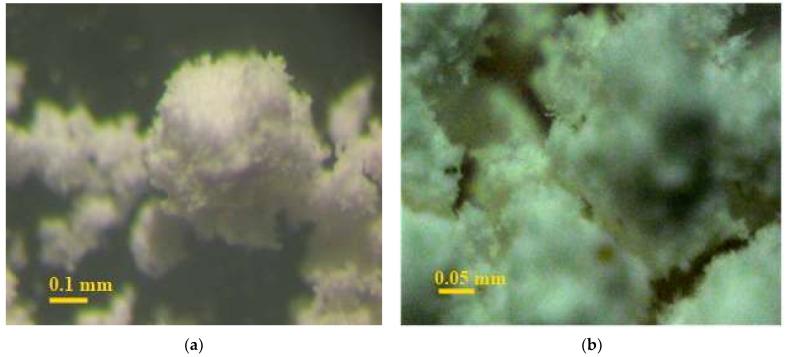
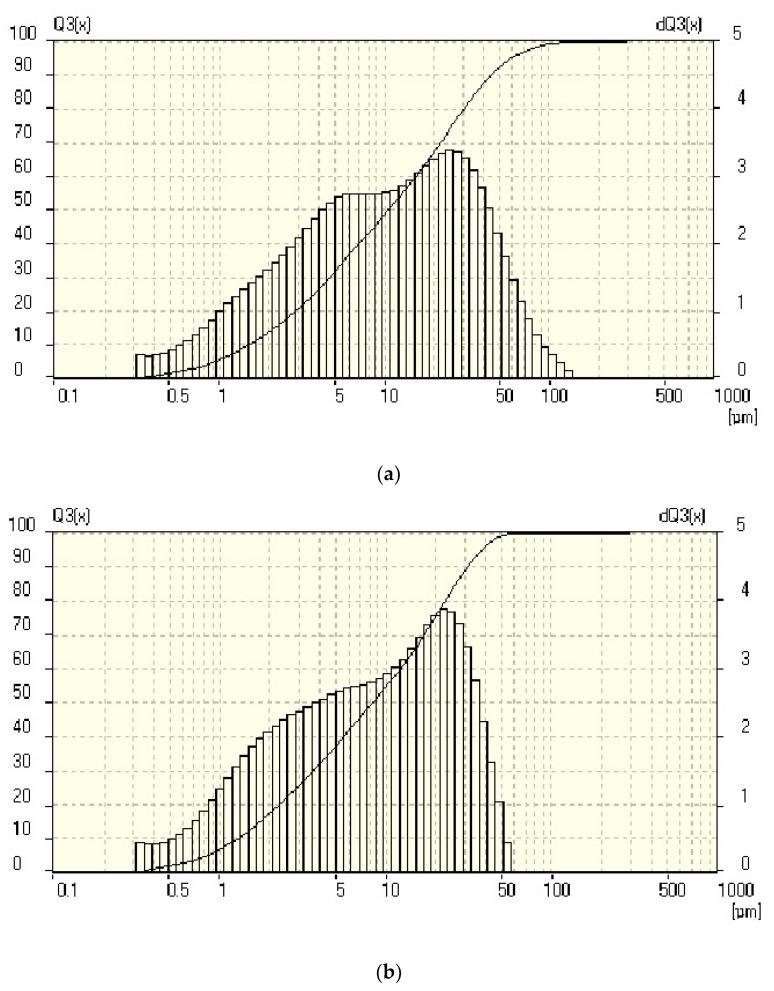
Increasing the efficiency of using gypsum binders can be carried out by using not natural gypsum raw materials, but calcium sulfate-containing waste from various industries (phosphogypsum, borogypsum, citrogypsum, etc.). As the main source material in the work, we used gypsum-containing waste from a faience factory in the form of waste molds for casting dishes, souvenirs and plumbing fixtures. It has been established that the optimal binding system is formed by mixing powders of dihydrate technogenic gypsum from a coarse and fine earthenware factory with average particle diameters of 3.473 microns and 3.065 microns in a percentage ratio of 30:70, respectively. Using a computer software developed by the authors, which makes it possible to simulate the microstructure of a raw mixture taking into account the contact interaction of particles and calculate the average coordination number, models of binary packing of particles were constructed at various ratios of their diameters. Studies of the strength of composites obtained on the basis of bidisperse systems have shown the presence of an extremum in the region of mixtures containing 30% coarse powder. With optimal packing, a large number of phase contacts are formed due to the regulation of the grain composition of the bidisperse system. It was revealed that a brick based on the waste of two-water gypsum from earthenware production has 2.5-5 times better characteristics of compressive strength than traditional building wall products based on natural gypsum. At the same time, the strength immediately after molding is more than 3 times higher than that of traditional gypsum products. Even higher indicators are achieved when adding microcalcite in addition to the waste of earthenware production, in this case, the compressive strength is 3-6 times higher, and the strength immediately after molding is almost 3 times higher than that of traditional gypsum products.
提高石膏粘结剂的使用效率可以通过使用非天然石膏原料,而是各种工业含硫酸钙废料(磷石膏、硼石膏、柠檬酸石膏等)来实现。在这项工作中,我们使用了一家彩陶厂的含石膏废料,其形式为用于铸造餐具、纪念品和卫生洁具的废模具。已经确定,最佳粘结体系是由粗、细陶厂平均粒径分别为3.473微米和3.065微米的二水工业石膏粉末按30:70的百分比比例混合而成。利用作者开发的计算机软件,可以考虑颗粒的接触相互作用来模拟原料混合物的微观结构并计算平均配位数,构建了不同直径比的颗粒二元堆积模型。对基于双分散体系获得的复合材料强度的研究表明,在含30%粗粉的混合物区域存在极值。通过最佳堆积,由于双分散体系颗粒组成的调节,形成了大量的相接触。结果表明,基于陶土生产的二水石膏废料制成的砖,其抗压强度特性比基于天然石膏的传统建筑墙体产品好2.5至5倍。同时,成型后立即的强度比传统石膏产品高出3倍以上。除了陶土生产废料外,添加微方解石时能获得更高的指标,在这种情况下,抗压强度高出3至6倍,成型后立即的强度比传统石膏产品高出近3倍。




 Zotero 插件