
肌肉转录组为研究绵羊衰老过程中基因表达的动态变化提供了第一个视角。
Muscle transcriptome provides the first insight into the dynamics of gene expression with progression of age in sheep.
机构信息
Animal Biotechnology Division, ICAR-National Bureau of Animal Genetic Resources, G T Road By-Pass, P O Box 129, Karnal, 132001, Haryana, India.
Karnataka Veterinary Animal and Fisheries Sciences University, Bangalore, 560024, India.
出版信息
Sci Rep. 2021 Nov 16;11(1):22360. doi: 10.1038/s41598-021-01848-5.
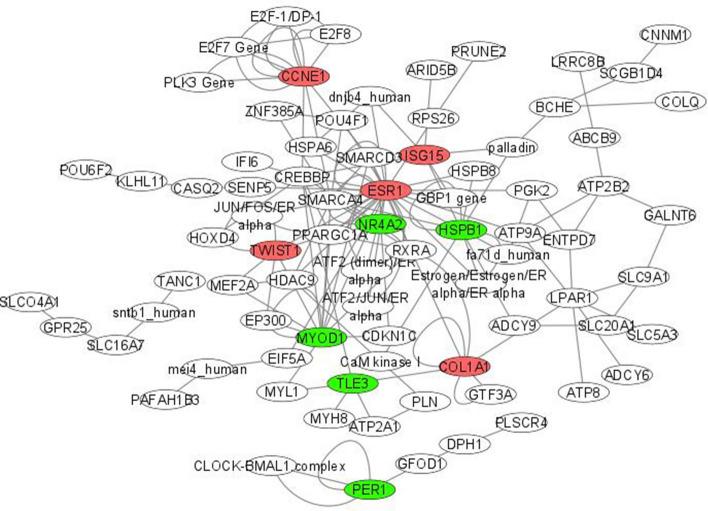
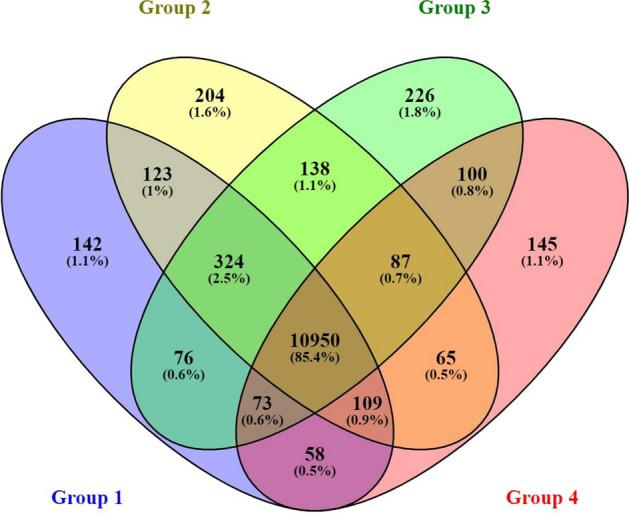
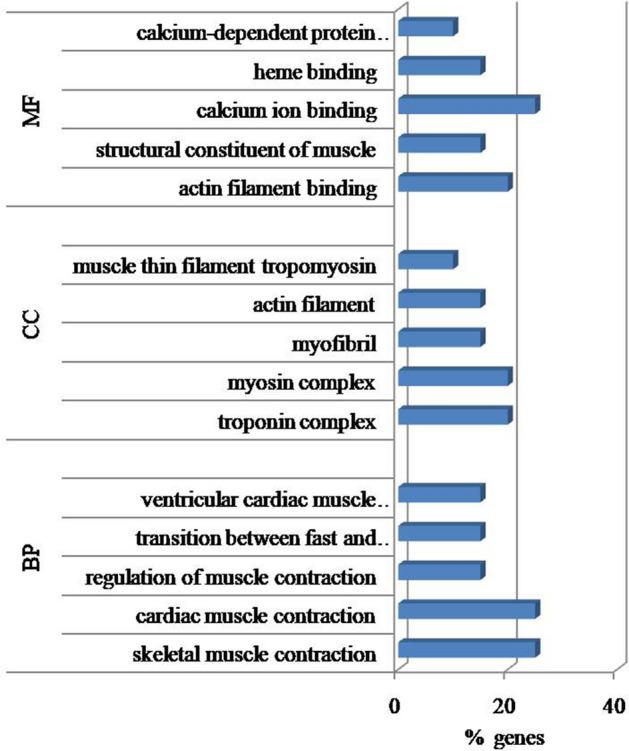
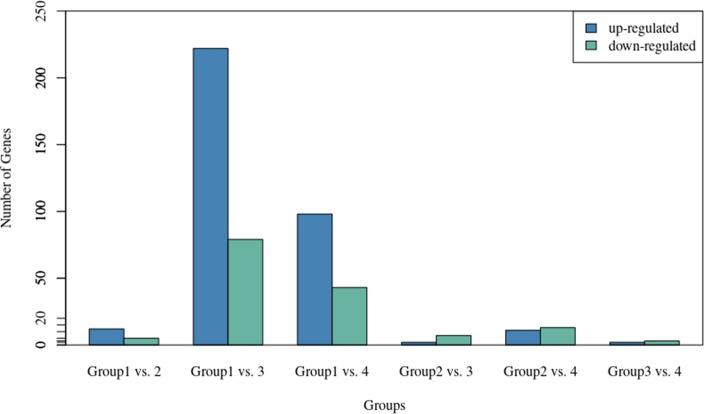
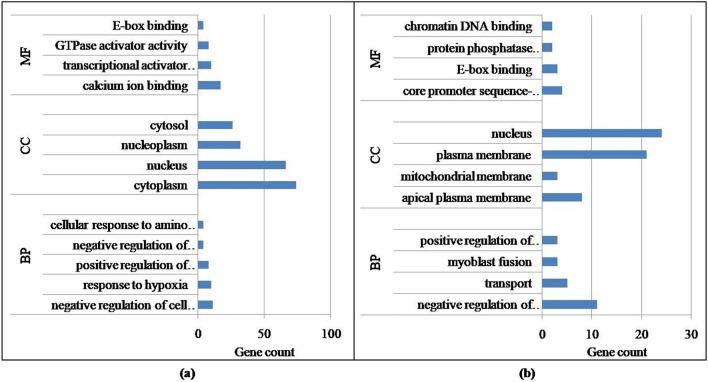
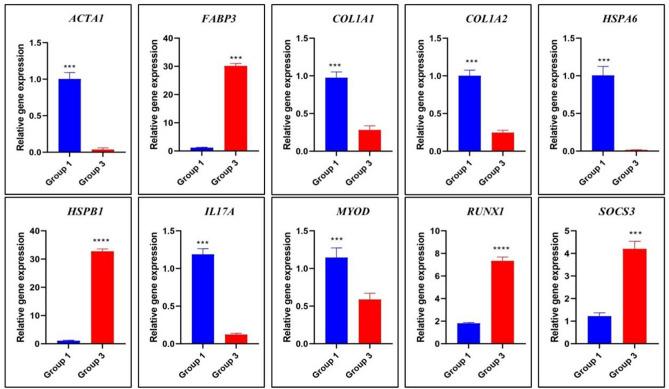
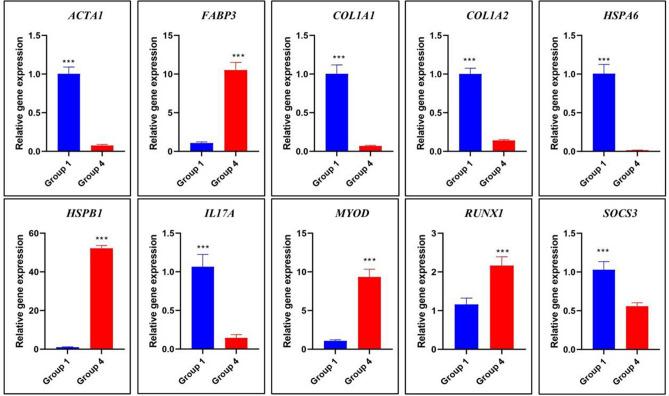
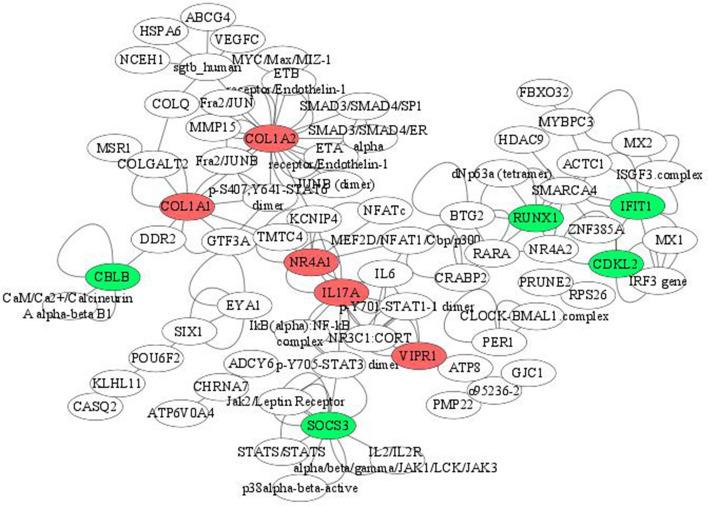
The dynamic synergy of genes and pathways in muscles in relation to age affects the muscle characteristics. Investigating the temporal changes in gene expression will help illustrate the molecular mechanisms underlying muscle development. Here we report the gene expression changes in skeletal muscles through successive age groups in Bandur, a meat type sheep of India. RNA sequencing data was generated from the longissimus thoracis muscles from four age groups, ranging from lamb to adult. Analysis of 20 highest expressed genes common across the groups revealed muscle protein, phosphorylation, acetylation, metal binding and transport as significant functions. Maximum differentiation was observed after 2.5-3 years on transition from lambs to adult. Transcriptional regulation by the TFAP2 transcription factors, IL-6 signaling and PI3K/AKT signaling pathways were enriched in younger animals. The gene-protein network demarcated key interactive genes involved in muscle development and proliferation that can be used as candidates for future research on improvement of muscle characteristics.
肌肉中基因和通路的动态协同作用与年龄有关,会影响肌肉特征。研究基因表达的时变情况将有助于阐明肌肉发育的分子机制。在这里,我们报告了印度班杜尔肉用绵羊不同年龄组的骨骼肌中的基因表达变化。从四个年龄组(从羔羊到成年)的背最长肌中生成了 RNA 测序数据。对 20 个在所有组中表达最高的共同基因的分析表明,肌肉蛋白、磷酸化、乙酰化、金属结合和转运是重要的功能。在从羔羊到成年的 2.5-3 年的过渡期间,观察到最大的分化。TFAP2 转录因子、IL-6 信号和 PI3K/AKT 信号通路的转录调控在年幼动物中更为丰富。基因-蛋白网络划定了关键的互作基因,这些基因参与肌肉发育和增殖,可以作为未来研究改善肌肉特征的候选基因。

 Zotero 插件