
IGF-1和IGF-1R作为潜在预后生物标志物和免疫治疗靶点的泛癌分析
Pan-Cancer Analysis of IGF-1 and IGF-1R as Potential Prognostic Biomarkers and Immunotherapy Targets.
作者信息
Zhang Yinqi, Gao Chengqi, Cao Fei, Wu Ying, Chen Shuanggang, Han Xue, Mo Jingqin, Qiu Zhiyu, Fan Weijun, Zhou Penghui, Shen Lujun
机构信息
Zhongshan School of Medicine, Sun Yat-Sen University, Guangzhou, China.
Department of Minimally Invasive Interventional Therapy, Sun Yat-Sen University Cancer Center, Guangzhou, China.
出版信息
Front Oncol. 2021 Nov 5;11:755341. doi: 10.3389/fonc.2021.755341. eCollection 2021.
AIM
Insulin-like growth factor-1 receptor (IGF-1R) is one of the main members of the tyrosine protein kinase receptor family. This receptor binds insulin-like growth factor-1 (IGF-1) with a high affinity. IGF-1 is a member of a family of proteins involved in mediating growth and development. However, the correlations of IGF-1 and IGF-1R to prognosis and tumor-infiltrating lymphocytes in different cancers remain unclear.
METHOD
This research comprehensively analyzed the expression pattern of IGF-1 and IGF-1R and the influence of IGF-1 and IGF-1R on clinical significance in prognosis prediction among 33 types of malignancies using The Cancer Genome Atlas (TCGA) and the Cancer Cell Line Encyclopedia (CCLE) databases. The correlation between IGF-1, IGF-1R, and cancer immunity was explored.
RESULTS
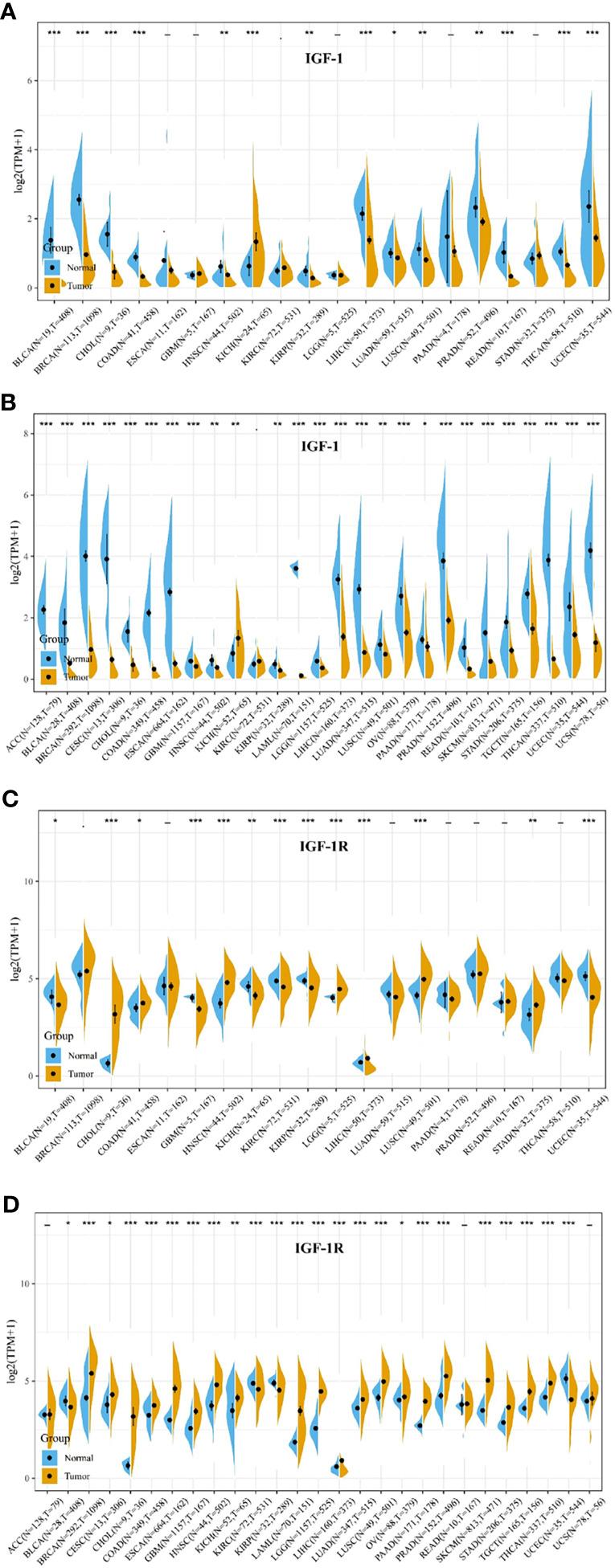
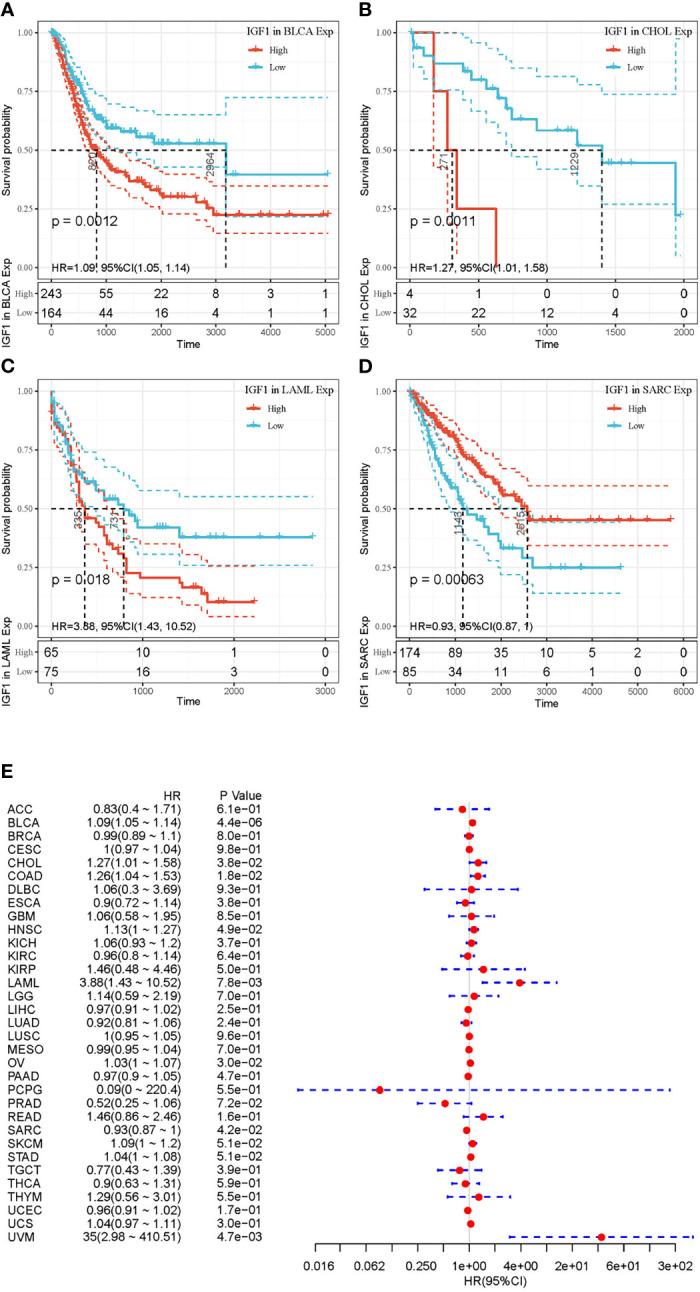
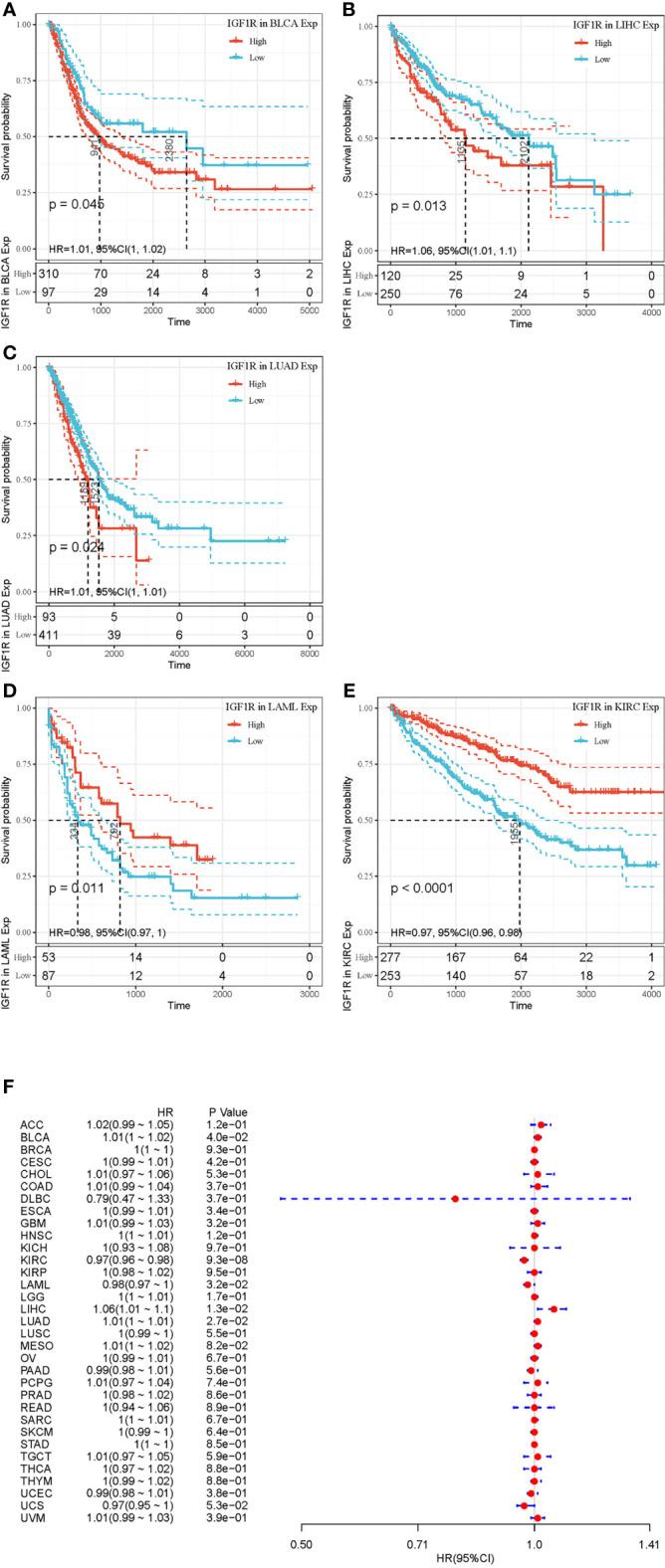
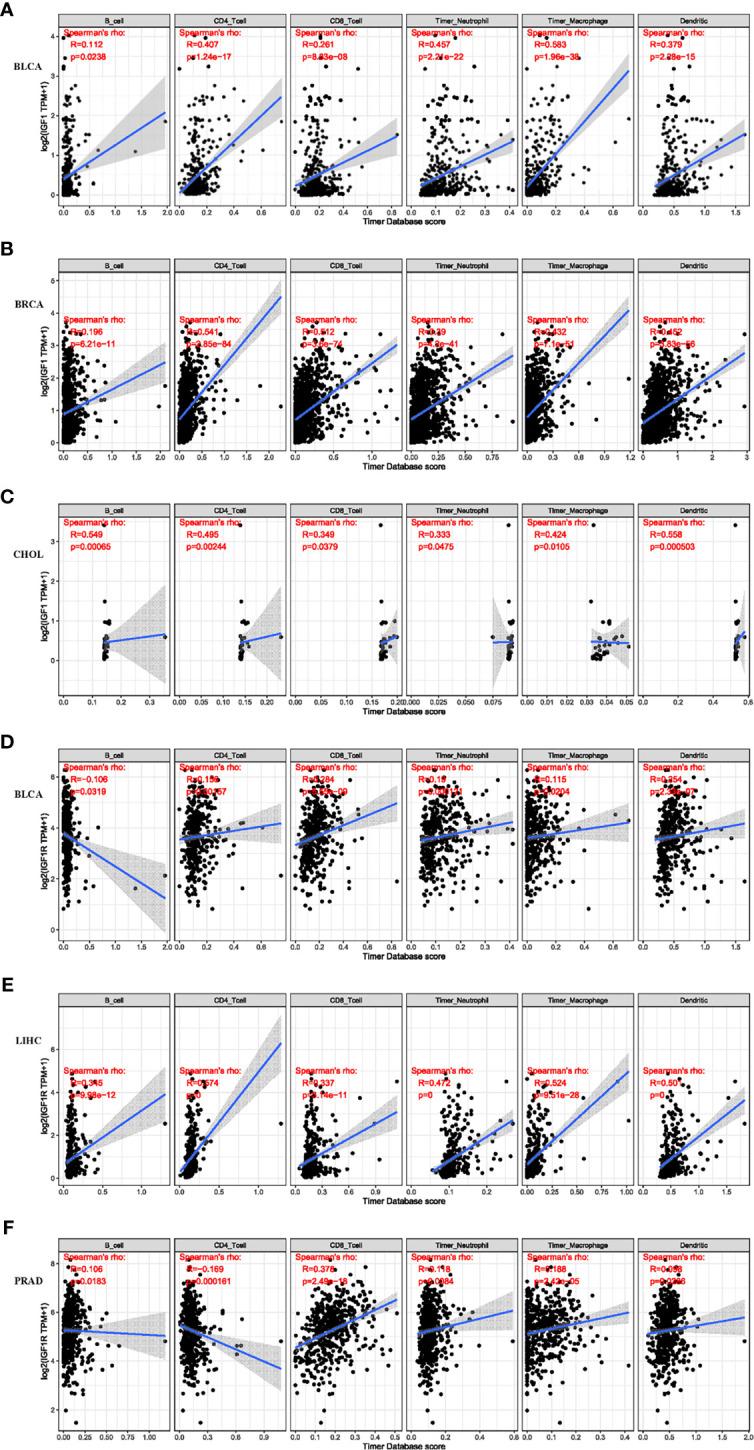
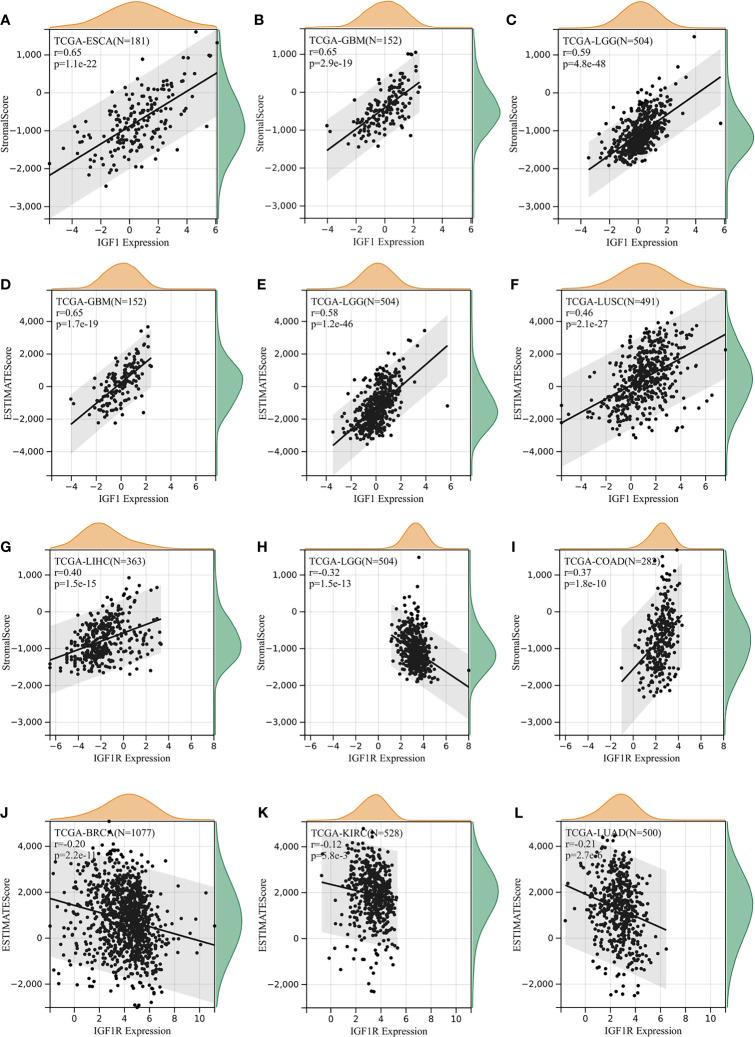
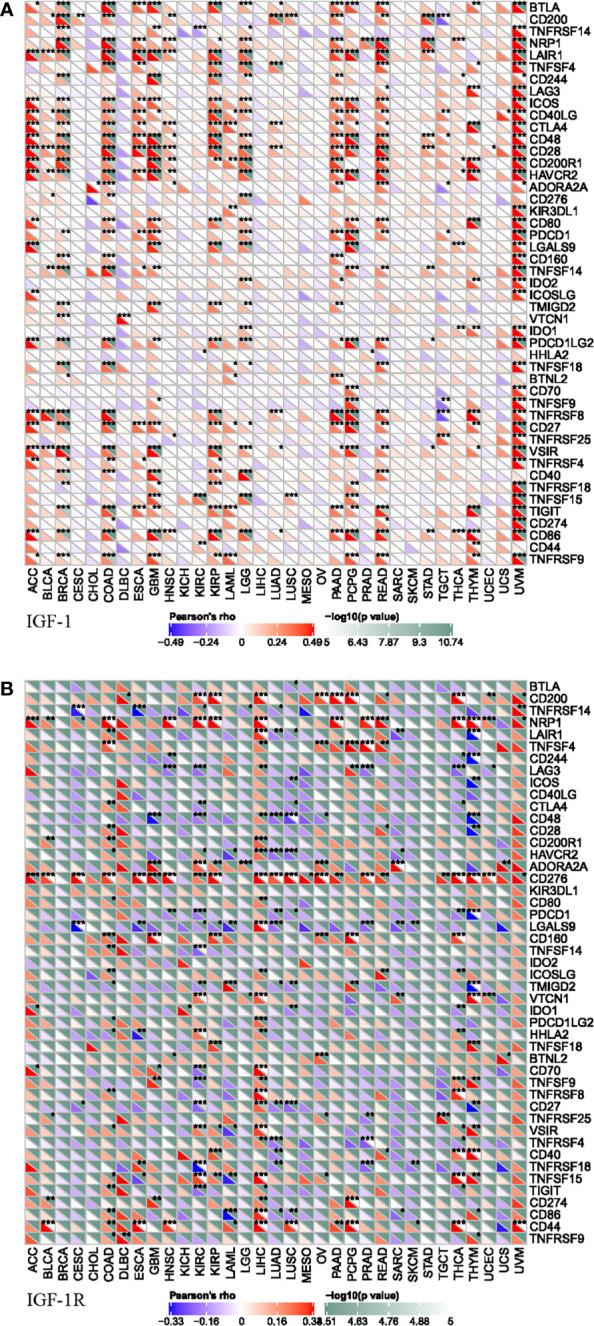
IGF-1 and IGF-1R displayed inconsistent gene expression levels among diverse cancer cell lines. Typically, high expression level of IGF-1 and IGF-1R was detected in most malignant tumors. High expression of IGF-1 was closely bound up with the unfavorable overall survival (OS) for patients in BLCA, CHOL, and LAML upon Cox and Kaplan-Meier analyses. While high expression of IGF-1R was closely bound up with the unfavorable overall survival (OS) for patients in BLCA, LIHC, and LUAD. Furthermore, high expression level of IGF-1 and IGF-1R were closely connected with high degrees of tumor infiltrates, including CD4+ T cell, dendritic cells, and macrophages. In addition, we found that IGF-1 was commonly positively correlated with the expression of gene markers including LAIR1, ICOS, CD40LG, CTLA4, CD48, CD28, CD200R1, HAVCR2, and CD86. Whereas, IGF-1R was commonly positively correlated with the expression of gene markers including NRP1 and CD276. More importantly, IGF-1 and IGF-1R expression were correlated with tumor mutation burden (TMB), microsatellite instability (MSI), mismatch repair (MMR), and DNA methyltransferase (DNMT) of different types of cancers.
CONCLUSIONS
The impact of high IGF-1 and IGF-1R on prognosis and immune infiltrates differs across cancer types. Anti-IGF-1R therapy may inhibit tumor growth and contribute to immunotherapy in LIHC and KIRC.
目的
胰岛素样生长因子1受体(IGF-1R)是酪氨酸蛋白激酶受体家族的主要成员之一。该受体与胰岛素样生长因子1(IGF-1)具有高亲和力结合。IGF-1是参与介导生长和发育的蛋白质家族成员之一。然而,IGF-1和IGF-1R与不同癌症的预后及肿瘤浸润淋巴细胞之间的相关性仍不清楚。
方法
本研究利用癌症基因组图谱(TCGA)和癌细胞系百科全书(CCLE)数据库,全面分析了33种恶性肿瘤中IGF-1和IGF-1R的表达模式以及IGF-1和IGF-1R对预后预测临床意义的影响。探讨了IGF-1、IGF-1R与癌症免疫之间的相关性。
结果
IGF-1和IGF-1R在不同癌细胞系中的基因表达水平不一致。通常,在大多数恶性肿瘤中检测到IGF-1和IGF-1R的高表达水平。经Cox和Kaplan-Meier分析,IGF-1高表达与BLCA、CHOL和LAML患者的不良总生存期(OS)密切相关。而IGF-1R高表达与BLCA、LIHC和LUAD患者的不良总生存期(OS)密切相关。此外,IGF-1和IGF-1R的高表达水平与包括CD4 + T细胞、树突状细胞和巨噬细胞在内的高度肿瘤浸润密切相关。此外,我们发现IGF-1通常与包括LAIR1、ICOS、CD40LG、CTLA4、CD48、CD28、CD200R1、HAVCR2和CD86在内的基因标志物表达呈正相关。而IGF-1R通常与包括NRP1和CD276在内的基因标志物表达呈正相关。更重要的是,IGF-1和IGF-1R表达与不同类型癌症的肿瘤突变负荷(TMB)、微卫星不稳定性(MSI)、错配修复(MMR)和DNA甲基转移酶(DNMT)相关。
结论
IGF-1和IGF-1R高表达对预后和免疫浸润的影响因癌症类型而异。抗IGF-1R治疗可能抑制LIHC和KIRC中的肿瘤生长并有助于免疫治疗。

 Zotero 插件