
尼泊尔的女性喜欢玩手机游戏吗?MANTRA:一款在尼泊尔农村地区改善医疗服务寻求行为的手机游戏应用。
Do Women in Nepal Like Playing a Mobile Game? MANTRA: A Mobile Gamified App for Improving Healthcare Seeking Behavior in Rural Nepal.
机构信息
UCL Centre for Digital Public Health in Emergencies (dPHE), Institute for Risk and Disaster Reduction, University College London, London, United Kingdom.
Institute for Global Health, University College London, London, United Kingdom.
出版信息
Front Public Health. 2021 Nov 5;9:645837. doi: 10.3389/fpubh.2021.645837. eCollection 2021.
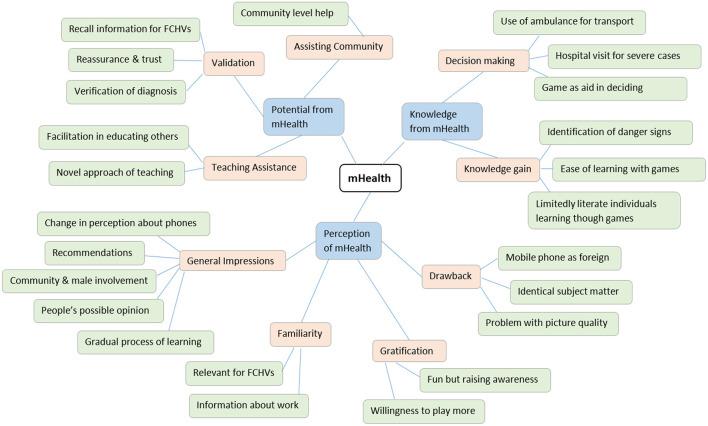
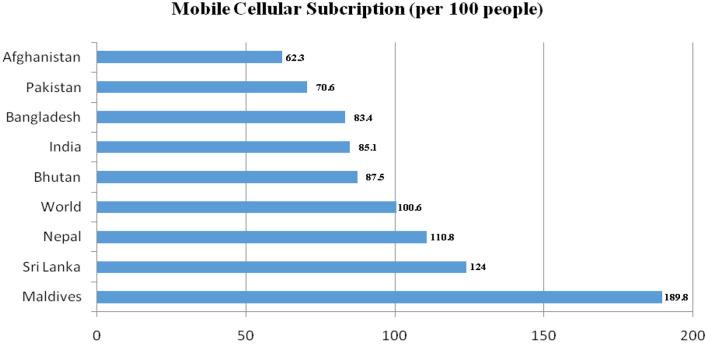
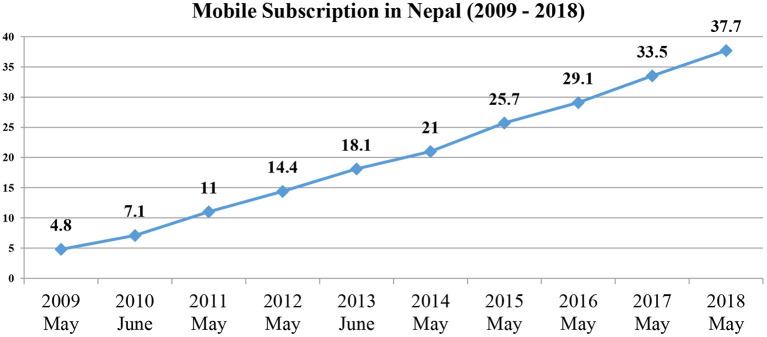
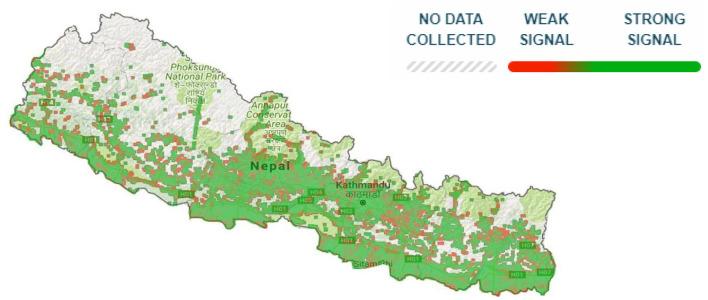
In Low and Middle Income Countries (LMIC), one of the causes of maternal and child mortality is a lack of medical knowledge and consequently the inability to seek timely healthcare. Mobile health (mHealth) technology is gradually becoming a universal intervention platform across the globe due to ubiquity of mobile phones and network coverage. MANTRA is a novel mHealth intervention developed to tackle maternal and child health issues through a serious mobile game app in rural Nepal, which demonstrated a statistically significant knowledge improvement in rural women. This paper explores the perceptions and usability of the MANTRA app amongst rural women and Female Community Health Volunteers (FCHVs) in Nepal. Despite the challenges of a target user group with limited educational levels and low smartphone experience, all participants viewed the MANTRA app with approval and enthusiasm. They were willing to engage further with the mHealth intervention and to share their experience and knowledge with fellow community members. Participants also showed an increase in awareness of danger signs enabling them to make better informed health decisions in the future. FCHVs viewed the app as a validation tool providing and support for greater impact of their efforts in rural Nepal. Growing mobile ownership, network coverage and availability of smartphones along with acceptance of the prototype MANTRA app in rural communities suggest encouraging prospects for mHealth interventions to be incorporated in the national health infrastructure in Nepal and other LMICs.
在中低收入国家(LMIC),孕产妇和儿童死亡的原因之一是医疗知识的缺乏,因此无法及时寻求医疗保健。由于手机的普及和网络覆盖,移动健康(mHealth)技术逐渐成为全球通用的干预平台。MANTRA 是一种新的 mHealth 干预措施,旨在通过在尼泊尔农村的一款严肃的手机游戏应用程序来解决母婴健康问题,该应用程序在农村妇女中显示出了统计学上显著的知识提高。本文探讨了尼泊尔农村妇女和女性社区卫生志愿者(FCHVs)对 MANTRA 应用程序的看法和可用性。尽管目标用户群体的教育水平有限,智能手机使用经验较低,但所有参与者都对 MANTRA 应用程序表示认可和热情。他们愿意进一步参与移动健康干预,并与社区成员分享他们的经验和知识。参与者还表现出对危险信号的认识有所提高,使他们能够在未来做出更明智的健康决策。FCHVs 将该应用程序视为验证工具,为他们在尼泊尔农村的工作提供更大的影响力提供了支持。移动设备拥有量、网络覆盖范围和智能手机的可用性不断增加,以及农村社区对原型 MANTRA 应用程序的接受度,表明在尼泊尔和其他中低收入国家将移动健康干预措施纳入国家卫生基础设施具有令人鼓舞的前景。
 Zotero 插件