
肺表面活性剂作为一种多功能生物材料对抗 COVID-19。
Pulmonary surfactant as a versatile biomaterial to fight COVID-19.
机构信息
Ghent Research Group on Nanomedicines, Laboratory of General Biochemistry and Physical Pharmacy, Faculty of Pharmaceutical Sciences, Ghent University, Ottergemsesteenweg 460, 9000 Ghent, Belgium.
出版信息
J Control Release. 2022 Feb;342:170-188. doi: 10.1016/j.jconrel.2021.11.023. Epub 2021 Nov 20.
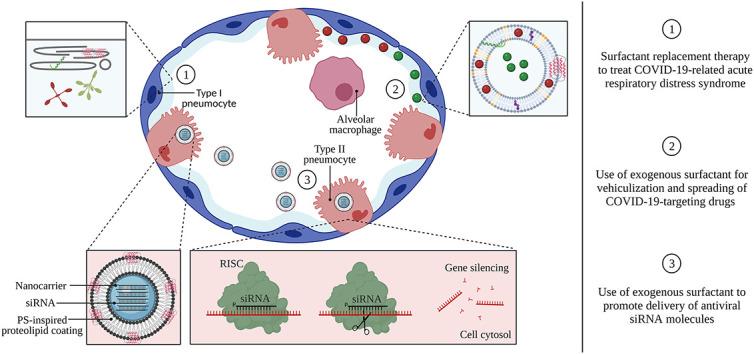
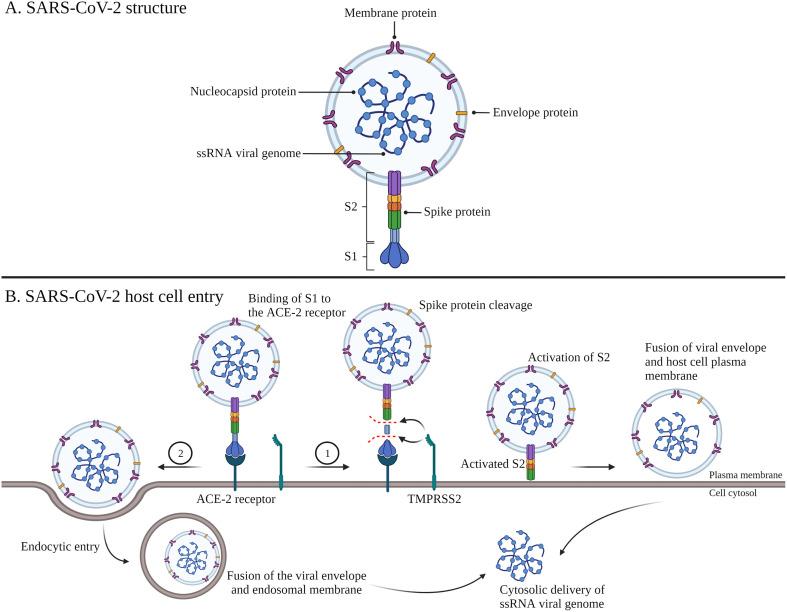
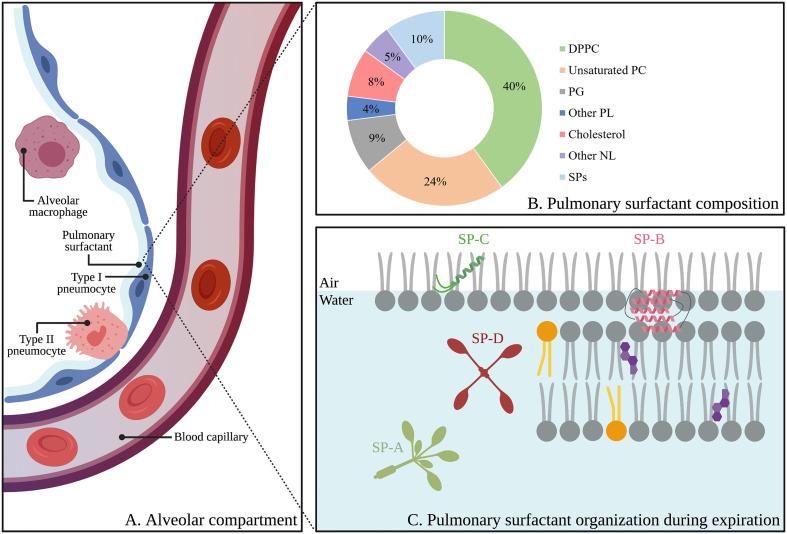
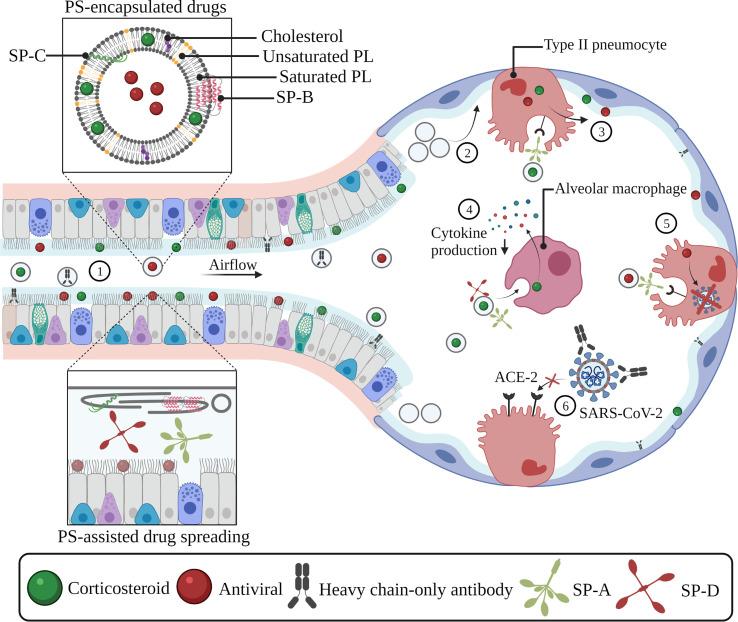
The COVID-19 pandemic has wielded an enormous pressure on global health care systems, economics and politics. Ongoing vaccination campaigns effectively attenuate viral spreading, leading to a reduction of infected individuals, hospitalizations and mortality. Nevertheless, the development of safe and effective vaccines as well as their global deployment is time-consuming and challenging. In addition, such preventive measures have no effect on already infected individuals and can show reduced efficacy against SARS-CoV-2 variants that escape vaccine-induced host immune responses. Therefore, it is crucial to continue the development of specific COVID-19 targeting therapeutics, including small molecular drugs, antibodies and nucleic acids. However, despite clear advantages of local drug delivery to the lung, inhalation therapy of such antivirals remains difficult. This review aims to highlight the potential of pulmonary surfactant (PS) in the treatment of COVID-19. Since SARS-CoV-2 infection can progress to COVID-19-related acute respiratory distress syndrome (CARDS), which is associated with PS deficiency and inflammation, replacement therapy with exogenous surfactant can be considered to counter lung dysfunction. In addition, due to its surface-active properties and membrane-interacting potential, PS can be repurposed to enhance drug spreading along the respiratory epithelium and to promote intracellular drug delivery. By merging these beneficial features, PS can be regarded as a versatile biomaterial to combat respiratory infections, in particular COVID-19.
COVID-19 大流行给全球卫生保健系统、经济和政治带来了巨大压力。持续的疫苗接种活动有效地抑制了病毒传播,导致感染人数、住院人数和死亡率降低。然而,安全有效的疫苗的开发及其在全球范围内的部署既耗时又具有挑战性。此外,这些预防措施对已感染的个体没有影响,并且对逃避疫苗诱导的宿主免疫反应的 SARS-CoV-2 变体的疗效可能会降低。因此,继续开发针对 COVID-19 的特定治疗药物,包括小分子药物、抗体和核酸,至关重要。然而,尽管将药物局部递送到肺部具有明显的优势,但此类抗病毒药物的吸入疗法仍然很困难。这篇综述旨在强调肺表面活性剂(PS)在治疗 COVID-19 中的潜力。由于 SARS-CoV-2 感染可能进展为与 PS 缺乏和炎症相关的 COVID-19 相关急性呼吸窘迫综合征(CARDS),因此可以考虑用外源性 PS 替代疗法来对抗肺功能障碍。此外,由于其表面活性特性和膜相互作用潜力,PS 可以被重新用于增强药物在呼吸道上皮中的扩散,并促进细胞内药物递送。通过合并这些有益的特性,PS 可以被视为一种多功能生物材料,用于对抗呼吸道感染,特别是 COVID-19。



 Zotero 插件