
印迹长链非编码 RNA Dio3os 预先编程了跨代棕色脂肪发育和肥胖抵抗。
Imprinted lncRNA Dio3os preprograms intergenerational brown fat development and obesity resistance.
机构信息
Nutrigenomics and Growth Biology Laboratory, Department of Animal Sciences, Washington State University, Pullman, WA, 99164, USA.
School of Food Sciences, Washington State University, Pullman, WA, 99164, USA.
出版信息
Nat Commun. 2021 Nov 25;12(1):6845. doi: 10.1038/s41467-021-27171-1.
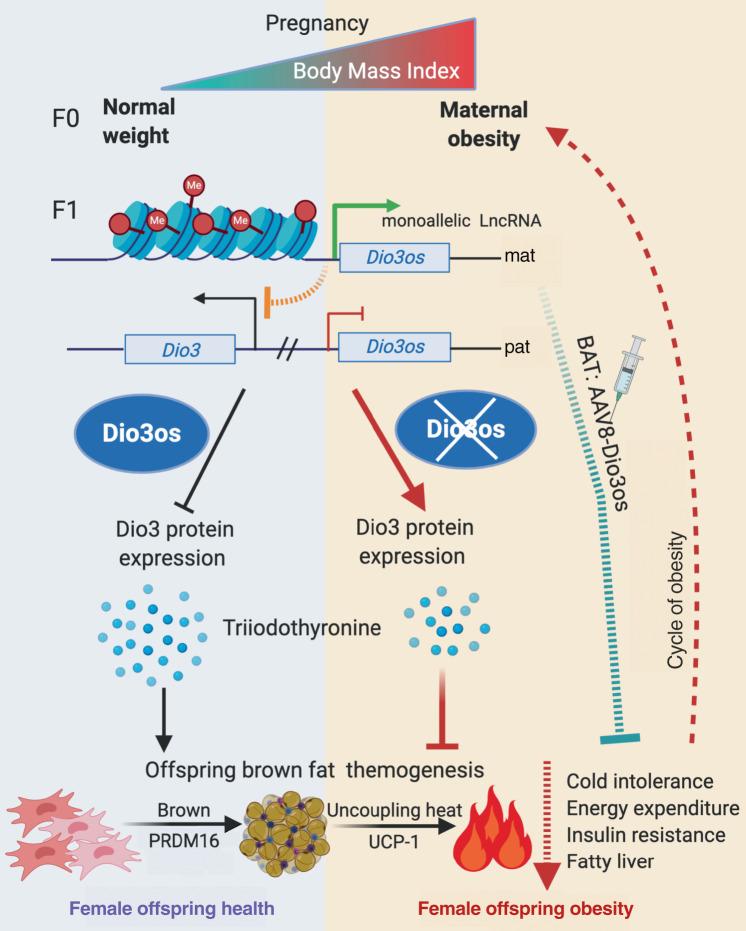
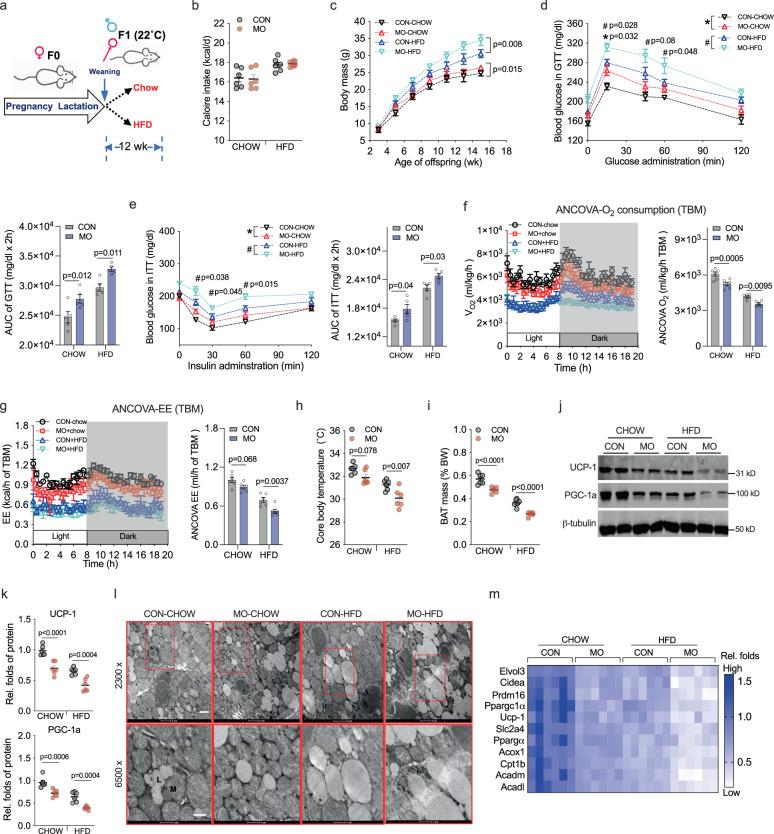
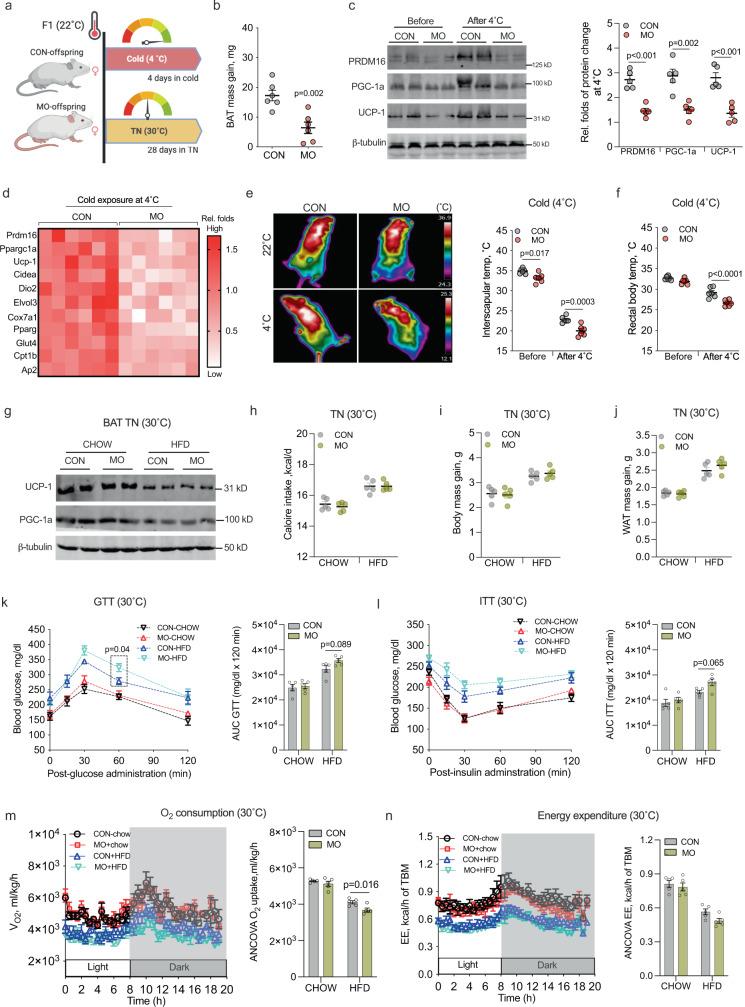
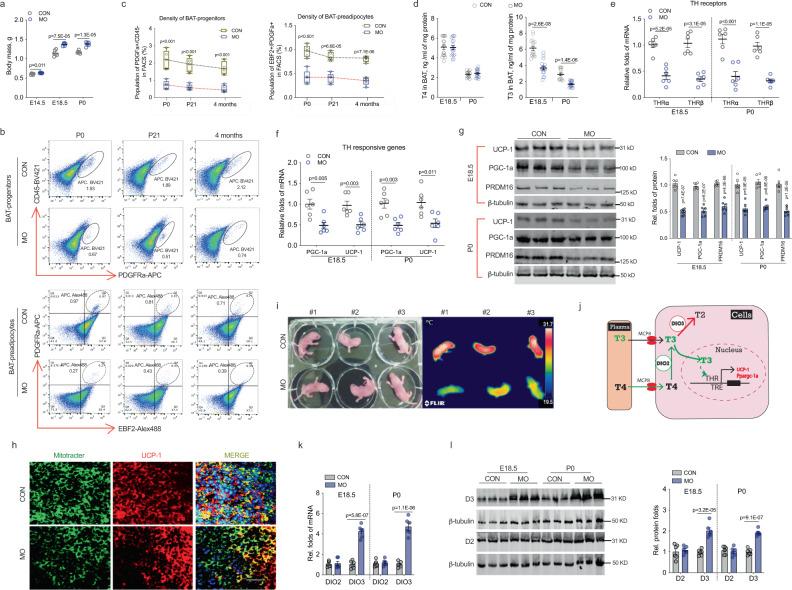
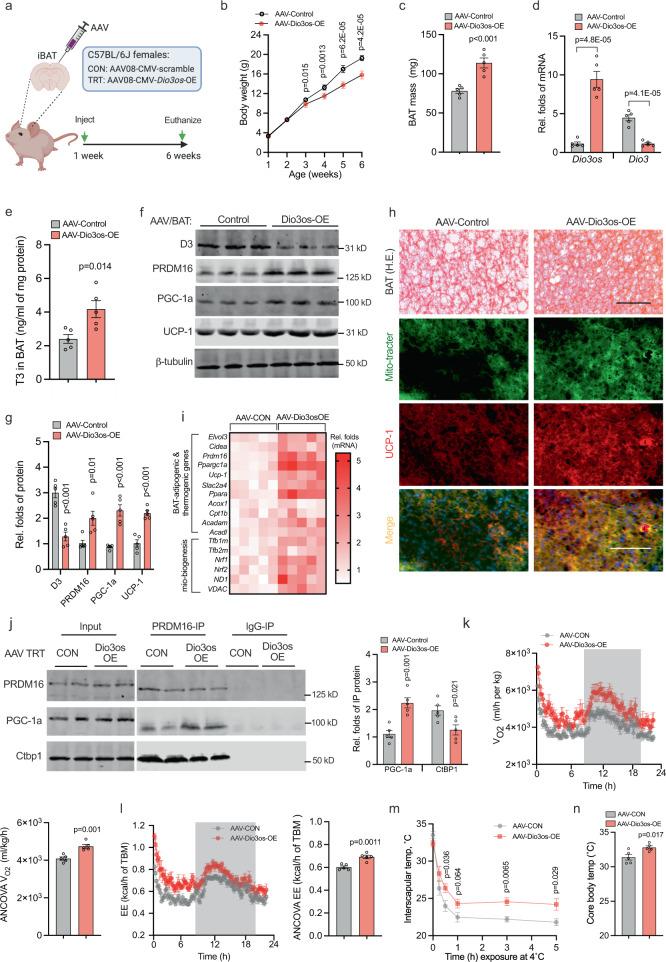
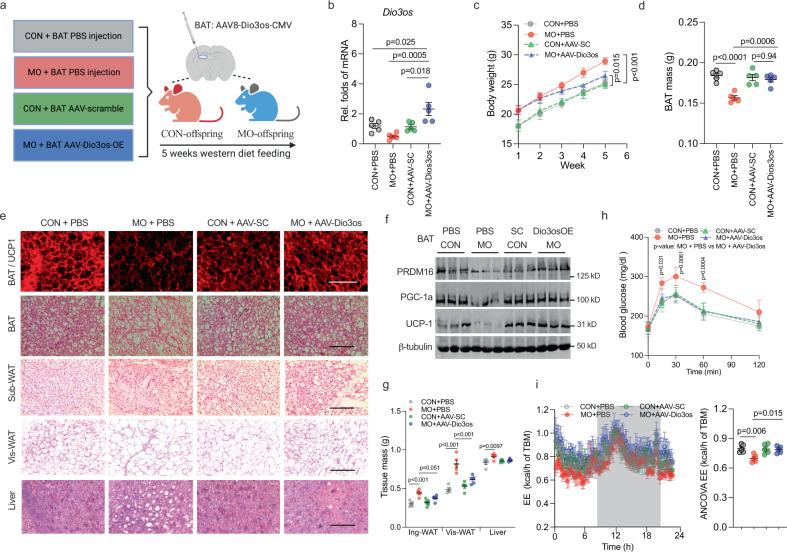
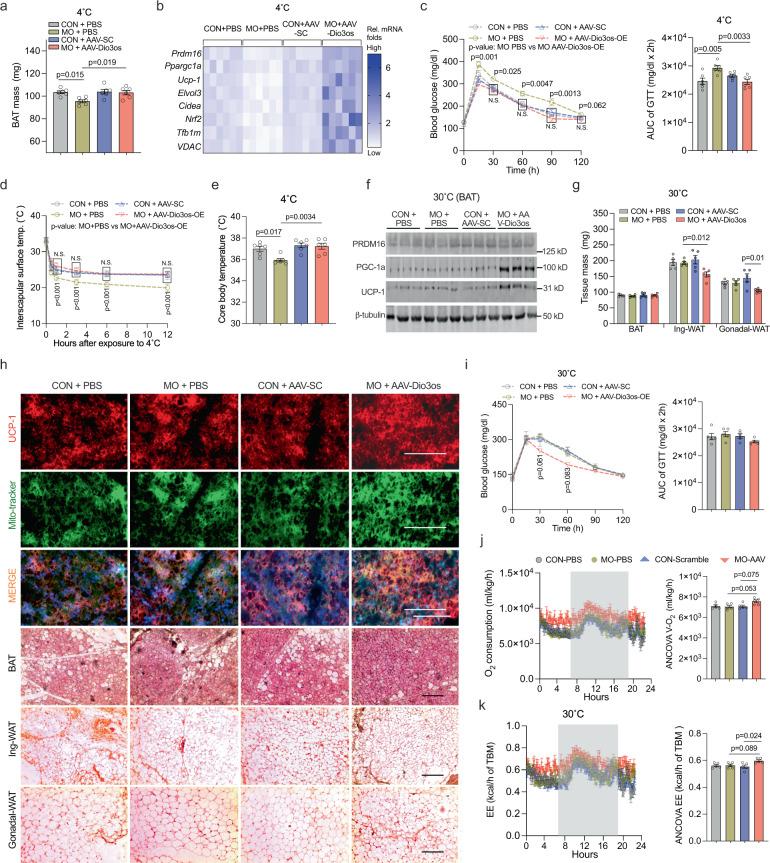
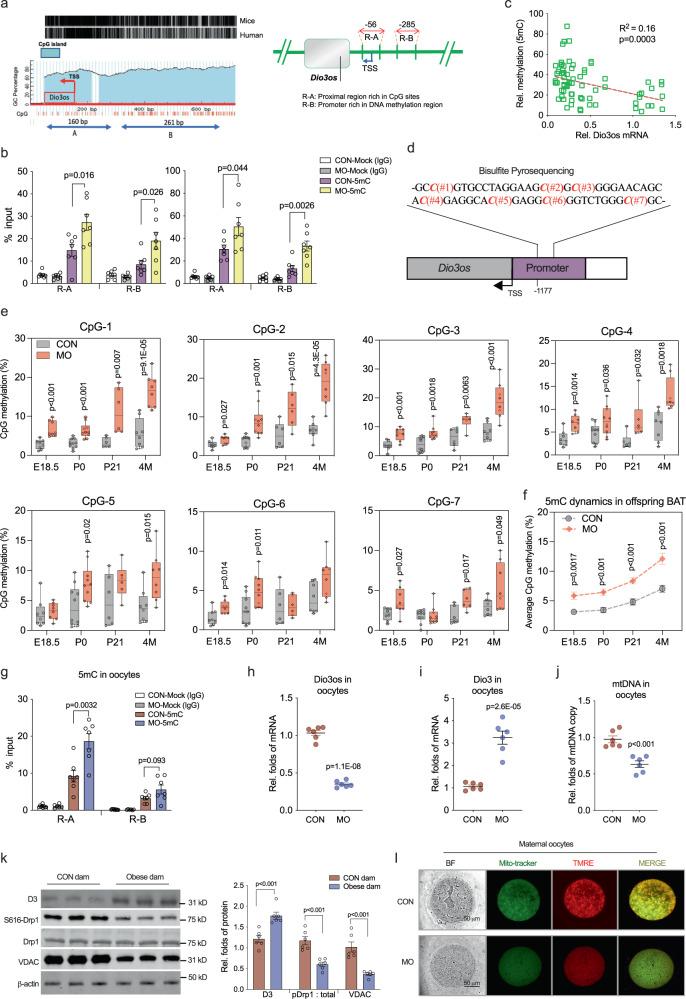
Maternal obesity (MO) predisposes offspring to obesity and metabolic disorders but little is known about the contribution of offspring brown adipose tissue (BAT). We find that MO impairs fetal BAT development, which persistently suppresses BAT thermogenesis and primes female offspring to metabolic dysfunction. In fetal BAT, MO enhances expression of Dio3, which encodes deiodinase 3 (D3) to catabolize triiodothyronine (T3), while a maternally imprinted long noncoding RNA, Dio3 antisense RNA (Dio3os), is inhibited, leading to intracellular T3 deficiency and suppression of BAT development. Gain and loss of function shows Dio3os reduces D3 content and enhances BAT thermogenesis, rendering female offspring resistant to high fat diet-induced obesity. Attributing to Dio3os inactivation, its promoter has higher DNA methylation in obese dam oocytes which persists in fetal and adult BAT, uncovering an oocyte origin of intergenerational obesity. Overall, our data uncover key features of Dio3os activation in BAT to prevent intergenerational obesity and metabolic dysfunctions.
母亲肥胖(MO)使后代易患肥胖和代谢紊乱,但对于后代棕色脂肪组织(BAT)的贡献知之甚少。我们发现 MO 会损害胎儿 BAT 的发育,这会持续抑制 BAT 的产热作用,并使雌性后代容易出现代谢功能障碍。在胎儿 BAT 中,MO 会增强编码脱碘酶 3(D3)的 Dio3 的表达,以分解三碘甲状腺原氨酸(T3),而母系印记的长非编码 RNA Dio3 反义 RNA(Dio3os)则受到抑制,导致细胞内 T3 缺乏和 BAT 发育受阻。功能获得和缺失实验表明,Dio3os 会降低 D3 的含量并增强 BAT 的产热作用,从而使雌性后代对高脂肪饮食诱导的肥胖具有抵抗力。由于 Dio3os 的失活,肥胖母鼠的卵母细胞中其启动子的 DNA 甲基化水平更高,这种情况在胎儿和成年 BAT 中持续存在,揭示了肥胖的代际传递源于卵母细胞。总的来说,我们的数据揭示了 Dio3os 在 BAT 中激活的关键特征,以预防代际肥胖和代谢功能障碍。

 Zotero 插件