
使用非靶向和靶向方法鉴定急性髓系白血病(AML)的蛋白质生物标志物特征
Identification of Protein Biomarker Signatures for Acute Myeloid Leukemia (AML) Using Both Nontargeted and Targeted Approaches.
作者信息
Dowling Paul, Tierney Ciara, Dunphy Katie, Miettinen Juho J, Heckman Caroline A, Bazou Despina, O'Gorman Peter
机构信息
Department of Biology, Maynooth University, W23 F2H6 Maynooth, Ireland.
Institute for Molecular Medicine Finland-FIMM, HiLIFE-Helsinki Institute of Life Science, iCAN Digital Cancer Medicine Flagship, University of Helsinki, FI-00014 Helsinki, Finland.
出版信息
Proteomes. 2021 Oct 30;9(4):42. doi: 10.3390/proteomes9040042.
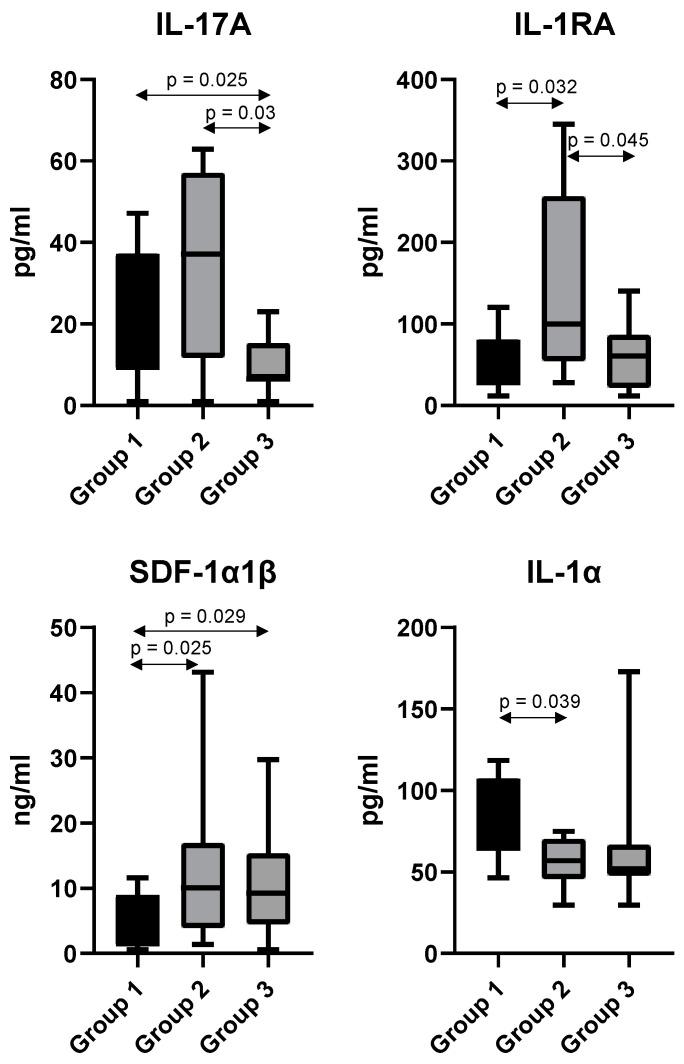
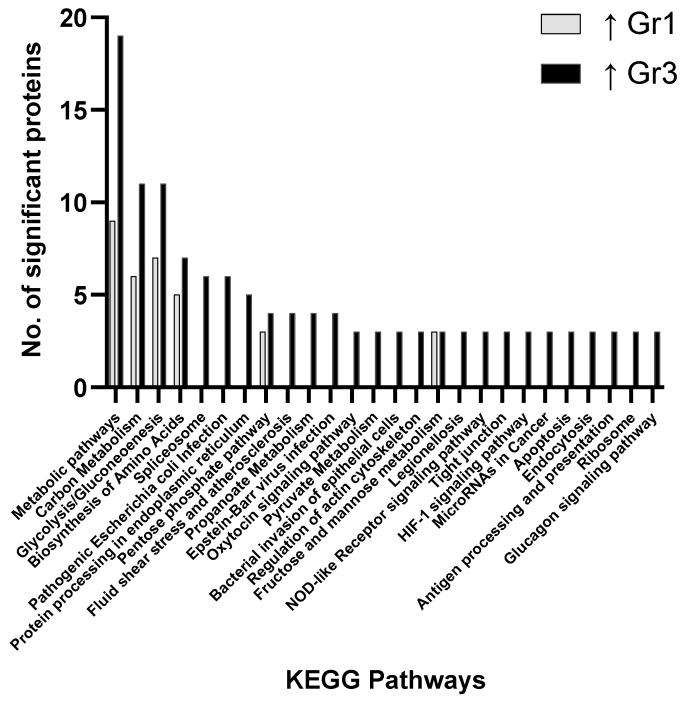
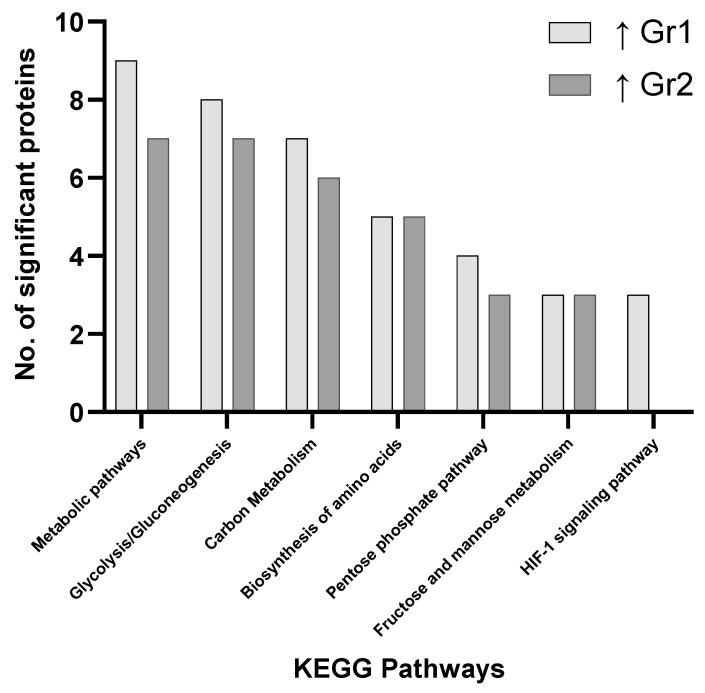
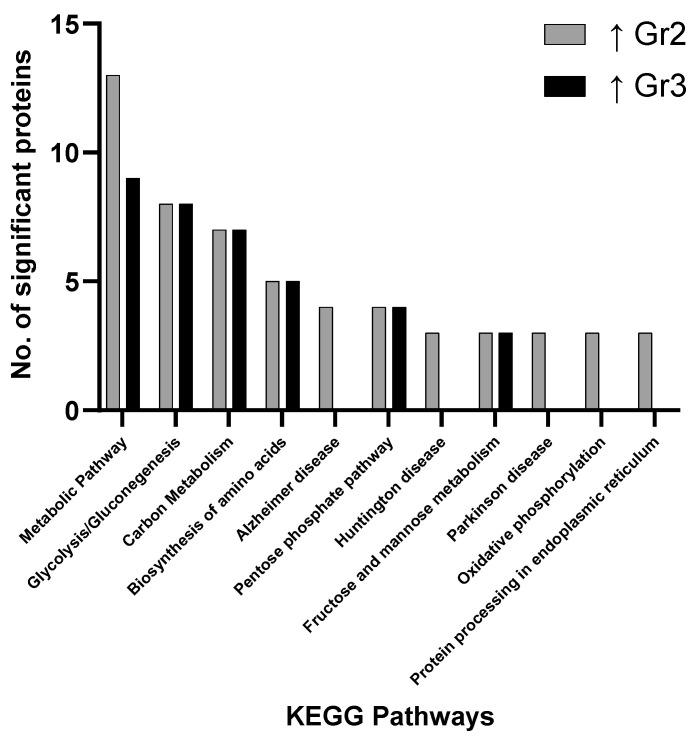
Acute myeloid leukemia (AML) is characterized by an increasing number of clonal myeloid blast cells which are incapable of differentiating into mature leukocytes. AML risk stratification is based on genetic background, which also serves as a means to identify the optimal treatment of individual patients. However, constant refinements are needed, and the inclusion of significant measurements, based on the various omics approaches that are currently available to researchers/clinicians, have the potential to increase overall accuracy with respect to patient management. Using both nontargeted (label-free mass spectrometry) and targeted (multiplex immunoassays) proteomics, a range of proteins were found to be significantly changed in AML patients with different genetic backgrounds. The inclusion of validated proteomic biomarker panels could be an important factor in the prognostic classification of AML patients. The ability to measure both cellular and secreted analytes, at diagnosis and during the course of treatment, has advantages in identifying transforming biological mechanisms in patients, assisting important clinical management decisions.
急性髓系白血病(AML)的特征是克隆性髓系母细胞数量不断增加,这些母细胞无法分化为成熟白细胞。AML风险分层基于遗传背景,这也作为一种手段来确定个体患者的最佳治疗方案。然而,仍需要不断完善,并且纳入基于研究人员/临床医生目前可用的各种组学方法的重要测量指标,有可能提高患者管理的总体准确性。使用非靶向(无标记质谱)和靶向(多重免疫分析)蛋白质组学方法,发现一系列蛋白质在具有不同遗传背景的AML患者中发生了显著变化。纳入经过验证的蛋白质组学生物标志物面板可能是AML患者预后分类的一个重要因素。在诊断和治疗过程中测量细胞和分泌分析物的能力,在识别患者转化生物学机制、协助做出重要临床管理决策方面具有优势。
 Zotero 插件