
抑制 Jumonji 去甲基化酶可重新编程严重扩张型心肌病并延长生存期。
Inhibition of Jumonji demethylases reprograms severe dilated cardiomyopathy and prolongs survival.
机构信息
Hamon Center for Therapeutic Oncology Research, UT Southwestern Medical Center, Dallas, Texas, USA; Department of Pharmacology, UT Southwestern Medical Center, Dallas, Texas, USA.
Department of Cardiology, UT Southwestern Medical Center, Dallas, Texas, USA.
出版信息
J Biol Chem. 2022 Feb;298(2):101515. doi: 10.1016/j.jbc.2021.101515. Epub 2021 Dec 18.
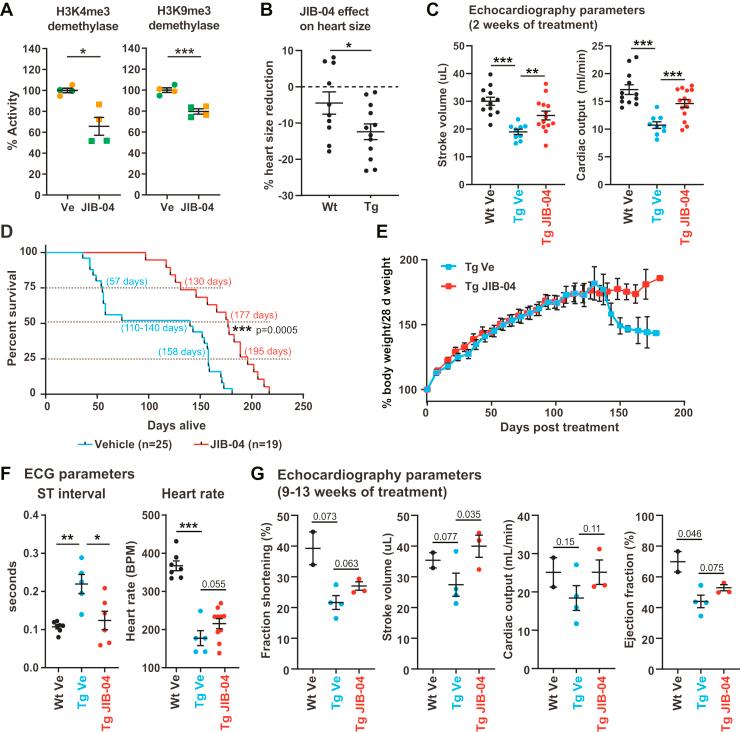
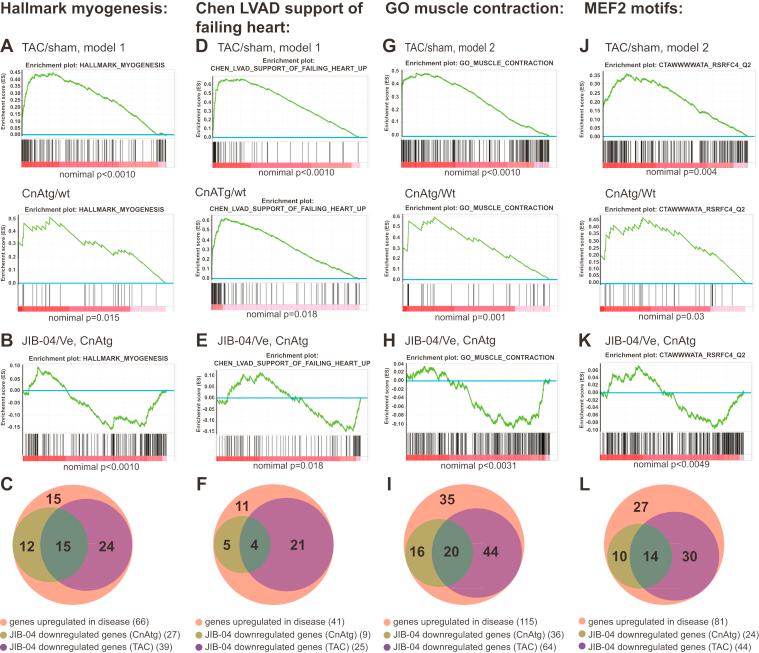
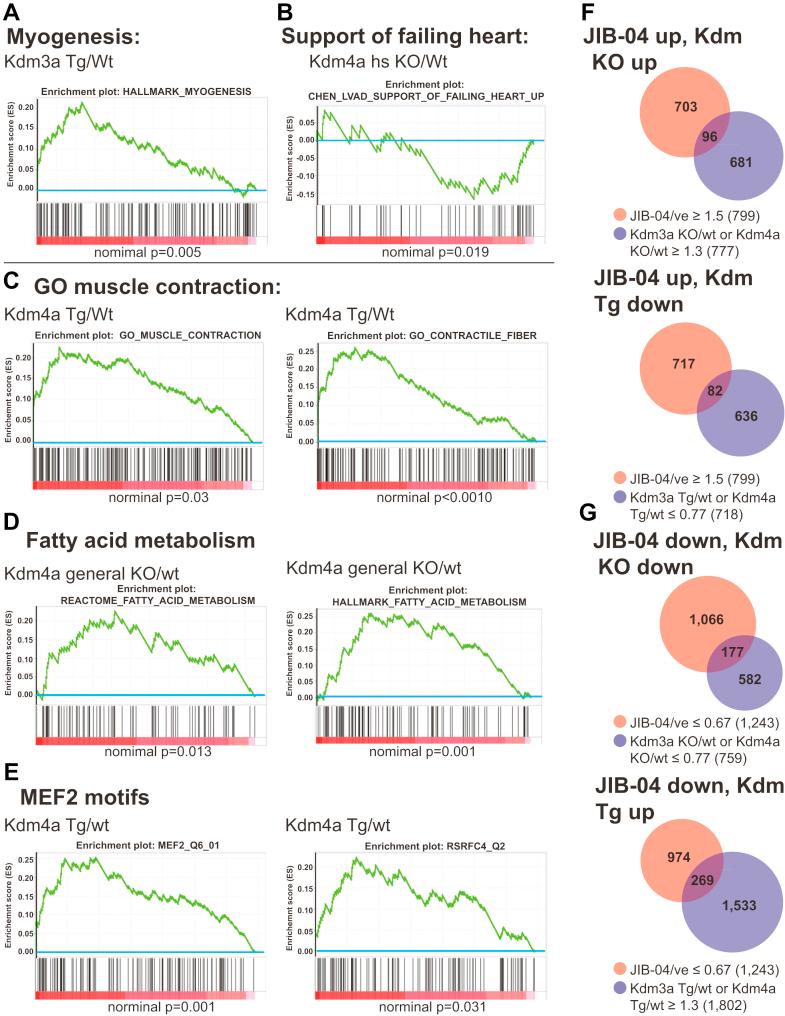
Hypertrophic/dilated cardiomyopathy, often a prequel to heart failure, is accompanied by maladaptive transcriptional changes that contribute to arrythmias and contractile misfunction. Transgenic mice constitutively expressing high levels of calcineurin are known to develop extreme heart hypertrophy, which progresses to dilated cardiomyopathy, and to die several weeks after birth. Here, we characterized aberrant transcriptional and epigenetic pathways in this mouse model and established a pharmacological approach to treat established cardiomyopathy. We found that H3K4me3 (trimethyl histone 3 lysine 4) and H3K9me3 (trimethyl histone 3 lysine 9) Jumonji histone demethylases are markedly increased at the protein level and show enhanced enzymatic activity in diseased hearts. These epigenetic regulators continued to increase with time, further affecting cardiac gene expression. Our findings parallel the lower H3K4me3 and H3K9me3 levels seen in human patients. Inhibition of Jumonji demethylase activities in vivo results in lower histone demethylase enzymatic function in the heart and higher histone methylation levels and leads to partial reduction of heart size, reversal of maladaptive transcriptional programs, improved heart function, and prolonged survival. At the molecular level, target genes of transcription factor myocyte enhancer factor 2 are specifically regulated in response to pharmacological or genetic inhibition of Jumonji demethylases. Similar transcriptional reversal of disease-associated genes is seen in a second disease model based on cardiac mechanical overload. Our findings validate pharmacological inhibitors of Jumonji demethylases as potential therapeutics for the treatment of cardiomyopathies across disease models and provide evidence of the reversal of maladaptive transcriptional reprogramming leading to partial restoration of cardiac function. In addition, this study defines pathways of therapeutic resistance upregulated with disease progression.
肥厚性/扩张型心肌病常是心力衰竭的前奏,伴有适应性转录变化,导致心律失常和收缩功能障碍。已知持续表达高钙调神经磷酸酶水平的转基因小鼠会发展出极端的心脏肥大,进而发展为扩张型心肌病,并在出生后数周死亡。在这里,我们描述了这种小鼠模型中的异常转录和表观遗传途径,并建立了一种治疗已建立的心肌病的药理学方法。我们发现,H3K4me3(三甲基组蛋白 3 赖氨酸 4)和 H3K9me3(三甲基组蛋白 3 赖氨酸 9)组蛋白去甲基酶在蛋白质水平上显著增加,并在患病心脏中表现出增强的酶活性。这些表观遗传调节剂随着时间的推移继续增加,进一步影响心脏基因表达。我们的发现与人类患者中较低的 H3K4me3 和 H3K9me3 水平平行。在体内抑制 Jumonji 去甲基酶活性导致心脏中去甲基酶酶活性降低,组蛋白甲基化水平升高,并导致心脏体积减小、适应性转录程序逆转、心脏功能改善和存活时间延长。在分子水平上,转录因子肌细胞增强因子 2 的靶基因在 Jumonji 去甲基酶的药理学或遗传抑制的情况下受到特异性调节。在基于心脏机械过载的第二种疾病模型中,也观察到与疾病相关基因的相似转录逆转。我们的发现验证了 Jumonji 去甲基酶的药理学抑制剂作为治疗各种疾病模型中心肌病的潜在治疗方法,并提供了适应性转录重编程逆转导致心脏功能部分恢复的证据。此外,这项研究还定义了随着疾病进展而上调的治疗抵抗途径。


 Zotero 插件