
靶向“不可成药” MYC 的治疗策略。
Therapeutic targeting of "undruggable" MYC.
机构信息
UCL Cancer Institute, University College London, Department of Haematology, London WC1E 6DD, UK.
UCL Cancer Institute, University College London, Department of Haematology, London WC1E 6DD, UK; UCL Great Ormond Street Institute of Child Health, Developmental Biology and Cancer, London, UK.
出版信息
EBioMedicine. 2022 Jan;75:103756. doi: 10.1016/j.ebiom.2021.103756. Epub 2021 Dec 20.
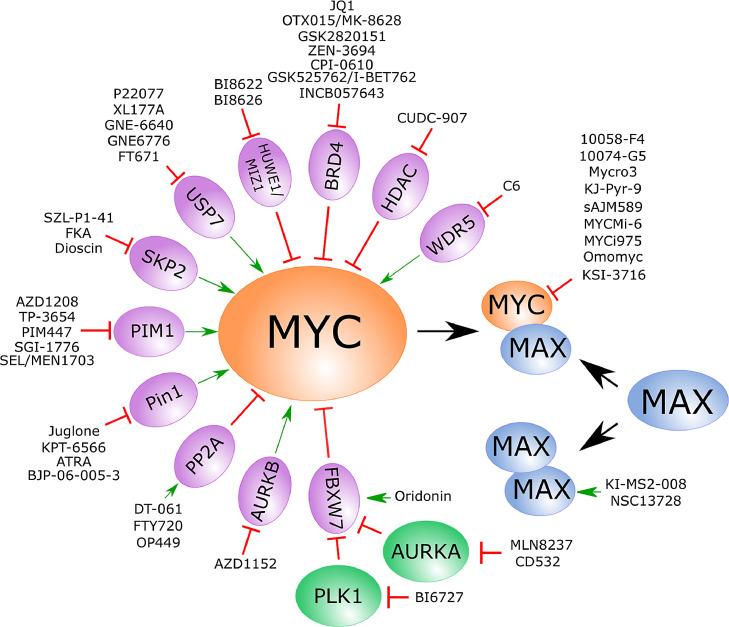
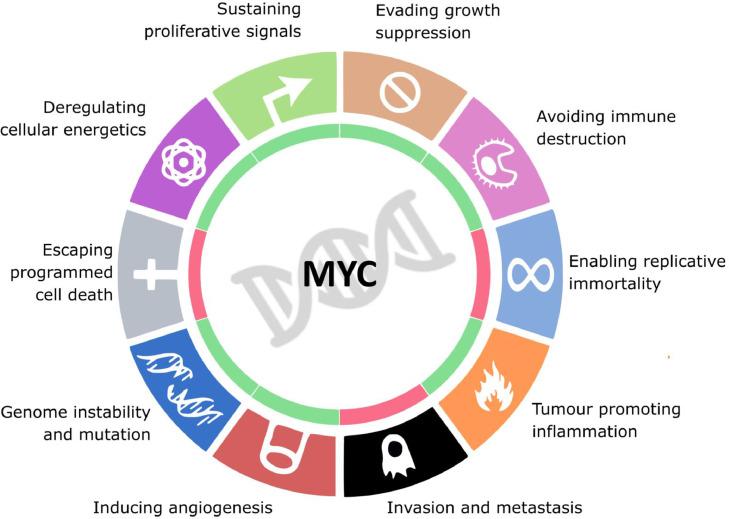
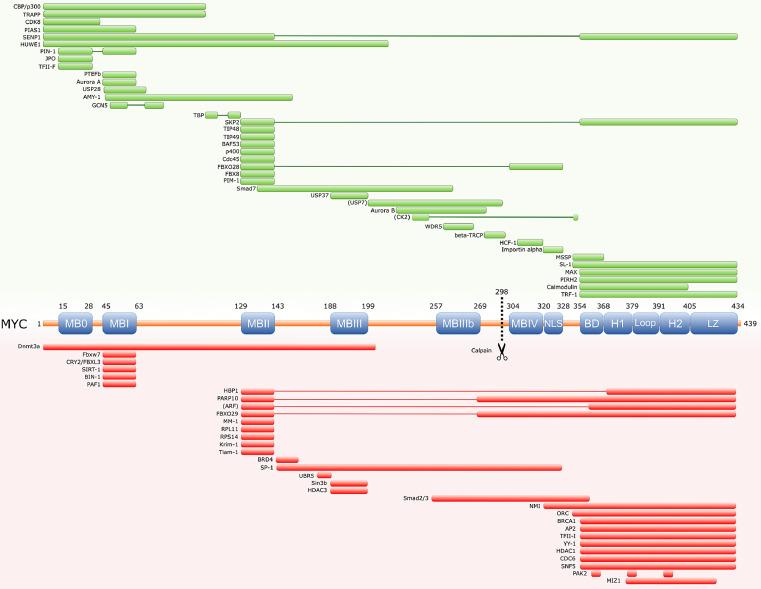
c-MYC controls global gene expression and regulates cell proliferation, cell differentiation, cell cycle, metabolism and apoptosis. According to some estimates, MYC is dysregulated in ≈70% of human cancers and strong evidence implicates aberrantly expressed MYC in both tumor initiation and maintenance. In vivo studies show that MYC inhibition elicits a prominent anti-proliferative effect and sustained tumor regression while any alteration on healthy tissue remains reversible. This opens an exploitable window for treatment that makes MYC one of the most appealing therapeutic targets for cancer drug development. This review describes the main functional and structural features of the protein structure of MYC and provides a general overview of the most relevant or recently identified interactors that modulate MYC oncogenic activity. This review also summarizes the different approaches aiming to abrogate MYC oncogenic function, with a particular focus on the prototype inhibitors designed for the direct and indirect targeting of MYC.
c-MYC 控制着全局基因表达,并调节细胞增殖、细胞分化、细胞周期、代谢和凋亡。据估计,约 70%的人类癌症存在 MYC 失调,大量证据表明异常表达的 MYC 既参与肿瘤的起始,也参与肿瘤的维持。体内研究表明,抑制 MYC 会产生明显的抗增殖作用,并持续促使肿瘤消退,而对健康组织的任何改变都是可逆的。这为治疗提供了一个可利用的窗口,使 MYC 成为癌症药物开发中最有吸引力的治疗靶点之一。本文描述了 MYC 蛋白结构的主要功能和结构特征,并概述了调节 MYC 致癌活性的最相关或最近鉴定的相互作用因子。本文还总结了旨在消除 MYC 致癌功能的不同方法,特别关注针对 MYC 的直接和间接靶向设计的原型抑制剂。

 Zotero 插件