
靶向前列腺癌骨转移疾病中的 BMP 通路。
Targeting the BMP Pathway in Prostate Cancer Induced Bone Disease.
机构信息
Department of Pathology, University of Colorado Anschutz Medical Campus, Aurora, CO, United States.
Cancer Biology Graduate Program, University of Colorado Anschutz Medical Campus, Aurora, CO, United States.
出版信息
Front Endocrinol (Lausanne). 2021 Dec 10;12:769316. doi: 10.3389/fendo.2021.769316. eCollection 2021.
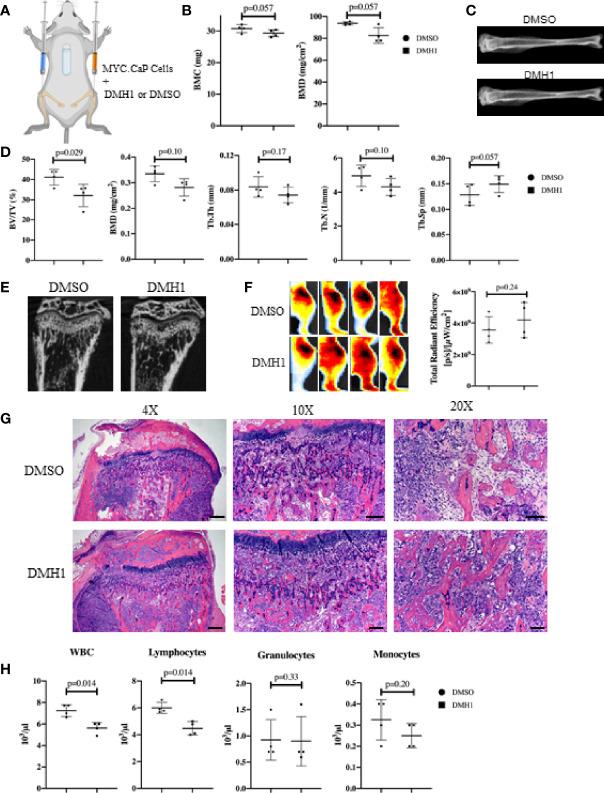
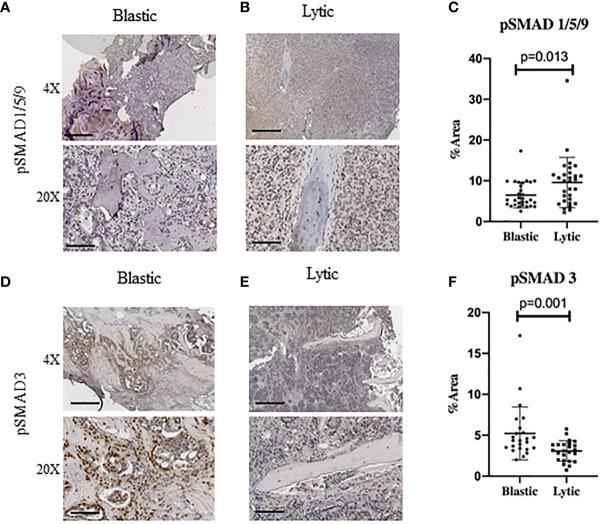
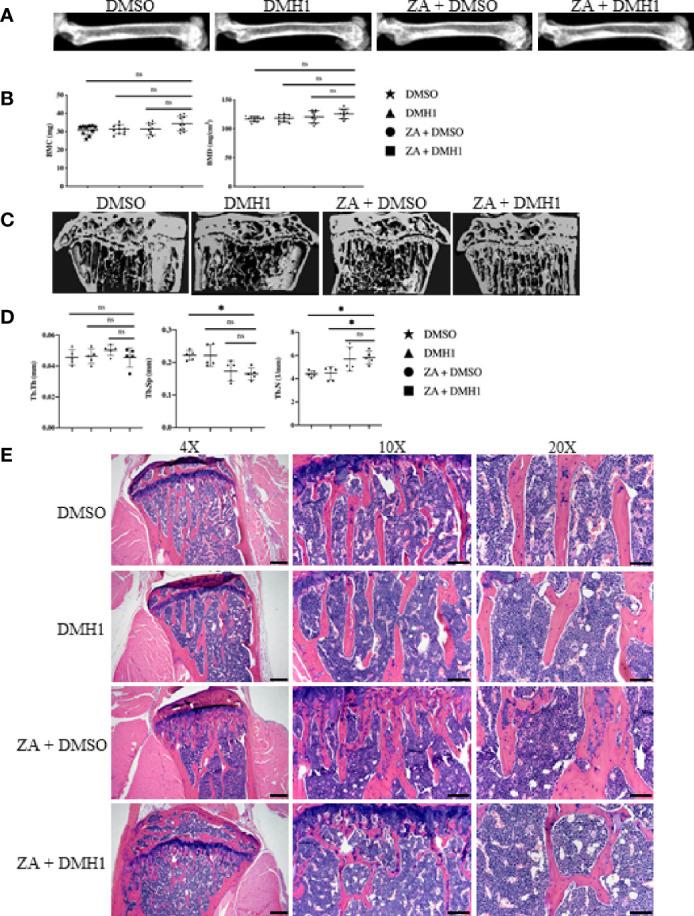
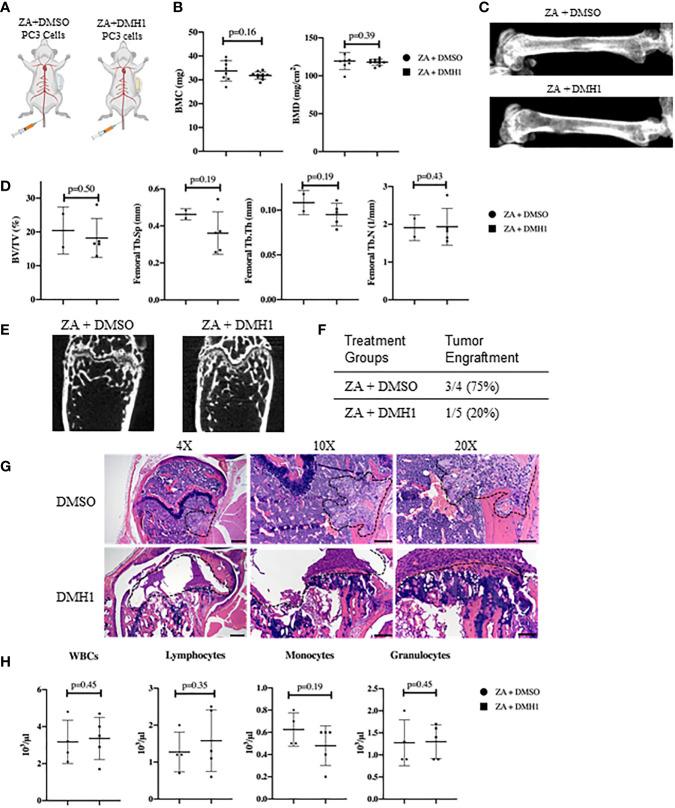
From the 33,000 men in the U.S. who die from prostate cancer each year, the majority of these patients exhibit metastatic disease with bone being the most common site of metastasis. Prostate cancer bone metastases are commonly blastic, exhibiting new growth of unhealthy sclerotic bone, which can cause painful skeletal related events. Patient's current care entails androgen deprivation therapy, anti-resorptive agents, radiation, and chemotherapy to help control the spread of the cancer but little intervention is available to treat blastic bone disease. The transforming growth factor beta (TGFβ) and bone morphogenetic protein (BMP) pathways are known to regulate bone growth and resorption of destructive lytic bone lesions, yet the role of TGFβ/BMP signaling in prostate cancer blastic vs lytic bone lesions are not fully understood. We hypothesized that to target the BMP/TGFβ pathway, a useful biomarker of bone lytic or blastic pathology would have superior response. We show distinct BMP vs. TGFβ signaling in clinical samples of human prostate cancer bone metastases with either lytic or blastic pathologies. BMPs exhibit distinct effects on bone homeostasis, so to examine the effect of BMP inhibition on healthy bone, we treated mice with the BMP receptor small molecule antagonist DMH1 and saw a modest temporary improvement in bone health, with increased trabecular bone. We next sought to use the BMP inhibitor DMH1 to treat bone metastasis engraftment seeded by a caudal artery injection of the lytic human prostate cell line PC3 in immunodeficient mice. The colonization by PC3 cells to the bone were restricted with DMH1 treatment and bone health was importantly preserved. We next proceeded to test BMP inhibition in an injury model of established bone metastasis intratibial injection of the MYC-CaP mouse prostate cell line into FVBN syngeneic mice. DMH1 treated mice had a modest decrease in trabecular bone and reduced lymphocytes in circulation without affecting tumor growth. Taken together we show unique responses to BMP inhibition in metastatic prostate cancer in the bone. These studies suggest that profiling bone lesions in metastatic prostate cancer can help identify therapeutic targets that not only treat the metastatic tumor but also address the need to better treat the distinct tumor induced bone disease.
每年,美国有 33000 名男性死于前列腺癌,其中大多数患者表现出转移性疾病,骨骼是最常见的转移部位。前列腺癌骨转移通常是成骨性的,表现为不健康的硬化骨的新生长,这可能导致骨骼相关的疼痛事件。患者目前的治疗方法包括雄激素剥夺疗法、抗吸收剂、放疗和化疗,以帮助控制癌症的扩散,但很少有干预措施可用于治疗成骨性骨病。转化生长因子β(TGFβ)和骨形态发生蛋白(BMP)途径已知可调节骨生长和破坏溶骨性骨病变的吸收,但 TGFβ/BMP 信号通路在前列腺癌成骨性与溶骨性骨病变中的作用尚未完全阐明。我们假设,针对 BMP/TGFβ 途径,一种有用的骨溶骨性或成骨性病变的生物标志物将具有更好的反应。我们在具有溶骨性或成骨性病变的人类前列腺癌骨转移的临床样本中显示出明显的 BMP 与 TGFβ 信号。BMPs 对骨稳态有明显的影响,因此为了研究 BMP 抑制对健康骨骼的影响,我们用 BMP 受体小分子拮抗剂 DMH1 治疗小鼠,观察到骨骼健康有适度的暂时改善,小梁骨增加。接下来,我们试图用 BMP 抑制剂 DMH1 治疗通过尾动脉注射溶骨性人前列腺细胞系 PC3 在免疫缺陷小鼠中种植的骨转移。PC3 细胞在 DMH1 治疗下向骨骼的定植受到限制,骨骼健康得到重要保护。接下来,我们在已建立的骨转移损伤模型中进行 BMP 抑制测试,将 MYC-CaP 小鼠前列腺细胞系注入 FVBN 同基因小鼠的胫骨内。用 DMH1 治疗的小鼠小梁骨略有减少,循环中的淋巴细胞减少,但不影响肿瘤生长。综上所述,我们在骨转移的前列腺癌中显示出对 BMP 抑制的独特反应。这些研究表明,对转移性前列腺癌的骨病变进行分析可以帮助确定治疗靶点,不仅可以治疗转移性肿瘤,还可以解决治疗独特的肿瘤诱导性骨病的需要。
 Zotero 插件