
葡萄渣多糖-多酚复合物的降血糖作用。
The Antidiabetic Effect of Grape Pomace Polysaccharide-Polyphenol Complexes.
机构信息
REQUIMTE-Laboratório Associado Para a Química Verde, Departamento de Química e Bioquímica, Faculdade de Ciências, Universidade do Porto, Rua do Campo Alegre 687, 4169-007 Porto, Portugal.
LAQV/REQUIMTE, REQUIMTE-Laboratório Associado Para a Química Verde, Departmento de Química, Universidade de Aveiro, Campus Universitário de Santiago, 3810-193 Aveiro, Portugal.
出版信息
Nutrients. 2021 Dec 15;13(12):4495. doi: 10.3390/nu13124495.
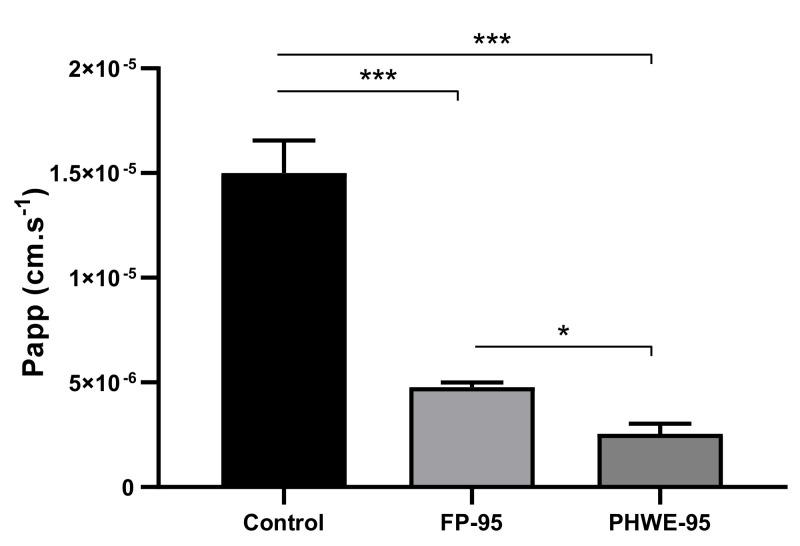
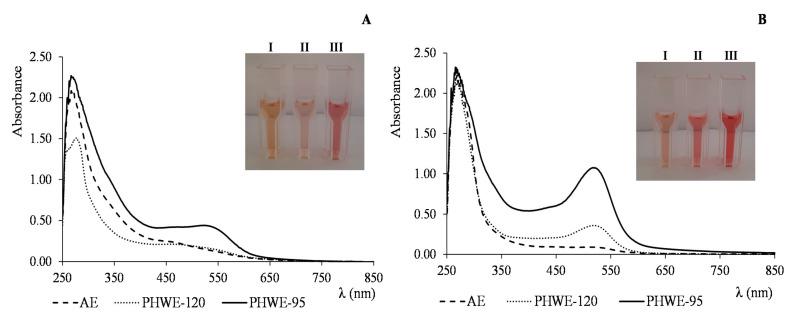
Type 2 diabetes mellitus (T2DM) is one of the most prevalent chronic metabolic diseases of the 21st century. Nevertheless, its prevalence might be attenuated by taking advantage of bioactive compounds commonly found in fruits and vegetables. This work is focused on the recovery of polyphenols and polysaccharide-polyphenol conjugates from grape pomace for T2DM management and prevention. Bioactives were extracted by solid-liquid extraction and by pressurized hot water extraction (PHWE). Polyphenolic fraction recovered by PHWE showed the highest value for total phenolic content (427 μg GAE.mg), mainly anthocyanins and proanthocyanidins, and higher antioxidant activity compared to the fraction recovered by solid-liquid extraction. Polysaccharide-polyphenol conjugates comprehended pectic polysaccharides to which approximately 108 μg GAE of phenolic compounds (per mg fraction) were estimated to be bound. Polyphenols and polysaccharide-polyphenol conjugates exhibited distinct antidiabetic effects, depending on the extraction methodologies employed. Extracts were particularly relevant in the inhibition of a-glucosidase activity, with free polyphenols showing an IC of 0.47 μg.mL while conjugates showed an IC of 2.7, 4.0 and 5.2 μg.mL (solid-liquid extraction, PHWE at 95 and 120 °C, respectively). Antiglycation effect was more pronounced for free polyphenols recovered by PHWE, while the attenuation of glucose uptake by Caco-2 monolayers was more efficient for conjugates obtained by PHWE. The antidiabetic effect of grape pomace bioactives opens new opportunities for the exploitation of these agri-food wastes in food nutrition, the next step towards reaching a circular economy in grape products.
2 型糖尿病(T2DM)是 21 世纪最常见的慢性代谢性疾病之一。然而,通过利用水果和蔬菜中常见的生物活性化合物,可以减轻其流行程度。这项工作专注于从葡萄渣中回收多酚和多糖-多酚缀合物,以用于 T2DM 的管理和预防。生物活性物质通过固液提取和加压热水提取(PHWE)提取。通过 PHWE 回收的多酚部分显示出最高的总酚含量值(427μgGAE.mg),主要是花色苷和原花青素,并且抗氧化活性高于通过固液提取回收的部分。多糖-多酚缀合物包括果胶多糖,估计约有 108μgGAE 的酚类化合物(每毫克部分)与之结合。多酚和多糖-多酚缀合物表现出不同的抗糖尿病作用,这取决于所采用的提取方法。提取物在抑制α-葡萄糖苷酶活性方面特别相关,游离多酚的 IC 为 0.47μg.mL,而缀合物的 IC 分别为 2.7、4.0 和 5.2μg.mL(固液提取,分别在 95 和 120°C 下进行 PHWE)。通过 PHWE 回收的游离多酚的抗糖化作用更为明显,而通过 PHWE 获得的缀合物对 Caco-2 单层细胞葡萄糖摄取的抑制作用更为有效。葡萄渣生物活性物质的抗糖尿病作用为利用这些农业食品废物在食品营养中的应用开辟了新的机会,朝着葡萄产品的循环经济迈出了下一步。
 Zotero 插件