
支气管肺泡灌洗液中纯化细胞类型的 DNA 甲基化谱:在混合细胞儿科肺部研究中的应用。
DNA Methylation Profiles of Purified Cell Types in Bronchoalveolar Lavage: Applications for Mixed Cell Paediatric Pulmonary Studies.
机构信息
Respiratory and Sleep Medicine, Royal Children's Hospital, Parkville, VIC, Australia.
Department of Paediatrics, University of Melbourne, Parkville, VIC, Australia.
出版信息
Front Immunol. 2021 Dec 22;12:788705. doi: 10.3389/fimmu.2021.788705. eCollection 2021.
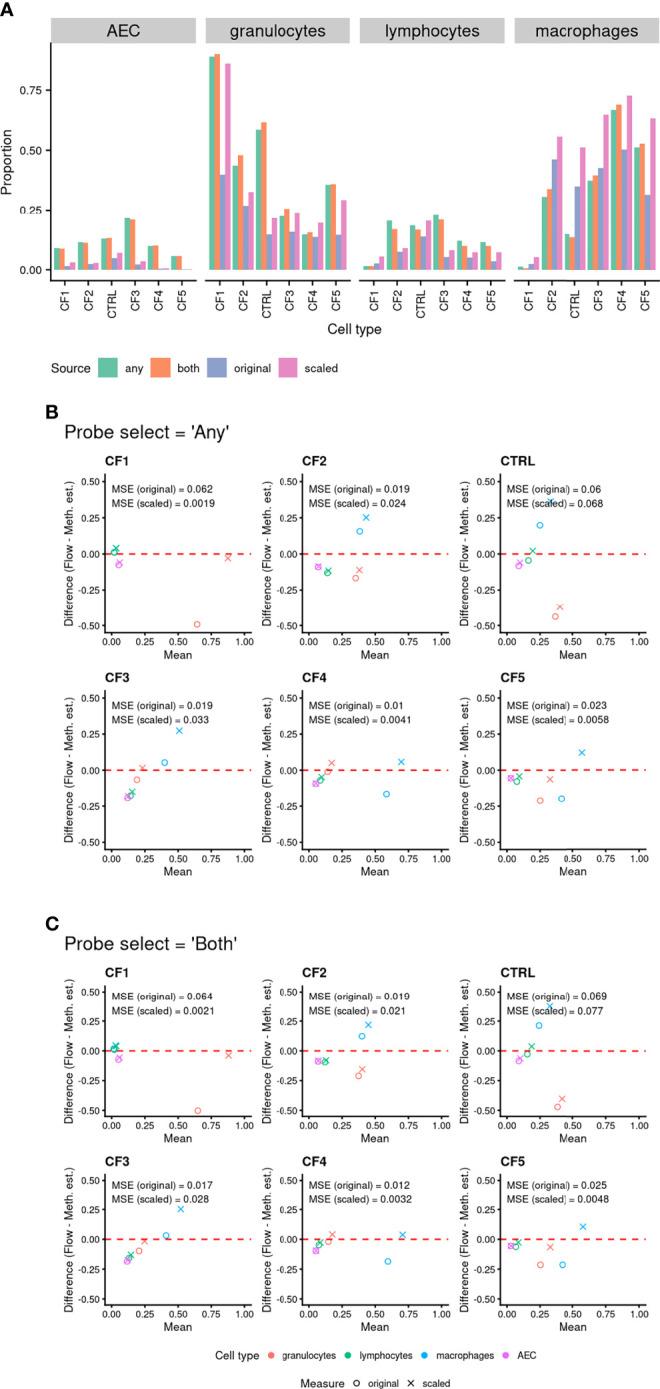
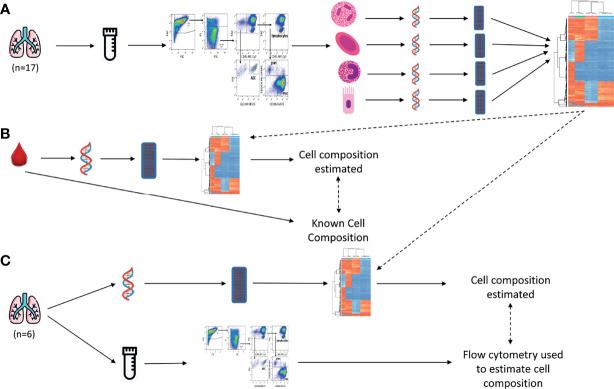
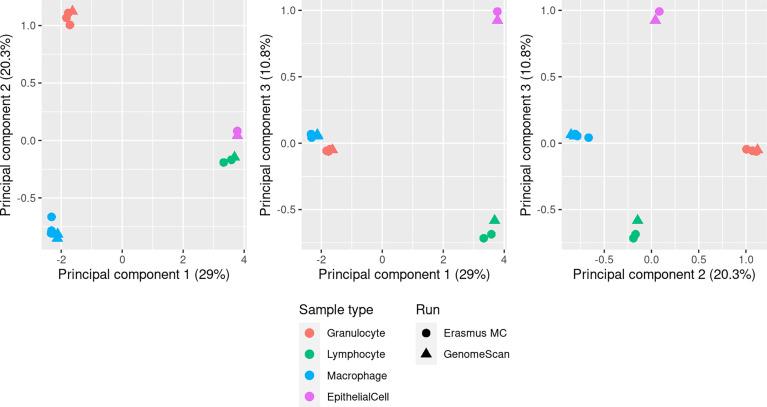
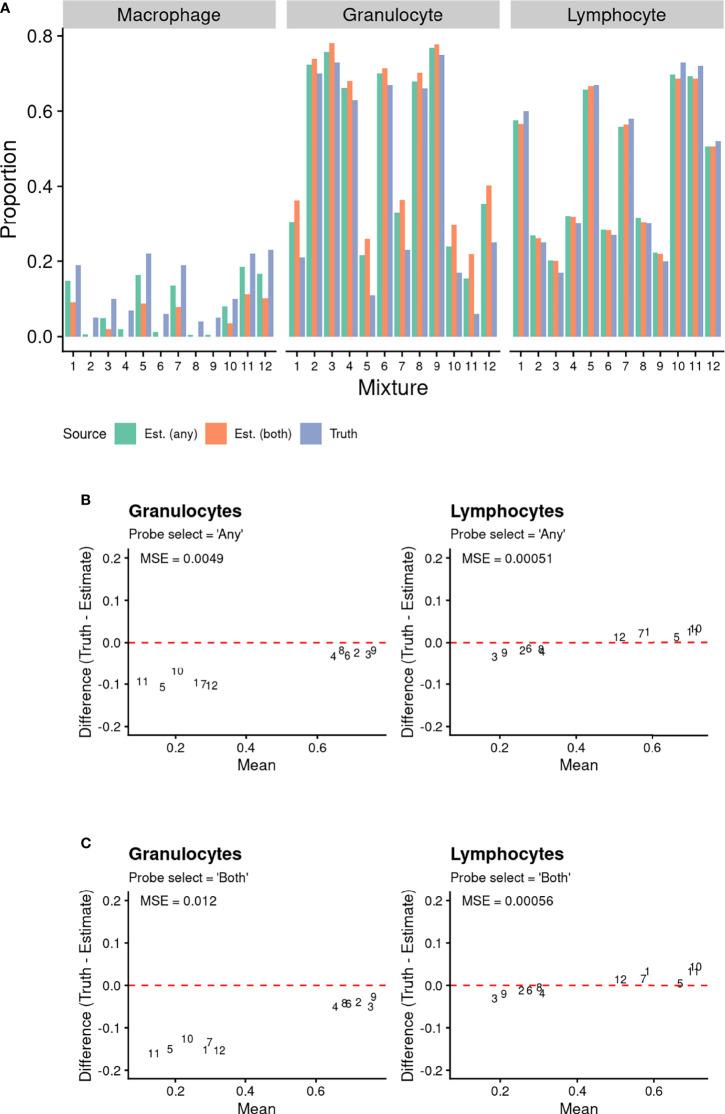
In epigenome-wide association studies analysing DNA methylation from samples containing multiple cell types, it is essential to adjust the analysis for cell type composition. One well established strategy for achieving this is reference-based cell type deconvolution, which relies on knowledge of the DNA methylation profiles of purified constituent cell types. These are then used to estimate the cell type proportions of each sample, which can then be incorporated to adjust the association analysis. Bronchoalveolar lavage is commonly used to sample the lung in clinical practice and contains a mixture of different cell types that can vary in proportion across samples, affecting the overall methylation profile. A current barrier to the use of bronchoalveolar lavage in DNA methylation-based research is the lack of reference DNA methylation profiles for each of the constituent cell types, thus making reference-based cell composition estimation difficult. Herein, we use bronchoalveolar lavage samples collected from children with cystic fibrosis to define DNA methylation profiles for the four most common and clinically relevant cell types: alveolar macrophages, granulocytes, lymphocytes and alveolar epithelial cells. We then demonstrate the use of these methylation profiles in conjunction with an established reference-based methylation deconvolution method to estimate the cell type composition of two different tissue types; a publicly available dataset derived from artificial blood-based cell mixtures and further bronchoalveolar lavage samples. The reference DNA methylation profiles developed in this work can be used for future reference-based cell type composition estimation of bronchoalveolar lavage. This will facilitate the use of this tissue in studies examining the role of DNA methylation in lung health and disease.
在分析包含多种细胞类型的样本中的 DNA 甲基化的全基因组关联研究中,调整细胞类型组成的分析至关重要。一种行之有效的策略是基于参考的细胞类型去卷积,该策略依赖于对纯化的组成细胞类型的 DNA 甲基化谱的了解。然后,这些细胞类型的 DNA 甲基化谱用于估计每个样本的细胞类型比例,然后可以将这些比例纳入调整关联分析。支气管肺泡灌洗通常用于临床实践中的肺部采样,其中包含不同的细胞类型混合物,这些细胞类型的比例在样本之间可能有所不同,从而影响整体甲基化谱。目前,支气管肺泡灌洗在基于 DNA 甲基化的研究中的应用存在一个障碍,即缺乏每个组成细胞类型的参考 DNA 甲基化谱,因此难以进行基于参考的细胞组成估计。在此,我们使用从囊性纤维化儿童中收集的支气管肺泡灌洗样本,为四种最常见和临床相关的细胞类型:肺泡巨噬细胞、粒细胞、淋巴细胞和肺泡上皮细胞定义 DNA 甲基化谱。然后,我们展示了如何将这些甲基化谱与一种已建立的基于参考的甲基化去卷积方法结合使用,以估计两种不同组织类型的细胞类型组成:一个来自人工血液细胞混合物的公开数据集和进一步的支气管肺泡灌洗样本。本研究中开发的参考 DNA 甲基化谱可用于未来支气管肺泡灌洗的基于参考的细胞类型组成估计。这将促进该组织在研究 DNA 甲基化在肺部健康和疾病中的作用的研究中的应用。

 Zotero 插件