
MDA-7/IL-24 作用机制的研究进展:一种普遍存在的抑癌蛋白。
Insights into the Mechanisms of Action of MDA-7/IL-24: A Ubiquitous Cancer-Suppressing Protein.
机构信息
Department of Human and Molecular Genetics, Virginia Commonwealth University, Richmond, VA 23218, USA.
VCU Institute of Molecular Medicine, Virginia Commonwealth University, Richmond, VA 23218, USA.
出版信息
Int J Mol Sci. 2021 Dec 22;23(1):72. doi: 10.3390/ijms23010072.
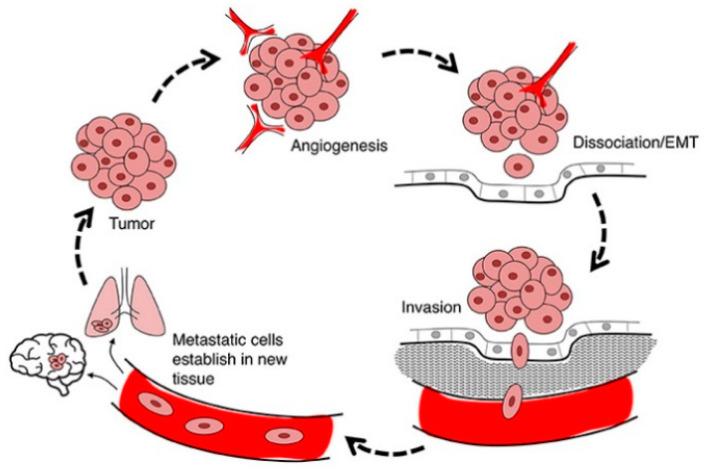
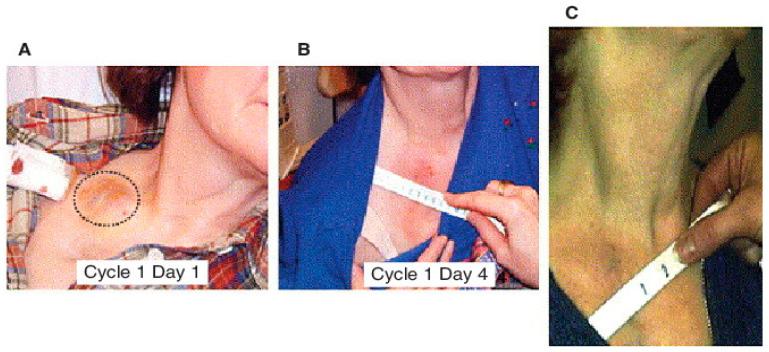
Melanoma differentiation associated gene-7/interleukin-24 (MDA-7/IL-24), a secreted protein of the IL-10 family, was first identified more than two decades ago as a novel gene differentially expressed in terminally differentiating human metastatic melanoma cells. MDA-7/IL-24 functions as a potent tumor suppressor exerting a diverse array of functions including the inhibition of tumor growth, invasion, angiogenesis, and metastasis, and induction of potent "bystander" antitumor activity and synergy with conventional cancer therapeutics. MDA-7/IL-24 induces cancer-specific cell death through apoptosis or toxic autophagy, which was initially established in vitro and in preclinical animal models in vivo and later in a Phase I clinical trial in patients with advanced cancers. This review summarizes the history and our current understanding of the molecular/biological mechanisms of MDA-7/IL-24 action rendering it a potent cancer suppressor.
黑色素瘤分化相关基因-7/白细胞介素-24(MDA-7/IL-24)是一种白细胞介素-10 家族的分泌蛋白,二十多年前首次被鉴定为在终末分化的人类转移性黑色素瘤细胞中差异表达的新型基因。MDA-7/IL-24 作为一种有效的肿瘤抑制因子发挥作用,具有多种功能,包括抑制肿瘤生长、侵袭、血管生成和转移,诱导有效的“旁观者”抗肿瘤活性,并与传统癌症治疗药物协同作用。MDA-7/IL-24 通过细胞凋亡或毒性自噬诱导癌症特异性细胞死亡,这在体外和体内临床前动物模型中最初得到证实,后来在晚期癌症患者的 I 期临床试验中也得到了证实。这篇综述总结了 MDA-7/IL-24 作用的分子/生物学机制的历史和我们目前的理解,使其成为一种有效的癌症抑制因子。


 Zotero 插件